White Putty vs White Cement: Which Should You Use on Walls?


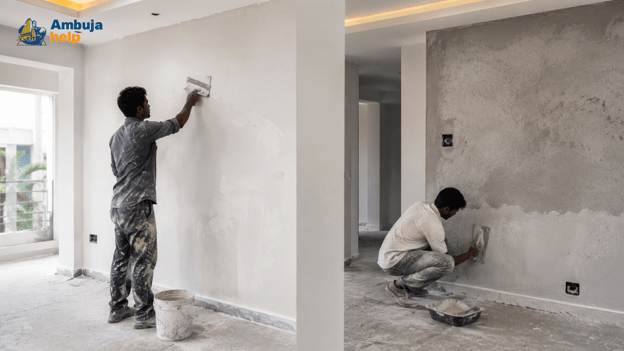
Table of Content
When preparing the walls for painting during a full construction or renovation, choosing the right surface preparation material is just as important as selecting the paint itself. Two materials that often lead to confusion for homeowners are white cement and wall putty.
While both have nearly the same role, they serve very different purposes and cannot always be used interchangeably. And understanding the difference between these materials can help you achieve smoother walls, better paint adhesion, and a longer-lasting finish.
Understanding White Cement and Wall Putty
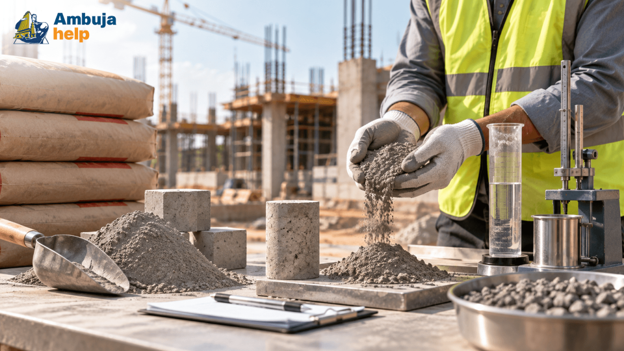
At first glance, both materials appear similar because of their white colour and application during wall finishing. However, their composition and purpose are quite different. White cement is a specially manufactured cement made from raw materials with very low iron and manganese content. This gives it its distinctive white colour. It is commonly used for surface repairs, decorative applications, crack filling, and levelling uneven surfaces.
White Wall putty, on the other hand, is a finishing material applied before painting. It helps smooth out minor imperfections, pinholes, and hairline cracks to create an even surface for paint application.
Key Differences Between White Cement and Wall Putty
The easiest way to understand the debate between wall putty and cement is by comparing their functions.
| Feature | White Cement | Wall Putty |
|---|---|---|
| Primary Purpose | Repairs and levelling | Surface smoothening |
| Application Stage | Initial preparation | Before primer and paint |
| Surface Finish | Basic finish | Smooth finish |
| Strength | Adds structural support | Enhances paint performance |
| Ideal Use | Crack filling and repairs | Final wall preparation |
| Ease of Sanding | Limited | Easy |
When Should You Use White Cement?
There are situations where white cement becomes the preferred choice because of its strength and bonding properties.
1. Repairing Cracks and Damages
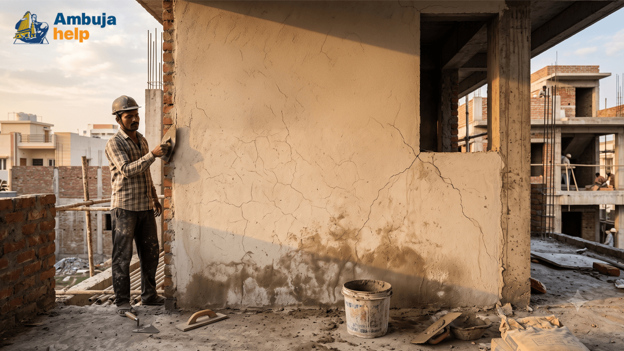
Deep cracks, chipped corners, and damaged wall sections require a strong repair material. White cement helps restore the surface and creates a stable base for further finishing.
2. Levelling Uneven Walls
If the wall surface has noticeable damage or cracks, white cement can be used to level and strengthen the area before finishing treatments are applied.
3. Damp-Prone Areas
Walls exposed to moisture often require stronger base treatments. White cement provides better resistance and durability in such situations.
4. Decorative Applications
Many decorative architectural finishes and textured surfaces use white cement because of its bright colour and binding strength. However, even after repairs are complete, an additional finishing layer is usually needed to achieve a paint-ready surface.
What Is the Role of Wall Putty?
Wall putty is primarily used to create a smooth and uniform finish before painting. A good-quality wall putty preparation has many benefits:
- Smooth Surface: Wall putty fills small pores, dents, and imperfections that may otherwise become visible after painting.
- Better Paint Adhesion: Paint bonds more effectively to a properly prepared surface, reducing issues such as peeling and flaking.
- Improved Paint Life: A well-prepared putty wall helps paint retain its appearance for longer periods while reducing maintenance requirements.
- Enhanced Appearance: Wall putty contributes greatly to achieving a professional-looking finish with consistent colour and texture.
Which One Comes First?
Many homeowners wonder whether they should choose wall putty or cement. The answer is that both are often used together. The recommended sequence is:
| Step | Material |
|---|---|
| 1 | Surface Repair |
| 2 | White Cement Application |
| 3 | Wall Putty |
| 4 | Primer |
| 5 | Paint |
This process ensures that walls are repaired, levelled, smoothened, and fully prepared for painting.
White Cement vs Wall Putty: Which Is Better?
Rather than asking which material is better, it is more useful to understand where each performs best.
Choose White Cement When:
- Repairing deep cracks
- Filling damaged areas
- Levelling uneven walls
- Strengthening surfaces before finishing
Choose Wall Putty When:
- Preparing walls for painting
- Achieving a smooth finish
- Improving paint adhesion
- Enhancing paint durability
In projects, such as renovations, the best results come from using both materials at the right stages.
The Importance of Quality Construction Materials
Long-lasting wall finishes require more than just a good paint job. The strength of the wall underneath plays an equally important role. Quality construction materials and proper plastering help create a stable and durable surface. Trusted by builders and homeowners alike, Ambuja Cement delivers reliable quality that contributes to stronger structures and improved building performance.
Understanding the Relationship Between Cement and Finishing Materials
Many people mistakenly assume that white cement and wall putty have the same function. In reality, they complement each other. While white cement provides strength, bonding, and repair capabilities, wall putty focuses on surface smoothness and paint readiness.
Together, they help create walls that are:
- Strong
- Smooth
- Crack-resistant
- Visually appealing
- Long-lasting
This combination is particularly important for homeowners who want durable interiors and high-quality paint finishes.
Common Mistakes to Avoid
When preparing walls, avoid these common errors:
| Mistake | Impact |
|---|---|
| Using putty to repair deep cracks | Weak repairs |
| Skipping the wall putty before painting | Uneven paint finish |
| Applying paint directly on rough surfaces | Poor adhesion |
| Ignoring proper curing and preparation | Reduced durability |
Careful preparation ensures better results and reduces maintenance costs over time.
Conclusion
Choosing between white cement and wall putty is actually very simple. Just remember that both materials play an important role in creating strong, smooth, and attractive walls. White cement is ideal for repairs, levelling, and strengthening surfaces, while wall putty prepares the wall for a flawless paint finish.
For the best results, use each material where it performs best and follow the correct application sequence. Combined with proper construction practices and quality materials from trusted brands like Ambuja Cement, this approach can help create walls that not only look beautiful but also stand the test of time.
Frequently Asked Questions
Q1. Is white cement the same as wall putty?
No, white cement and wall putty serve different purposes. White cement is often used for repairs and levelling, while putty creates a smooth surface before painting.
Q2. When should white cement be used on walls?
White cement is commonly used for patching cracks, repairs, and surface levelling. It helps create a stronger base before finishing layers are applied.
Q3. Why is wall putty applied before painting?
Wall putty smoothens the surface, improves paint adhesion, and helps create a more uniform finish. This contributes to better appearance and paint durability.
Q4. Which should be applied first, white cement or putty?
White cement is generally used first for repairs and levelling, followed by putty, primer, and paint for a smooth and durable finish.
Q5. How does Ambuja support strong wall construction?
Ambuja provides premium-quality cement products that help create durable walls and reliable plastering surfaces, supporting better finishing results and long-term structural performance.