Waterproof Cement vs Regular Cement: Key Differences


Table of Content
Water is a common cause of construction problems, leading to damp walls, stained ceilings, and seepage through slabs and foundations. Over time, moisture can affect both the appearance and durability of a building.
This is why homeowners often compare waterproof cement with regular cement to understand which option better suits their construction and moisture-protection needs.
What Is Waterproof Cement?
Waterproof cement is specially formulated to provide water-repellent properties within the cement system. Unlike a separate surface coating, its water-resistance characteristics are built into the material itself.
Ambuja Kawach, for example, is a specially formulated cement with water-repellent properties. Its special performance-enhancing components are designed to help resist water seepage and make it suitable for applications including foundations, slabs, and walls.
Regular cement, on the other hand, is primarily selected according to strength, workability, durability, and application requirements. It can be used effectively in many construction applications, but for waterproofing needs, you may require it where moisture exposure is high.
Waterproof Cement vs Regular Cement: Key Differences
The difference is easier to understand when the two are compared across important characteristics.
| Factor | Waterproof cement | Regular cement |
|---|---|---|
| Water resistance | Formulated with water-repellent properties | Depends more on mix, concrete quality, and additional protection |
| Typical use | Moisture-prone applications | General construction applications |
| Additional waterproofing | May complement waterproofing systems | Often considered where project conditions require it |
| Selection basis | Project exposure and required performance | Strength, durability, workability and application |
| Maintenance | Can support moisture protection | Depends strongly on construction and protection methods |
Why Does Water Resistance Matter?
Water can enter concrete through pores, cracks, joints, or poorly detailed areas. Continued moisture exposure may contribute to dampness, staining, corrosion of reinforcement, or deterioration over time.
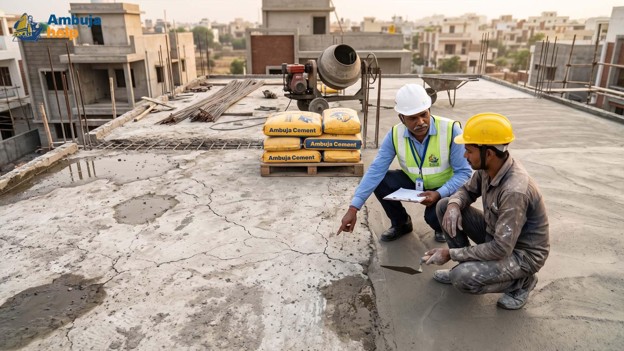
For roofs, foundations, external walls, bathrooms, and other exposed areas, moisture control deserves attention. Choosing a waterproof Cement that works for roofs and other areas can be considered when its characteristics match project requirements.
However, cement is not a standalone waterproofing solution. Proper slope, drainage, crack control, curing, and waterproofing details remain essential.
Where Can Waterproof Cement Be Useful?
Common areas that may require additional attention to water resistance include:
- Roof slabs and terraces
- Foundations and basements
- External and internal walls
- Bathrooms and wet areas
- Water-retaining structures
- Slabs exposed to moisture
For roof construction, roof waterproofing works best as a complete system. The right cement, good-quality concrete, proper surface preparation, effective drainage, well-sealed joints, and suitable waterproofing treatments should all work together to provide better protection against moisture and seepage.
Choosing Between the Two
Before selecting cement, consider:
- What part of the building is being constructed?
- How much moisture will the structure face?
- Does the project specification require water-repellent properties?
- What waterproofing system will be used?
- What does the structural engineer recommend?
- Is the cement being stored properly?
Ambuja Kawach for Moisture-Resistant Construction
Ambuja Kawach is a specially formulated cement with water-repellent properties, designed to help resist water seepage in construction. Its performance-enhancing components make it suitable for applications such as foundations, slabs, and walls where moisture resistance is an important consideration.
For roof construction, Ambuja Kawach can be considered when the project requires additional resistance to water seepage. However, cement is only one part of a roof protection system. Proper mix design, placement, compaction, curing, drainage, joints, and suitable waterproofing practices are also essential for long-term performance.
When selecting waterproofing cement for a roof and other areas, consider the design, weather conditions, and specific project requirements to determine whether Ambuja Kawach is the right fit.
Key Practices for Better Moisture Protection
Good material selection works best with disciplined construction. Keep these points in mind:
- Control the water-cement ratio and avoid unnecessary water addition.
- Use properly graded and suitable aggregates.
- Compact concrete correctly without excessive vibration.
- Cure concrete adequately.
- Maintain proper roof slopes and clear drainage outlets.
- Seal joints and construction details appropriately.
- Inspect and repair cracks before they become larger problems.
Final Thoughts
Choosing the right cement depends on your project, moisture exposure, and construction requirements. Ambuja Kawach can be considered for applications where resistance to water seepage is important, alongside proper waterproofing, drainage, curing, and workmanship.
Looking for suitable solutions for your project? Explore Ambuja Kawach and other Ambuja construction solutions on our official website to find products that match your building needs.
Frequently Asked Questions
Q1. What is the difference between waterproof and regular cement?
Water-repellent cement is specially formulated to help resist water seepage, while regular cement may require additional waterproofing measures depending on the application and exposure conditions.
Q2. What is Ambuja Kawach designed for?
Ambuja Kawach is specially formulated with water-repellent properties designed to help resist water seepage in applications including foundations, slabs, and walls.
Q3. Can Ambuja Kawach be considered for roof construction?
Yes, Ambuja Kawach can be considered for roof slabs where resistance to water seepage is required, provided it matches the project's design and technical specifications.
Q4. Does using Ambuja Kawach eliminate the need for waterproofing?
No. Cement is only one part of moisture protection. Proper drainage, waterproofing, mix design, curing, joints, compaction, and workmanship remain important for roof performance.
Q5. How should I choose cement for moisture-prone construction?
Consider moisture exposure, application, product characteristics, and professional guidance. Ambuja Kawach can be evaluated where its water-repellent properties match the project's specific requirements.