Top Factors That Determine Cement Quality


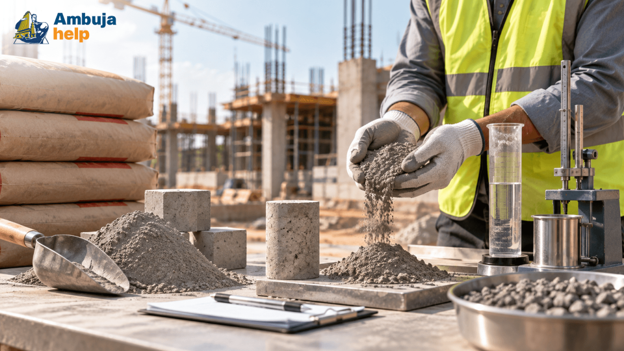
Table of Content
When you’re building a home, cement may seem like just another item on your construction checklist. But cement is one of the major factor that decides a building's strength, durability, and overall performance in the future. So, how can you actually know that you’re selecting the best cement in India for the project?
It starts with knowing what to look for. From its composition and strength to its freshness, storage conditions, and compliance with applicable standards. Let’s take a closer look at these factors to help you make a more informed choice for your construction needs.
What Determines Cement Quality?
Cement quality is not decided by one factor alone. Its performance depends on its composition, manufacturing process, physical properties, storage conditions, and suitability for the intended application.
Here are the key factors worth checking before making a purchase:
| Quality factor | Why it matters |
|---|---|
| Cement type | Different types are designed for different construction requirements |
| Strength | Determines the cement's contribution to concrete and mortar strength |
| Fineness | Influences mixing, hydration, and strength development |
| Setting time | Affects handling and construction workability |
| Soundness | Helps indicate dimensional stability after setting |
| Freshness | Older or poorly stored cement may lose performance |
| Standards | Helps verify that the product meets applicable requirements |
1. Type of Cement
Different construction projects demand different cement quality. Ordinary Portland Cement (OPC) is commonly used for general construction, while Portland Pozzolana Cement contains pozzolanic materials and is widely used in various building applications. The choice should depend on the structural requirements, exposure conditions, construction method, and professional recommendations.
For example, PPC can be a good choice for projects where durability is important. Other types of cement may be better suited to specific construction needs. So, the right cement depends on the requirements of your project.
2. Strength Development
Strength is one of the most important things to consider when selecting cement. However, choosing cement simply because it has a higher strength is not always the right approach. The exact needed strength depends on the concrete mix, structural design, curing, aggregates, water-cement ratio, and construction practices. That’s why a good quality cement should be selected as per the exact requirements specified by the engineer or applicable standards.
Choosing cement from a trusted manufacturer such as Ambuja Cement can be a good starting point when looking for quality options. However, the final choice should depend on the specific requirements of your construction project.
3. Fineness of Cement
Fineness refers to the particle size of cement. It affects how quickly cement reacts with water and can influence hydration and strength development. Very fine cement can have a greater surface area for reaction.
While the overall performance still depends on the cement's complete composition and other properties. This is one reason laboratory testing and compliance with applicable standards are more useful indicators than appearance alone.
4. Setting Time and Workability
Setting time determines how long cement remains workable after water is added. This matters because workers need enough time to mix, place, compact, and finish cement-based materials properly. Cement that sets too quickly can make certain construction activities difficult, while excessive setting time can slow project progress.
5. Chemical Composition and Durability
Cement contains several compounds that influence variables such as strength development, setting, and durability. The chemical composition also matters when construction takes place in areas where materials may be exposed to harsh conditions. If your project is in an area with harsh weather or chemical exposure, the cement you choose may need to offer suitable resistance. That’s why it is important to consider the site conditions along with the type and properties of the cement.
6. Freshness and Proper Storage
Even good-quality cement can be affected by poor storage. Cement should be protected from moisture because exposure to humidity can cause lumps and affect its performance. When purchasing, check the manufacturing or packing date and avoid unnecessarily storing large quantities for long periods.
If you buy cement online, check the seller's credibility, product details, delivery conditions, and packaging before placing an order. The same checks are useful when purchasing from a physical supplier.
7. Quality Standards and Testing
Quality standards provide an important benchmark for cement performance. Before buying, check the product packaging for relevant certification and standard information applicable to the product.
If you’re looking for the best cement in India, don’t rely only on advertisements or general recommendations. Instead, check factors such as quality, applicable standards, product suitability, and consistency to find cement that meets your project’s specific needs.
Choosing Cement for Different Applications
Your construction requirement should guide your selection.
| Construction requirement | What to consider |
|---|---|
| Residential construction | Suitable cement type and required strength |
| Foundations | Soil and environmental conditions |
| Concrete work | Structural design and specified concrete grade |
| Plastering | Workability and application requirements |
| Water-exposed areas | Durability and exposure conditions |
What Should You Check Before Buying?
Before you buy cement online or from a local supplier, take a few minutes to check:
- Product type and intended application.
- Relevant quality and certification details.
- Manufacturing or packing date.
- Packaging condition and signs of moisture exposure.
- Recommended storage conditions.
- Supplier credibility and documentation.
If you are comparing options while searching for the best cement in India, these checks can help you make a more informed decision instead of choosing purely on price.
Final Thoughts
Good cement selection begins with understanding what your construction actually needs. Ambuja Cement has, for decades, been selected as a primary source for premium construction products with assured quality. However, even within our premium range, it’s important to carefully select what the project exactly needs while making sure that the material is handled properly.
Frequently Asked Questions
Q1. What factors determine cement quality?
Cement quality depends on factors such as type, strength, fineness, setting time, soundness, freshness, storage, composition, and applicable standards. The right choice should match the project’s specific construction requirements.
Q2. How can I choose the best cement in India?
When searching for the best cement in India, compare product quality, applicable standards, freshness, suitability, and consistency. Consider trusted manufacturers such as Ambuja Cement based on your project requirements.
Q3. Why is cement freshness important for construction?
Fresh cement is important because prolonged exposure to moisture can cause lumps and affect performance. Check the manufacturing or packing date, packaging condition, and storage practices before purchasing cement.
Q4. Can I buy cement online safely?
Yes, you can buy cement online, but check the seller’s credibility, product details, packaging, delivery conditions, and applicable quality information. Always ensure the cement suits your construction requirements before purchasing.
Q5. Is Ambuja Cement suitable for all construction projects?
Ambuja Cement offers cement products for various construction applications. However, the right product depends on project requirements, structural design, site conditions, applicable standards, and professional recommendations. Always select accordingly.