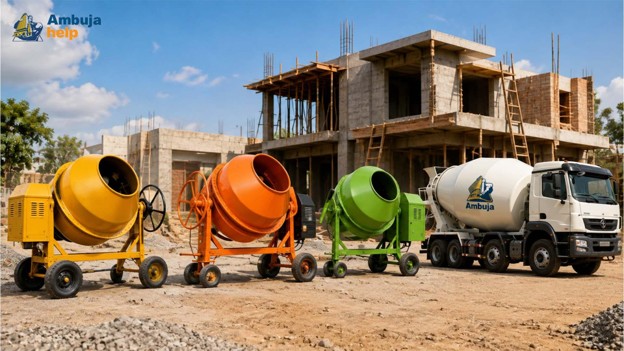
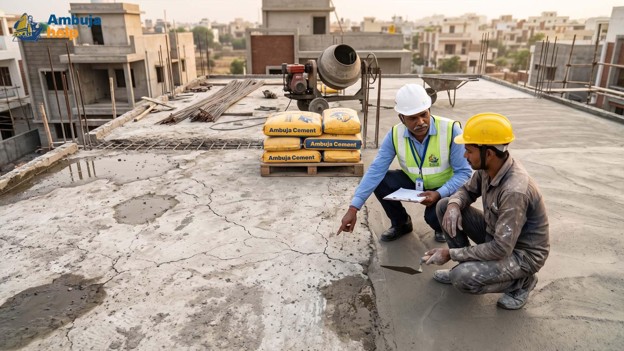
Easy Ways To Apply Portland Pozzolana Cement for Smart Construction


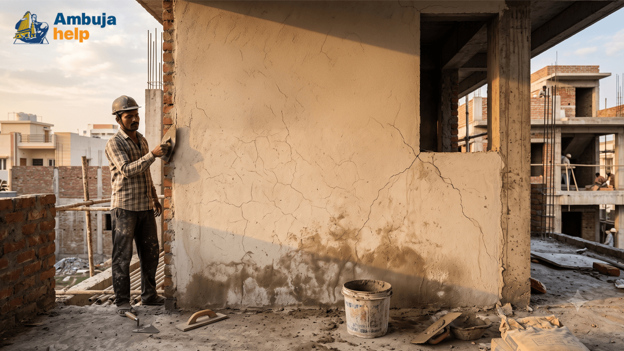
Table of Content
A strong home starts with the right cement and the right construction practices. Portland Pozzolana Cement offers good durability, workability, and resistance to environmental stress, making it suitable for many construction needs.
To get the most from it, store and mix it correctly, use the right amount of water, and follow proper curing practices. For moisture-prone areas, choose a suitable water-repellent cement based on your project’s needs.
Understand Where PPC Fits Into Construction
Before using PPC, it helps to understand where it can add the most value. Its properties make it adaptable for both everyday construction and projects that need long-term durability.
- Concrete work: PPC can be used for structural concrete where durability and consistent performance are important.
- Plastering: Its good workability makes it suitable for plastering and finishing applications.
- Large projects: Its lower heat of hydration can be useful in mass concreting, where excessive heat may contribute to cracking.
- Weather-exposed structures: Its resistance to moisture and environmental stress makes it useful for structures exposed to changing conditions.
The exact application should always follow the cement manufacturer's recommendations and the requirements of the project.
1. Store Cement Properly Before Use
Even good cement can lose its effectiveness when it is exposed to moisture before application. Proper storage is therefore one of the easiest ways to protect material quality.
- Keep bags dry: Store cement in a covered, moisture-free area away from rain and damp floors.
- Use raised platforms: Keep bags above the ground to prevent moisture from reaching them.
- Follow first-in, first-out: Use older bags before newer ones to avoid prolonged storage.
- Check the bags: Avoid using cement that has become damp or contains hardened lumps.
Good storage helps ensure that the cement reaches the mixing stage in suitable condition.
2. Get the Mix Right
The quality of a finished structure depends not only on the cement but also on how the mix is prepared. Adding too much water may make concrete easier to handle, but it can affect its final performance.
- Measure materials carefully: Maintain consistency in cement, aggregates, and water.
- Avoid excess water: Use only the amount required to achieve the desired workability.
- Mix uniformly: Ensure that cement and other ingredients are distributed evenly.
- Follow the approved mix design: Structural concrete should be prepared according to project specifications rather than guesswork.
A consistent mix makes construction more predictable and helps reduce avoidable material wastage.
3. Pay Attention to Water Management
Water plays an important role in cement-based construction, but uncontrolled water can create problems later. Proper curing and protection are essential for achieving a durable finish.
| Construction stage | Smart practice |
|---|---|
| Mixing | Use the required quantity of clean water |
| Placing | Avoid unnecessary delays after mixing |
| Finishing | Do not add excess water to improve surface workability |
| Curing | Maintain adequate moisture as recommended |
| Protection | Prevent premature drying and exposure to harsh conditions |
For areas where moisture resistance is particularly important, selecting a suitable water-repellent cement can complement proper construction practices. However, cement selection should always be based on the specific application and technical requirements.
4. Focus on Proper Curing
Curing is often overlooked because it happens after the main construction activity is complete. In reality, it is an important step in helping cement-based materials develop their intended strength and durability.
- Start at the right time: Begin curing as recommended for the particular application.
- Maintain moisture: Prevent concrete and plastered surfaces from drying out too quickly.
- Be consistent: Irregular curing can affect the quality of the finished work.
- Give the material time: Do not rush subsequent work before the required curing period is complete.
5. Match Cement Selection With the Project
Not every construction need is identical. A home in a dry environment may have different needs from a structure exposed to heavy rainfall, coastal conditions, or significant temperature changes.
Consider these factors before selecting cement:
- Type of work: Concrete, plastering, and mass concreting may have different requirements.
- Environmental exposure: Moisture, weather changes, and chemical exposure should be considered.
- Expected durability: Long-term performance should be part of the material selection process.
- Project specifications: Structural requirements should guide the final choice.
Ambuja Buildcem is a high-strength, high-performance PPC designed to be adaptable and consistent across a wide range of construction projects, including heavy-duty infrastructure. Its resistance to harsh weather conditions also supports lower maintenance and a long-lasting finish.
6. Reduce Waste Through Better Planning
Smart construction is not simply about using more material. It is about using the right quantity in the right way. Better planning can reduce waste while keeping the work organised.
- Estimate quantities carefully: Calculate material requirements before placing orders.
- Protect unused cement: Store remaining bags correctly rather than leaving them exposed.
- Coordinate deliveries: Avoid keeping excessive quantities at the construction site.
- Monitor usage: Compare actual consumption with planned quantities throughout the project.
Why the Right Application Matters
The benefits of PPC are best achieved when product selection, mixing, placement, curing, and storage are handled properly. A quality cement can support a durable structure, but workmanship remains equally important.
For homeowners and builders, working with a reliable manufacturer can make material selection easier. Ambuja Cement is a premium source of quality cement raw materials, with products such as Ambuja Buildcem combining strength, durability, and an approach focused on more sustainable construction.
Conclusion
Smart construction is ultimately about making small decisions correctly at every stage. Portland Pozzolana Cement can support durable, workable and environmentally conscious construction when it is stored, mixed, placed and cured properly. Choosing the right material for the application matters just as much as following good site practices.
For those evaluating a top Indian cement source, Ambuja Cement offers quality-focused cement solutions, including Buildcem, designed for consistent performance across varied construction requirements.