Top Causes of Roof Leakage and How the Right Cement Prevents Them


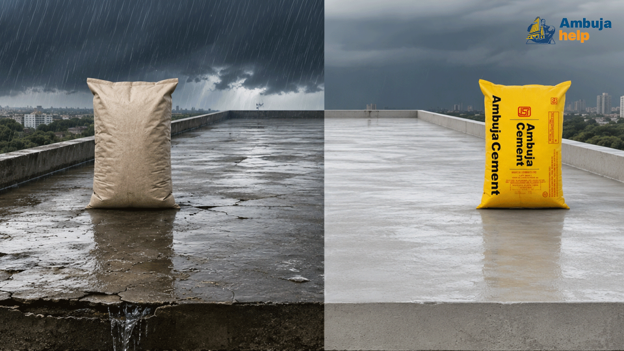
Table of Content
A roof is your home's first line of defence against rain, heat, and changing weather. But even a small leak can lead to damp ceilings, peeling paint, mold growth, and costly repairs if ignored. The good news is that many roof leakage problems can be prevented with the right construction practices and quality materials from the very beginning.
This is where top-quality cement comes in. Choosing the right roofing cement and following proper construction methods can go a long way in protecting your home from water damage. In this guide, we'll look at the common causes of roof leakage and how selecting quality cement can help build a stronger, more durable roof.
Why Does Roof Leakage Happen?
Roofs are constantly exposed to rain, sunlight, wind, and temperature changes. Over time, these conditions can create weak spots that allow water to seep inside. Some of the most common signs of roof leakage include:
- Damp patches on ceilings
- Peeling paint
- Water stains
- Mould and mildew
- Dripping water during rainfall
Identifying the cause early can help prevent extensive structural damage.
Common Causes of Roof Leakage
Understanding why roofs leak is the first step towards preventing future problems.
| Cause | How It Affects the Roof |
|---|---|
| Roof cracks | Allow rainwater to seep into the concrete |
| Poor roof slope | Causes water to collect instead of draining away |
| Damaged flashing | Creates gaps around chimneys, pipes, and joints |
| Broken roof tiles | Leaves openings for water to enter |
| Poor maintenance | Blocked gutters lead to water accumulation |
| Excess moisture | Causes dampness from inside the building |
| Corrosion | Weakens metal components over time |
| Ageing | Natural wear reduces waterproof performance |
Many of these problems develop gradually, making regular inspection an important part of home maintenance.
How the Right Cement Helps Prevent Roof Leakage
During construction, the quality of cement plays a crucial role in preventing future roof leakage. High-quality roofing cement produces denser, stronger concrete with lower water absorption, reducing the chances of moisture seeping into the structure over time. While other waterproofing treatments add an extra layer of protection, choosing the right roofing cement from the start creates a solid foundation for long-lasting durability, improved structural strength, and effective waterproof performance.
Practical Ways to Prevent Roof Leakage
Good construction combined with routine maintenance offers the best protection against water damage.
1. Use Quality Cement During Construction
The roof slab forms the foundation for making a home waterproof. For a component so important, it’s a given that only the best cement for roof construction can help in producing durable concrete that would ensure improved resistance to water seepage, thus removing any chances for leaks in the future.
2. Ensure Proper Waterproofing
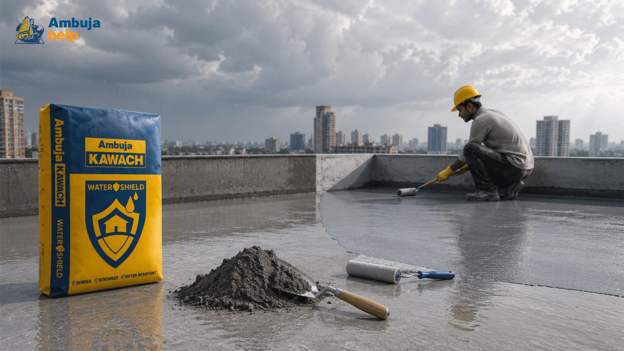
Adding a waterproof coating is an effective way to protect roofs from rainwater and moisture. Choosing the right waterproofing method according to the roof type and weather conditions helps improve durability and prevent leaks.
3. Maintain Proper Roof Drainage
Water should never remain standing on the roof. Ensure that:
- Roof slopes are adequate.
- Drain outlets remain clear.
- Gutters are cleaned regularly.
- Rainwater flows away quickly.
Proper drainage significantly reduces the risk of seepage.
4. Repair Cracks Early
Small cracks often become larger if left untreated. Inspect your roof after heavy rainfall and repair visible cracks before water begins entering the concrete.
5. Install Roofing Components Correctly
Proper installation of flashing, tiles, joints, and roof penetrations helps prevent water from entering vulnerable areas around chimneys, skylights, and plumbing pipes.
Best Practices for a Leak-Free Roof
Following these simple practices can improve your roof's long-term performance.
| Best Practice | Benefit |
|---|---|
| Use quality cement | Builds stronger, denser concrete |
| Apply waterproofing | Adds protection against moisture |
| Maintain roof drainage | Prevents water accumulation |
| Inspect after the monsoon | Identifies damage early |
| Repair cracks promptly | Stops leaks before they worsen |
| Clean gutters regularly | Ensures proper water flow |
Taking preventive action is always easier and less expensive than major repairs.
Choosing Quality Construction Materials
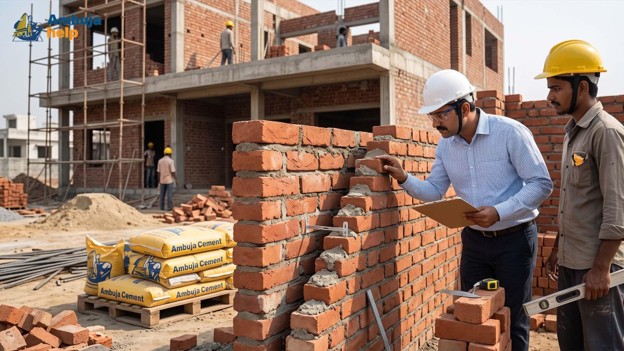
The quality of your roof depends on the materials used during construction as much as the waterproofing applied later. Premium-quality cement from trusted brands like Ambuja helps build denser and stronger concrete.
Ambuja Plus Cement, made with Special Performance Enhancer (SPE) technology, improves strength and reduces water seepage. Combined with proper construction and skilled workmanship, it helps create a durable roof that lasts for years.
Importance of Proper Construction Practices
Even the highest-quality cement performs best when combined with good construction methods. Some essential practices include:
- Proper concrete mixing
- Correct water-cement ratio
- Adequate curing
- Skilled workmanship
- Quality aggregates and reinforcement
- Timely waterproofing
These factors work together to improve the durability and water resistance of the finished roof.
Conclusion
Roof leak is a common issue, but the right choices during construction can help prevent them. Using high-quality roofing cement, ensuring proper drainage, and inspecting your roof regularly can significantly improve its durability and reduce the risk of water seepage.
Ambuja Plus Cement, made using Special Performance Enhancer (SPE) technology, helps create denser, stronger concrete with better moisture resistance. When combined with good construction practices, it provides long-lasting protection and keeps your home safe through every season.
Choose Ambuja Plus Cement to build a stronger, more durable roof that stands the test of time. Explore the range today and give your home the protection it deserves.
Frequently Asked Questions
Q1. What is the most common cause of roof leakage?
Cracks, poor drainage, damaged flashing, broken tiles, and inadequate waterproofing are among the most common causes.
Q2. Why is Ambuja Plus Cement suitable for roof construction?
Ambuja Plus Cement helps produce dense concrete with improved resistance to water seepage, supporting long-lasting roof structures. Best for roof construction.
Q3. How often should roofs be inspected?
It is recommended to inspect roofs before and after the monsoon, and after heavy storms, to detect early signs of damage.
Q4. Can quality cement reduce roof maintenance?
Using quality cement during construction improves concrete durability, which may help reduce future repair requirements.
Q5. Besides cement, what else helps prevent roof leakage?
Proper waterproofing, adequate roof slope, good drainage, regular cleaning, and timely repairs all help prevent leakage.