Why Is It Important To Use Waterproof Cement During Construction


Table of Content
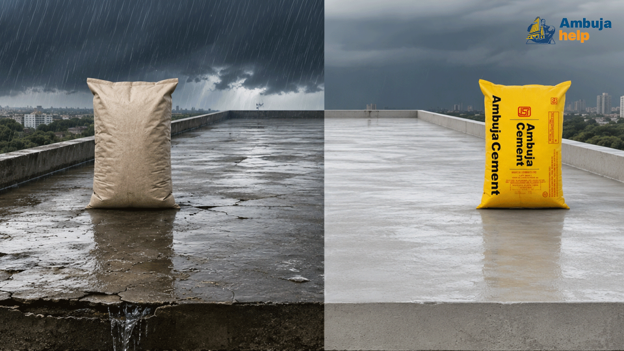
Building a home is a major investment, and everyone wants it to stay strong and durable for years. However, one of the biggest threats to any home is water. Rain, humidity, and moisture can slowly seep into walls, roofs, and foundations, resulting in damp patches, cracks, mould, and even damage to the structure’s steel frame over time.
The best way to prevent seepage starts long before painting your walls. Choosing water-resistant cement from trusted brands like Ambuja Cement and following proper waterproofing practices helps protect the home from moisture.
Here's everything you need to know about waterproof cement and its benefits.
Why Does Waterproofing Matter?
Concrete naturally has tiny pores that allow water to pass through over time. And if moisture seeps through them repeatedly, it weakens the structure and leads to several problems, including:
- Damp walls and ceilings
- Water seepage
- Peeling paint
- Growth of mould and mildew
- Corrosion of steel reinforcement
- Cracks in concrete
What Is Waterproof Cement?
Although the term "waterproof cement" is commonly used, no cement is completely waterproof on its own. Instead, specially formulated cement and waterproofing additives help increase the water resistance by producing denser concrete with better binding.
When combined with proper construction practices and waterproofing systems, these materials help protect the foundations, walls, slabs, and roofs from moisture damage.
Common Waterproofing Methods Used During Construction
Different parts of a building may require different waterproofing solutions depending on their exposure to water.
| Waterproofing Method | Common Applications | Main Benefit |
|---|---|---|
| Cementitious Waterproofing | Bathrooms, kitchens, water tanks | Easy application and durable protection |
| Liquid Waterproofing Membrane | Roofs, terraces, balconies | Flexible waterproof layer |
| Bituminous Coating | Foundations and underground structures | Excellent moisture resistance |
| Bituminous Membrane | Flat roofs and terraces | Long-lasting waterproof barrier |
| Crystalline Admixtures | Concrete structures | Blocks water by sealing pores |
| Waterproofing Admixtures | Concrete during mixing | Improves water resistance throughout the structure |
Selecting the appropriate method depends on the construction area and site conditions.
Benefits of Using Waterproof Cement During Construction
Adding waterproofing measures during construction offers several long-term advantages.
1. Improves Structural Durability
Water is one of the main causes of gradual decay for any building. Reducing water penetration helps concrete maintain its strength for a much longer period.
2. Reduces Future Repair Costs
Repairing seepage, dampness, and cracked walls after construction is a very expensive process. Which is why planning for waterproofing early can minimize these maintenance costs.
Tip: Use Ambuja’s construction cost calculator to get an accurate estimate of the construction material needed for the whole project, along with the quality and the overall cost for water-resistant products from our offerings.
3. Protects Steel Reinforcement
Water entering concrete eventually reaches the steel reinforcement inside. Once corrosion begins, the concrete may crack and lose strength. Waterproofing helps reduce this risk by limiting moisture penetration.
.4 Prevents Dampness and Seepage
Damp walls affect both the appearance and comfort of a home. Proper waterproofing helps prevent:
- Water seepage
- Damp patches
- Paint peeling
- Mould growth
- Unpleasant odours
This creates a healthier and more comfortable indoor environment.
5. Extends the Life of the Building
Buildings protected from moisture generally need fewer repairs and remain structurally sound for longer. Good waterproofing supports long-term durability while helping homeowners avoid unexpected maintenance expenses.
Choosing Quality Materials Makes a Difference
Waterproofing is not achieved by coatings alone. It begins with selecting quality construction materials that contribute to dense, durable concrete.
Ambuja Cement is recognised as a manufacturer of premium-quality cement using carefully selected raw materials and advanced manufacturing processes. With each of our products, products are designed to support different construction projects while helping improve the overall performance of concrete.
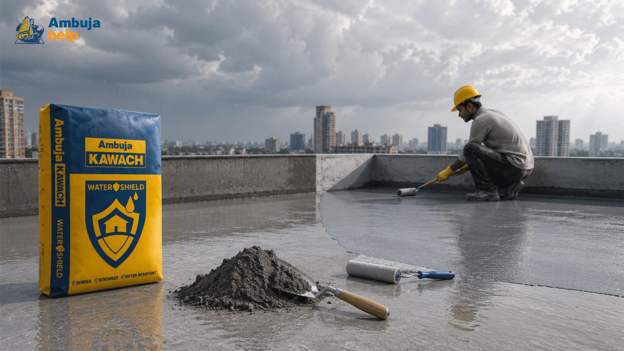
For projects where improved water resistance is important, products such as Ambuja Kawach are formulated with Special Performance Enhancer (SPE) technology to provide enhanced water-repellent properties. These characteristics support construction across foundations, walls, and roof slabs while helping reduce the impact of water seepage over time.
Tips for Better Waterproof Construction
Following a few simple practices can significantly improve waterproofing performance.
| Best Practice | Why It Matters |
|---|---|
| Use quality cement | Supports stronger and denser concrete |
| Select suitable waterproofing methods | Protects different parts of the building |
| Follow proper curing practices | Improves concrete strength and durability |
| Repair cracks before waterproofing | Prevents water entry points |
| Buy materials from authorised suppliers | Ensures product quality and consistency |
Paying attention to these details during construction can improve both the quality and lifespan of the building.
Conclusion
Water damage is one of the most common reasons buildings develop structural problems over time. That is why taking preventive measures during construction is far more effective than dealing with repairs after seepage and dampness appear.
Using quality cement, following proper waterproofing practices, and selecting suitable construction materials all contribute to a stronger, more durable home. Ambuja Cement is recognised for producing premium-quality cement that supports reliable construction through consistent quality and carefully selected raw materials.
Combined with appropriate waterproofing solutions, these materials help homeowners build structures that remain strong, safe, and protected against moisture for years to come.
Frequently Asked Questions
Q1. Why should waterproofing start during construction?
Waterproofing during construction helps prevent seepage, dampness, and expensive repairs after the building is completed.
Q2. How does Ambuja Kawach help protect homes?
Ambuja Kawach offers water-repellent properties that help reduce water seepage in foundations, walls, and roof slabs.
Q3. Can waterproof cement alone prevent leaks?
No. Proper waterproofing systems, drainage, and quality workmanship are also essential for long-term protection.
Q4. What are the signs of poor waterproofing?
Damp walls, mould, peeling paint, water stains, and seepage are common signs that waterproofing may be inadequate.
Q5. Why is waterproofing considered a long-term investment?
It helps protect the structure from moisture damage, reducing maintenance costs and improving the building's lifespan.