Ambuja Cement Price Per Bag Today: How Pricing Works and What Affects It


Table of Content
Whenever there is a construction project to start, one of the first things that is taken into account is the overall cost of construction materials. Among them, cement is one of the most important components, and its prices can have a direct impact on the overall project budget. However, many homeowners are often surprised to see fluctuations in the cement bag prices, even when there are no major changes in raw material costs.
So, what causes these price differences? The answer lies in a combination of factors that go far beyond the raw materials used to manufacture cement. Understanding these factors can help you plan your construction budget more effectively and make informed purchasing decisions.
What Goes Into Making Cement?
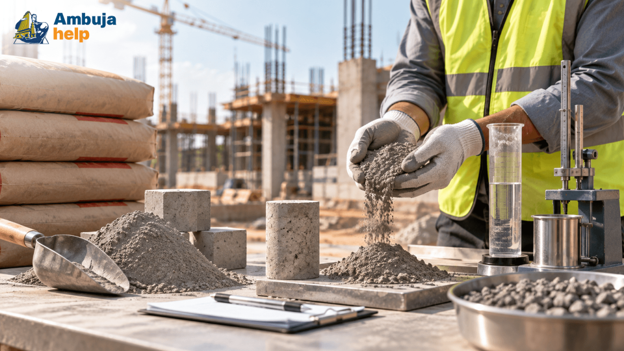
Cement is not a single material but a carefully engineered product made using several raw materials. Each ingredient contributes to the strength, durability, and performance of the final product. The key ingredients include:
| Raw Material | Purpose |
|---|---|
| Limestone | Provides the primary source of strength |
| Clay | Supplies silica and alumina |
| Gypsum | Controls the setting time |
| Fly Ash | Improves durability and workability |
| Clinker | The main binding component produced during manufacturing |
These materials undergo intensive processing, including high-temperature kiln operations and grinding, before becoming the cement used on construction sites. However, raw materials are only one part of the total price.
Why Does Cement Pricing Change?
Even when the cost of limestone or clay remains stable, the cement prices, along with Ambuja Cement’s price per bag, may still fluctuate due to several external factors.
1. Energy and Fuel Costs
Cement manufacturing requires a significant amount of energy. Large kilns operate at extremely high temperatures, while grinding units consume substantial amounts of electricity. Coupled with the following factors, together affect the production cost:
- Coal prices
- Petcoke prices
- Electricity tariffs
- Global energy market trends
Since energy forms a major portion of manufacturing expenses, any increase in fuel costs can influence the final market price.
2. Transportation and Logistics
Cement is a heavy product, making transportation a major contributor to overall costs. Transportation expenses depend on:
- Fuel prices
- Distance between manufacturing plants and markets
- Availability of road and rail networks
- Local delivery costs
This is one reason why the cement price today may vary from one city to another, even for the same brand and product.
3. Seasonal Demand
The construction industry experiences periods of high and low demand throughout the year.
| Season | Impact on Demand |
|---|---|
| Post-Monsoon | High demand |
| Summer Construction Peak | Increased demand |
| Monsoon Period | Lower demand |
| Festive Slowdowns | Moderate demand |
When more homes, commercial buildings, and infrastructure projects are being built together during the peak season, cement demand rises. And higher demand means higher pricing. This directly translates to indicate that the cement bag price is directly affected by the market conditions and construction activity levels.
4. Government Regulations and Policies
Government policies also play an important role in cement pricing. Changes in the following areas can affect production costs:
- Mining regulations
- Environmental compliance requirements
- Taxation policies
- Transportation regulations
Manufacturers often need to invest in proper measures to keep the construction project compliant with government mandates, which further contributes to pricing adjustments over time.
5. Product Type and Quality Standards
Not all cement products are the same. Different varieties are designed for different construction requirements. Some commonly used options include:
| Cement Type | Typical Application |
|---|---|
| OPC (Ordinary Portland Cement) | Structural construction |
| PPC (Portland Pozzolana Cement) | Residential construction and plastering |
| Specialty Cement | Specific engineering applications |
Premium-quality products often undergo stricter quality control processes and offer improved performance characteristics. This is one reason why the Ambuja Cement prices may differ between product variants and locations.
Understanding Ambuja Cement Products
Ambuja Cement has built a strong reputation among homebuilders for providing consistent quality and reliable performance. Two widely used variants include:
Ordinary Portland Cement (OPC)
OPC is known for:
- High early strength
- Excellent load-bearing capacity
- Suitability for structural applications
Portland Pozzolana Cement (PPC)
PPC offers:
- Improved workability
- Enhanced durability
- Better finishing quality for plastering applications
These products continue to be preferred by homeowners seeking dependable construction materials.
Ambuja Plus: Advanced PPC Technology
Among Ambuja’s offerings, Ambuja Plus stands out due to its advanced formulation. Developed using Special Performance Enhancer (SPE) technology, Ambuja Plus is designed to extract silicate gel present in cement, helping improve its overall performance.
Key Benefits of Ambuja Plus
| Feature | Benefit |
|---|---|
| Enhanced Strength | Stronger structures |
| Increased Density | More compact concrete |
| Leak Resistance | Improved protection against seepage |
| Better Durability | Long-lasting performance |
For homeowners looking beyond the initial cement bag price, products with enhanced durability can offer better long-term value by reducing maintenance requirements.
Local Market Conditions Matter
Another factor influencing pricing is local market competition. Prices can vary based on:
- Number of local suppliers
- Dealer margins
- Regional demand
- Bulk purchase discounts
This explains why the cement price today can differ across locations, even within the same state.
How Homeowners Can Plan Better
Instead of focusing solely on short-term price fluctuations, homeowners can take a more strategic approach.
Practical Tips
- Purchase materials in phases based on project progress.
- Compare prices from multiple suppliers.
- Avoid unnecessary stockpiling.
- Focus on product quality and suitability.
- Consider long-term durability rather than only upfront costs.
A durable structure often provides greater value than short-term savings on materials.
Why Quality Should Always Come First
When evaluating the prices of Ambuja Cement’s variants, it is important to consider what you are getting in return. High-quality cement contributes to:
- Better structural strength
- Improved durability
- Reduced maintenance expenses
- Enhanced resistance to environmental conditions
Ambuja Cement is trusted by homeowners across India because of its commitment to quality, performance, and reliability. Its products are manufactured using premium cement raw materials that support strong and long-lasting construction.
Conclusion
The Ambuja Cement per bag price is influenced by several factors, including the cost of production and transportation, seasonal demand, government regulations, and market conditions. While raw material prices play a role, they are only one part of the larger picture.
Understanding these factors helps homeowners make smarter construction decisions and plan their budgets more effectively. Rather than focusing solely on short-term price changes, it is often more beneficial to choose materials that offer lasting strength, durability, and performance. With trusted products like Ambuja Cement and innovative solutions such as Ambuja Plus, homeowners can invest in construction materials that help create homes built to stand strong for generations.
Frequently Asked Questions
Q1. What factors influence cement prices?
Cement prices are influenced by fuel costs, transportation, market demand, manufacturing expenses, and government regulations. These factors can impact pricing even when raw material costs remain stable.
Q2. Why does cement pricing vary between locations?
Transportation costs, local demand, dealer margins, and supply availability often affect regional pricing. As a result, cement prices can differ across cities and states.
Q3. Does product quality affect cement pricing?
Yes, products with higher quality standards and consistent performance may have different pricing. Many homeowners consider long-term durability when evaluating construction material costs.
Q4. Should homeowners focus only on the cement price?
While cost matters, overall quality and performance are equally important. Choosing reliable cement can help reduce future maintenance and repair expenses.
Q5. How does Ambuja provide value to homebuilders?
Ambuja Cement combines consistent quality, strength, and reliability. This helps homeowners achieve durable construction and long-term value throughout the life of their homes.