What Is Efflorescence (shora) On Cement Walls? Causes, Prevention, and How To Remove White Stains Permanently


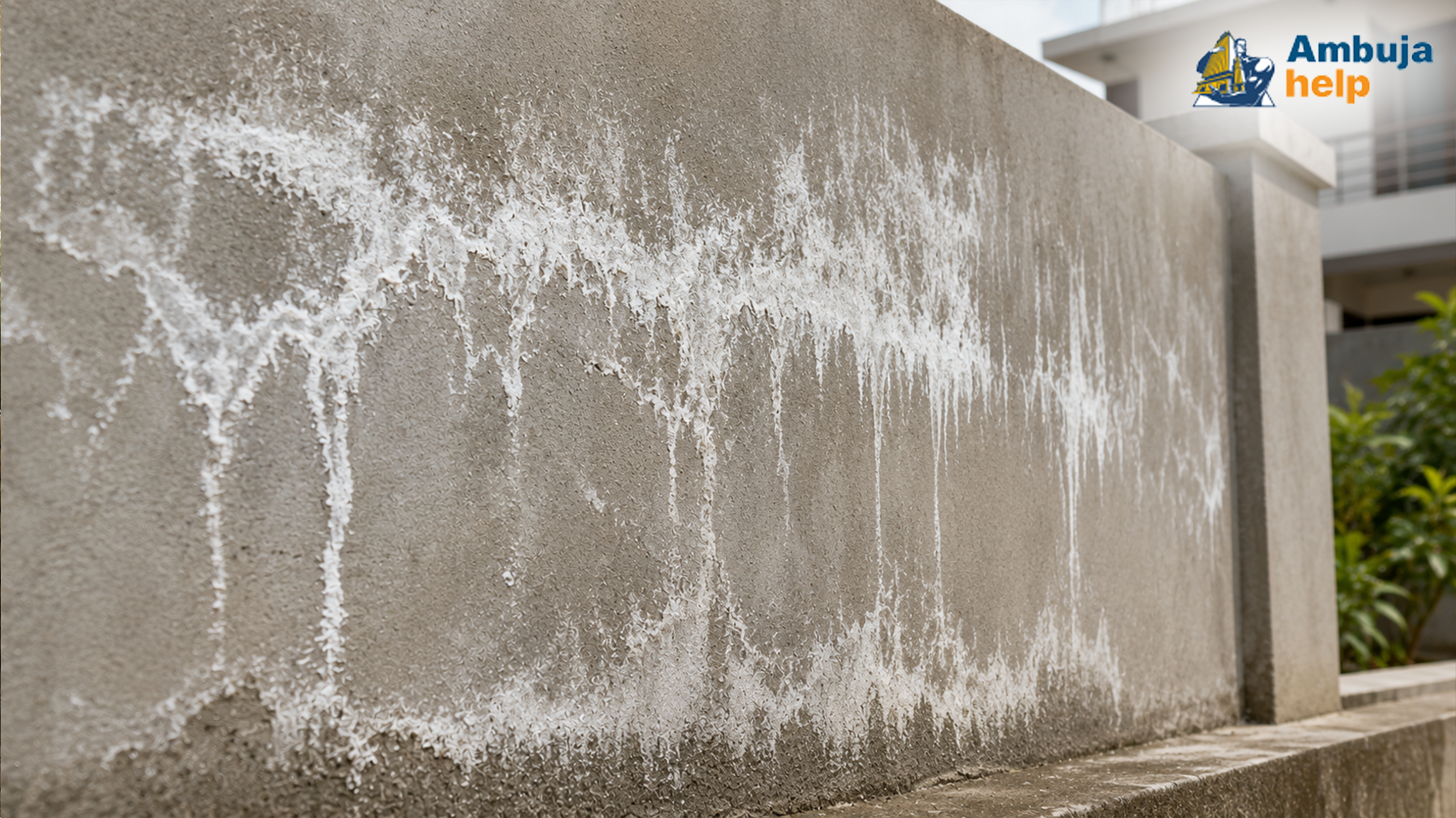
Table of Content
Ever noticed a chalky white powder appearing on your walls, especially after the monsoon or in damp corners? That stubborn residue, often called shora, is a sign that moisture is moving through your walls and bringing salts to the surface. Understanding efflorescence on walls is the first step toward fixing it permanently and not just hiding it.
What Is Efflorescence?
Efflorescence is the white, powdery deposit that forms on surfaces like cement, brick, plaster, or concrete. It occurs when water seeps into these materials, dissolves naturally present salts, and then carries them to the surface. When the water evaporates, it leaves behind visible salt deposits.
Why it happens:
- Cement and bricks naturally contain soluble salts
- Water acts as a carrier, dissolving these salts
- Evaporation brings salts to the surface, forming deposits
These salt deposits on walls are not harmful structurally at first, but they signal underlying moisture problems that should not be ignored.
Common Causes of Efflorescence in Cement Walls
Efflorescence is always linked to moisture. However, the source of that moisture can vary.
Key causes:
- Moisture Movement Through Walls: Water travels through porous materials like brick and plaster, carrying salts along
- Poor Waterproofing: Inadequate sealing of external walls or foundations allows water to enter easily
- Low-Quality Materials: Sand or cement with higher salt content increases the chances of efflorescence
- Improper Curing Practices: Rapid drying or uneven curing can trap moisture inside walls
- High Humidity and Rainfall: Common in many parts of India, these conditions increase moisture absorption
- Drainage Issues: Water accumulation around the building base can seep into the walls over time
Where Does Efflorescence Commonly Appear?
Efflorescence can show up almost anywhere moisture finds a way in. However, some areas are more prone than others.
Common locations:
| Area | Why It Occurs There |
|---|---|
| Exterior walls | Direct exposure to rain and humidity |
| Interior damp walls | Poor ventilation and trapped moisture |
| Brick facades | Porous material absorbs and releases salts |
| Painted surfaces | Moisture enters through cracks |
| Basements and bathrooms | High humidity and water exposure |
Spotting it early in these areas can prevent long-term damage.
Why Efflorescence Should Not Be Ignored
At first, efflorescence may seem like just a surface issue. But over time, it can lead to bigger problems.
Potential risks:
- Paint peeling and surface damage
- Weakening of plaster layers
- Moisture reaching reinforcement, causing corrosion
- Increased maintenance costs over time
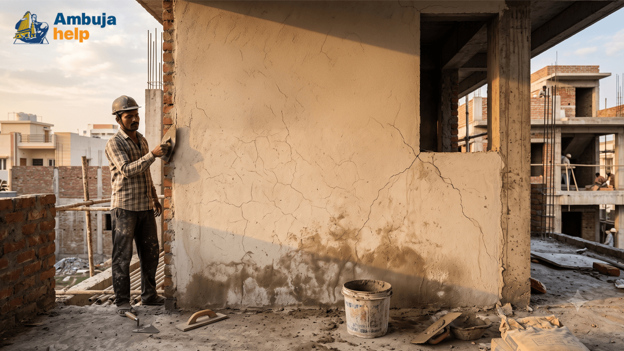
So while white stains on walls and cement may look harmless, they often indicate deeper moisture issues that need attention.
How to Remove Efflorescence from Walls
The good news is that efflorescence can be removed with simple methods. However, removing it without addressing the cause will only provide temporary results.
Effective efflorescence removal methods:
- Dry Brushing: Use a stiff brush to remove loose powder from the surface
- Mild Acid Cleaning: Apply a diluted vinegar solution (1:1 with water) to dissolve stubborn deposits
- Rinse Thoroughly: Wash the surface with clean water to remove residue
- Allow Proper Drying: Let the wall dry completely before assessing results
- Repeat if Needed: Stubborn cases may require multiple cleaning cycles
Important precautions:
- Avoid sealing or painting over active efflorescence
- Do not use harsh chemicals that may damage surfaces
- Always fix the moisture source first
Preventing Efflorescence Permanently
Prevention is always better than repeated cleaning. The key lies in controlling moisture and improving construction practices.
Long-term prevention strategies:
- Proper Waterproofing: Use waterproof coatings on external walls and foundations
- Good Drainage Systems: Ensure water flows away from the building
- Use Quality Materials: Low-salt cement and clean sand reduce risk
- Adequate Ventilation: Helps control indoor humidity levels
- Correct Curing Practices: Prevents excess moisture retention during construction
- Seal Cracks Early: Stops moisture from entering through small openings
Causes and Solutions At A Quick Glance
| Problem Cause | Suggested Solution |
|---|---|
| Moisture ingress | Waterproofing and drainage improvement |
| Poor materials | Use quality cement and sand |
| High humidity | Improve ventilation |
| Surface salt deposits | Cleaning and sealing after drying |
| Cracks in walls | Repair and seal early |
Role of Quality Cement in Preventing Efflorescence
The type and quality of cement used play a crucial role in reducing the risk of efflorescence. High-quality cement with a controlled composition and lower permeability helps minimise moisture movement within walls, preventing salt deposits from reaching the surface.
Ambuja Cement stands out as a trusted choice in this regard, offering durable, high-performance, and cost-effective premium cement solutions. When used with proper construction practices, it helps create stronger, more moisture-resistant structures that are better protected against issues like efflorescence.
Final Thoughts
Efflorescence is a common issue, but it should never be overlooked, as it clearly indicates unwanted moisture within your walls. These white, powdery deposits form when water carries salts to the surface. While cleaning can remove the visible stains, it only addresses the symptom, not the root cause.
The real solution lies in controlling moisture through proper construction practices and waterproofing. By understanding what causes efflorescence on walls and acting early, you can prevent recurring damage and maintain walls that remain clean, strong, and durable over time.
Frequently Asked Questions
Q1. What is the best cement in India for home building?
The best cement ensures strength, durability, and moisture resistance. Trusted brands like Ambuja Cement offer consistent quality and blended options that help build long-lasting, reliable, and crack-resistant home structures.
Q2. Can good cement help prevent efflorescence on walls?
Yes, high-quality cement reduces permeability and limits moisture movement. Ambuja Cement’s controlled composition helps minimise salt deposits, improving resistance to efflorescence and ensuring more durable, moisture-protected walls.
Q3. Why is cement quality important for dampness issues?
Cement quality directly affects water resistance and durability. Ambuja Cement helps reduce moisture seepage, lowering the chances of dampness, salt deposits, and long-term wall damage in residential construction.
Q4. Does premium cement reduce maintenance caused by white stains?
Premium cement improves durability and minimises moisture-related issues. Ambuja Cement helps reduce recurring efflorescence and surface damage, lowering maintenance costs and keeping walls cleaner and stronger over time.
Q5. How does brand selection impact long-term wall performance?
Choosing a reliable brand like Ambuja Cement ensures consistent composition and better performance, helping walls resist moisture, cracks, and salt deposits while maintaining structural integrity and appearance for years.