Construction Tips For Coastal Homes: Handling Humidity, Salt Air, And Corrosion


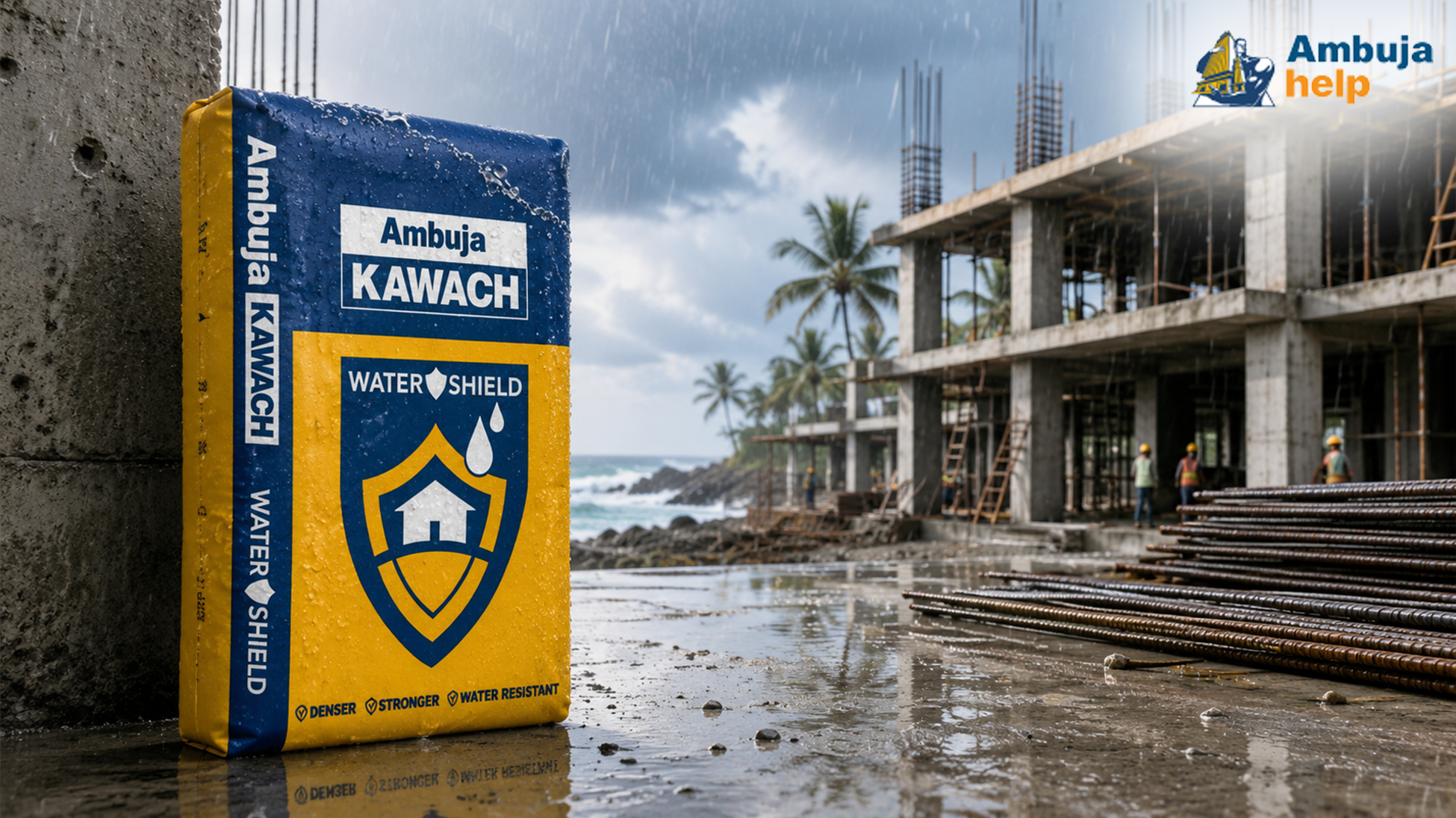
Table of Content
Building a home near the coast is a dream for many. The views, the breeze, and the lifestyle are unmatched. But building a home near the coastline comes with its own set of construction challenges. High humidity, salt-laden air, strong winds, and heavy rainfall can all affect the durability of a home if not planned carefully.
This is why having the right tips for coastal home construction helps a lot in prioritising before the project even starts. By using the right materials and techniques, you can build a home that not only looks beautiful but also stands strong for decades.
Understanding Coastal Construction Challenges
Coastal environments are harsh on buildings. The permanent moisture in the air increases the risk of dampness, mold, and structural damage. Salt particles carried by sea breeze accelerate corrosion, especially in metal components like steel reinforcement.
In many coastal construction projects across India, these factors, combined with unpredictable weather, make it necessary to adopt the right building approach. Ignoring them can result in frequent repairs, higher maintenance costs, and a shorter lifespan for the structure.
Choosing Corrosion-Resistant Materials
One of the biggest threats to coastal homes is corrosion. Salt in the air reacts with metals, causing them to rust faster than in normal climates. To counter this, builders use materials that are specifically designed to resist corrosion.
High-quality cement plays a crucial role here. When mixed and applied properly, it acts as a protective barrier around steel reinforcements, preventing moisture from reaching them. Using coated or galvanized steel further strengthens the structure.
Modern anti-corrosion construction methods also include protective coatings and admixtures that enhance the durability of concrete. These solutions help slow down the effects of salt exposure and extend the life of the building significantly.
Building Strong and Stable Foundations
The foundation is the backbone of any structure, and in coastal regions, it needs extra attention. Coastal soil often has high moisture content and lower load-bearing capacity, which can lead to settlement issues if not taken care of early.
Before construction begins, soil testing is important to determine the right type of foundation. Engineers often recommend pile or raft foundations for better stability. These designs distribute the load more effectively and reduce the risk of structural damage over time. Proper drainage systems around the foundation also play a key role. By directing water away from the home, they help prevent long-term damage caused by water accumulation.
Weather-Resistant Construction Techniques
Coastal homes must be designed to handle strong winds and heavy rainfall. Structural design plays a major role in ensuring safety and durability.
Sloped roofs are commonly used because they allow rainwater to drain quickly, reducing the chances of leakage. Reinforced roofing systems and wind-resistant fasteners help buildings withstand storms and high-speed winds.
Waterproofing is another crucial element. Applying waterproof layers to roofs, walls, and basements prevents water seepage and protects the structure from internal damage. These techniques are important for long-term performance in coastal conditions.
Managing Humidity and Indoor Comfort
High humidity is a constant challenge in coastal homes. It can lead to mold growth, unpleasant odors, and poor indoor air quality if not managed properly.
Good architectural design can make a big difference. Homes with proper cross-ventilation allow fresh air to circulate, reducing moisture buildup inside. Large windows, ventilated spaces, and open layouts help maintain a comfortable indoor environment.
Using humidity-resistant materials such as moisture-proof paints, treated wood, and specialized waterproof cement can further protect interiors. These materials reduce the chances of dampness and ensure that walls and surfaces remain in good condition over time.
Protecting Exterior Surfaces
The exterior of a coastal home is constantly exposed to salt, sun, and rain. Without proper protection, walls can deteriorate quickly. Weatherproof paints and protective coatings act as the first line of defense. They prevent salt particles from penetrating the surface and protect against UV damage.
Sealants and finishes designed for coastal conditions also help improve durability. These small but important steps go a long way in preserving both the strength and appearance of the building.
Role of Quality Cement in Coastal Construction
Cement is one of the most important materials in any construction project, especially in coastal environments. High-quality cement ensures better bonding, improved strength, and resistance to moisture and salt damage.
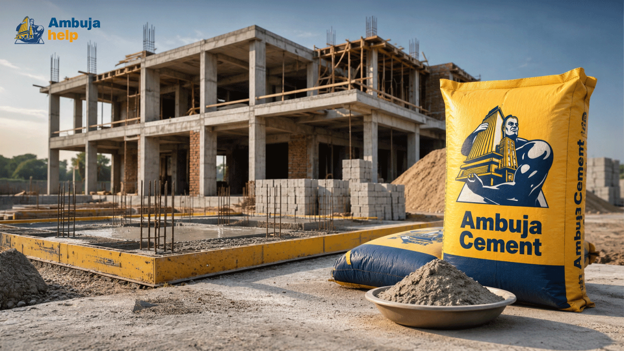
Using reliable brands helps maintain consistency in construction quality. Ambuja Cement, for instance, is widely recognized for offering durable and budget-friendly premium cement solutions that perform well even in challenging conditions like coastal climates. The right cement, combined with proper construction practices, forms the foundation of a long-lasting home.
Quick Overview of Key Coastal Construction Considerations
| Factor | Why It Matters | Recommended Approach |
|---|---|---|
| Salt Exposure | Causes corrosion | Use coated steel and quality concrete |
| High Humidity | Leads to dampness and mold | Ensure ventilation and moisture control |
| Heavy Rainfall | Increases risk of leakage | Use waterproofing systems |
| Strong Winds | Affects structural safety | Reinforced design and roofing |
| Soil Conditions | Impacts foundation stability | Conduct soil tests and use suitable foundations |
Final Thoughts
Building a home near the coast requires more than just good design—it demands careful planning and the right materials. By following proven coastal home construction tips, you can protect your investment and enjoy a safe, durable, and comfortable living space.
From choosing the right materials to ensuring proper ventilation and structural strength, every decision plays a role in how well your home performs over time. With the right approach, coastal homes can be just as strong and long-lasting as those built in any other environment.
Frequently Asked Questions
Q1. Which building construction materials are most durable?
Durable materials include high-quality cement, coated steel, and waterproofing solutions. Trusted brands like Ambuja Cement ensure strength, consistency, and resistance to coastal conditions, making structures long-lasting and reliable.
Q2. Why is cement quality important for coastal construction?
In coastal conditions, cement must resist moisture and salt damage. Ambuja Cement offers premium, durable solutions that improve bonding strength and help protect structures from corrosion and environmental stress.
Q3. How can I protect my home from corrosion near coastal areas?
Using corrosion-resistant materials and quality cement is key. Ambuja Cement supports long-term durability by enhancing concrete strength and protecting reinforcement from moisture and salt exposure in coastal environments.
Q4. What role does cement play in foundation strength in coastal areas?
Cement ensures strong bonding and structural stability. Using reliable options like Ambuja Cement helps create robust foundations that withstand moisture-heavy soil conditions and reduce long-term settlement risks.
Q5. How can I improve the lifespan of a coastal home?
Using quality materials, proper waterproofing, and trusted cement like Ambuja Cement ensures better resistance to humidity, salt exposure, and harsh weather, significantly improving the home’s durability and lifespan.