How To Check Cement Quality At Home Before Use: 5 Practical Tests


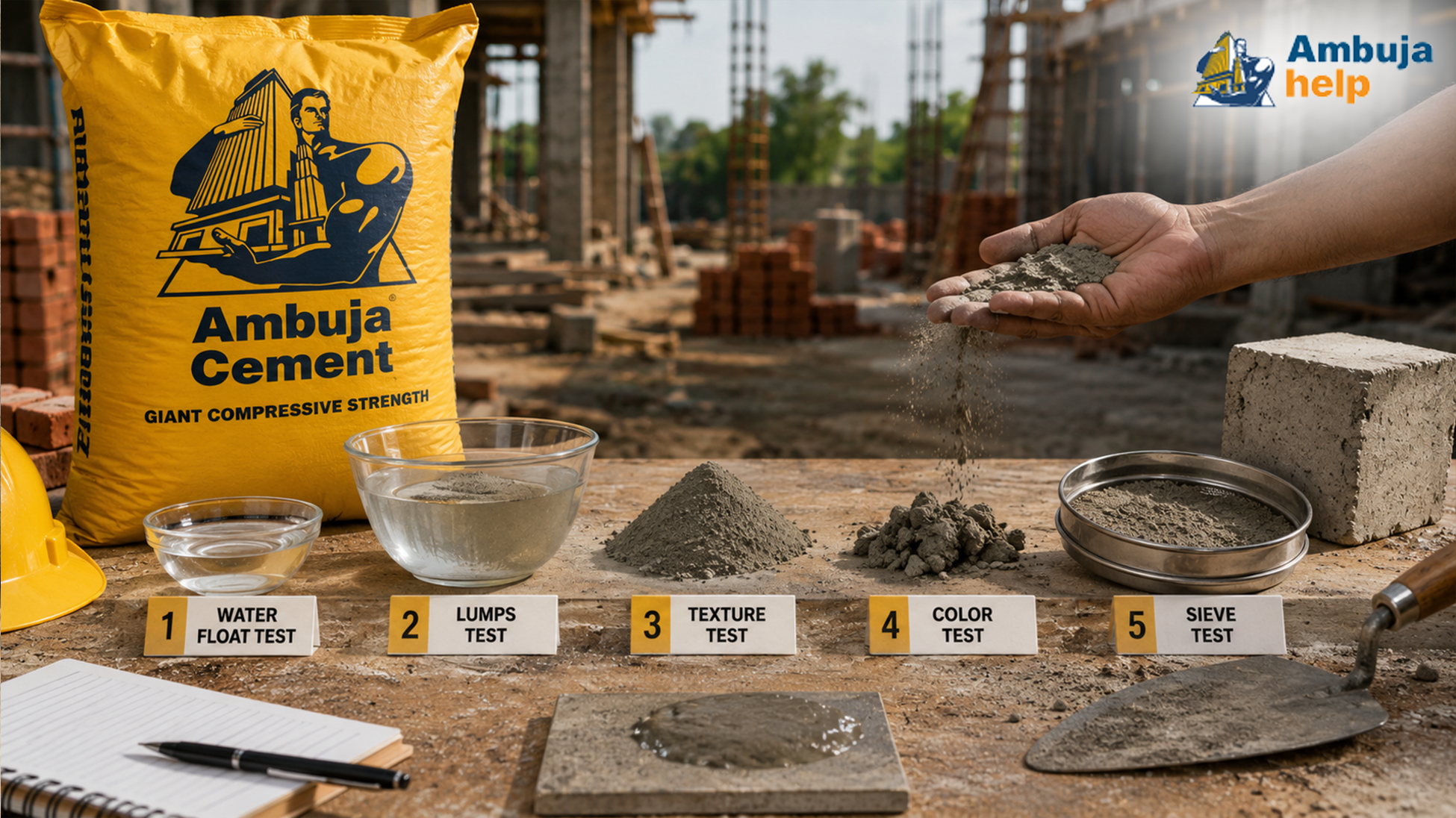
Table of Content
Cement is one of the key materials for any construction. Whether you’re building a new home or doing minor repairs, the quality of cement you use directly affects strength, durability, and long-term safety. The good part? You don’t always need a lab to check cement quality. With a few simple checks, you can get a good idea of whether your cement is suitable for use.
If you’ve ever wondered how to check cement quality, this guide breaks it down into simple, practical steps you can follow at home.
Understanding Cement and Why Quality Matters
Cement is a fine grey powder made from materials like limestone, sand, iron ore, and bauxite. These ingredients are heated at very high temperatures (around 1500°C) and then ground into a fine powder.
What makes cement special is its ability to react with water through a process called hydration, forming a strong binding paste. However, this same property also makes it vulnerable to moisture. Even slight exposure to humidity can begin the hydration process prematurely, reducing its effectiveness. This is why performing a basic cement quality test at home before use is always a smart step.
Why You Should Always Check Cement Quality
Before jumping into construction, it’s important to ensure that your cement is fresh and uncompromised.
Here’s why it matters:
- Fresh cement provides better bonding and strength
- Poor-quality cement can lead to cracks and weak structures
- Early checks help avoid costly repairs later
- It ensures the safety and durability of the building
While laboratory testing gives precise results, simple test methods for cement can give you reliable initial insights.
5 Practical Tests to Check Cement Quality at Home
These tests are easy to perform and don’t need any specialized tools. These tests help with good cement identification before use.
1. Manufacturing Date Check
The first and most important step is checking how old the cement is.
What to do:
- Look for the manufacturing date printed on the bag
- It is usually located near the side seam or back
What to observe:
- Use cement within 90 days for best performance
- Strength reduces over time due to moisture exposure
Quick reference:
| Age of Cement | Strength Retention |
|---|---|
| Fresh (0–3 months) | High (70–100%) |
| 3–6 months | Moderate |
| 6–12 months | Low |
Older cement doesn’t always fail completely, but its performance becomes less reliable.
2. Colour and Texture Test
The appearance of cement can tell you a lot about its quality.
What to do:
- Observe the colour visually
- Rub a small amount between your fingers
What to observe:
- Good cement has a uniform grey colour with a slight greenish tint
- It should feel smooth and fine to touch
- A gritty or uneven texture may indicate impurities
This is one of the simplest cement testing methods that helps detect adulteration.
3. Lumps Inspection Test
Moisture exposure often leads to lump formation inside cement bags.
What to do:
- Open the bag and check for lumps
- Press lumps gently between your fingers
What to observe:
- Small soft lumps that break easily may still be usable
- Hard lumps indicate moisture damage and should be rejected
This test is crucial because damp cement loses its binding strength.
4. Float Test
This test helps identify the density and purity of cement.
What to do:
- Take a handful of cement
- Sprinkle it gently into a bucket of water
What to observe:
- Good cement floats for a few seconds before sinking
- Poor-quality cement sinks immediately
This simple test works as a quick indicator of impurities and composition.
5. Setting and Strength Test
This test gives you a better idea of how the cement will perform in real conditions.
What to do:
- Mix cement with water to form a thick paste
- Shape it like a small cake or block
- Leave it undisturbed for 24 hours or immerse in water
What to observe:
- It should be set into a hard structure
- No cracks or deformation should appear
- Weak or powdery texture indicates poor quality
Quick Reference For Cement Quality Tests
| Test Type | What It Checks | Ideal Result |
|---|---|---|
| Manufacturing Date | Freshness | Less than 3 months old |
| Colour & Texture | Purity and composition | Smooth, uniform grey |
| Lumps Inspection | Moisture exposure | No hard lumps |
| Float Test | Density and impurities | Floats briefly |
| Setting Test | Strength and durability | Hard, crack-free structure |
Additional Tips for Better Cement Quality
Along with testing, proper handling also plays a key role in maintaining cement quality.
Keep these points in mind:
- Store cement in a dry, covered area
- Avoid direct contact with the ground
- Protect bags from moisture and rain
- Use older cement first (FIFO method)
Even high-quality cement can lose its effectiveness if not stored properly.
The Role of Trusted Cement Brands
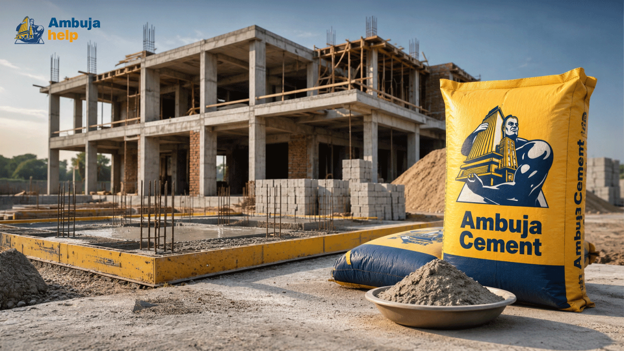
While testing is important, starting with a reliable cement brand reduces the risk of quality issues. Good brands ensure better packaging, consistent composition, and controlled manufacturing processes. Ambuja Cement is a widely trusted brand that is known for offering durable and budget-friendly premium cement solutions, making it a dependable choice for both small and large construction projects.
Final Thoughts
Understanding how to check cement quality doesn’t require advanced technical knowledge, just attention to a few simple checks that can make a big difference in construction outcomes. By cross-checking the manufacturing date, ensuring the cement feels smooth and looks uniform in colour, and avoiding bags with hard lumps, you can prevent the use of compromised material. Simple on-site tests further help confirm its reliability before use.
These small but essential steps not only improve the strength of your construction but also enhance its durability over time. Making informed choices at this stage ensures your structure remains safe, stable, and built to last for years.
Frequently Asked Questions
Q1. What are the essential building materials for house construction?
Essential materials include cement, sand, aggregates, bricks, and steel. Choosing trusted options like Ambuja Cement ensures consistent strength, better bonding, and long-lasting durability for safe and reliable construction.
Q2. How can I ensure I’m using good-quality cement for my project?
Start with a trusted brand like Ambuja Cement, then perform simple checks like texture, colour, and freshness. Reliable brands reduce risks and ensure better performance in construction applications.
Q3. Why is choosing a reliable cement brand important?
Ambuja Cement maintains strict quality control, ensuring consistent composition, better packaging, and improved resistance to moisture, resulting in stronger, more durable structures with fewer long-term issues.
Q4. Can cement quality affect the lifespan of a building?
Yes, cement quality directly impacts strength and durability. Using high-quality options such as Ambuja Cement helps reduce cracks, improve bonding, and ensure your structure remains strong and long-lasting over time.
Q5. Does branded cement reduce the need for quality testing?
While simple checks are still useful, choosing Ambuja Cement reduces uncertainty. Its consistent quality, reliable packaging, and controlled manufacturing processes ensure dependable performance, making construction safer and more efficient overall.