Benefits of Buying Construction Materials From Cement Dealers Near You


Table of Content
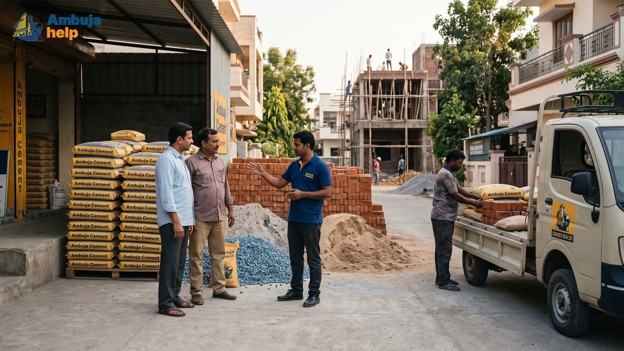
Construction rarely goes exactly according to plan. Materials need to arrive when workers are ready, quantities must match the work underway, and quality cannot be compromised. This is why buying from a nearby dealer can make construction procurement simpler and more manageable.
A local cement dealership come here by giving contractors the advantage of procuring top quality cement with having to search far while also ensuring that projects never come to a halt due to material availability.
Why Local Sourcing Matters
Cement is the key material for concrete, masonry, plastering, foundations, slabs, and several other requirements. Because construction depends on a steady flow of materials, delays in procurement can affect labour, equipment, and project schedules.
Buying through a nearby dealer can help you:
- Reduce transportation-related delays
- Communicate directly about requirements
- Check product availability before ordering
- Coordinate deliveries around construction stages
- Resolve supply concerns more quickly
Faster Access to Construction Materials
One of the biggest benefits of buying locally is accessibility. When cement is needed unexpectedly, a nearby dealer can often be easier to contact than a distant supplier. This can be especially useful during active construction, where waiting several days for essential material may leave workers or equipment underused.
Better Communication and Guidance
Construction materials are not always interchangeable. Different construction phases call for different cement types, which is the reason why the choice of cement should depend on project requirements and professional guidance.
A nearby dealer allows homeowners and contractors to discuss quantities, cement options, delivery schedules, and availability directly. This in turn reduces misunderstandings and make procurement more organised.
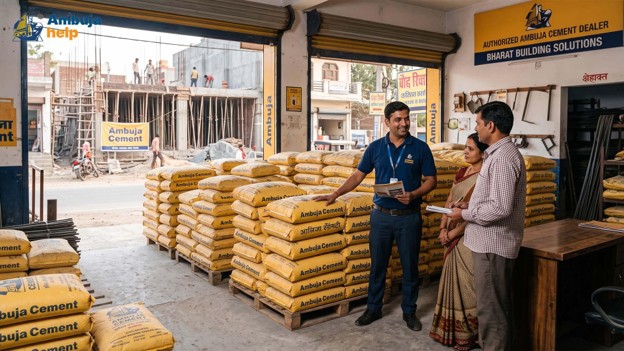
When evaluating a Cement Dealership, consider more than its location. Ask whether the seller is authorised, how products are stored, and whether the required material can be supplied consistently.
Easier Quality Checks
Cement needs appropriate handling and storage. Exposure to moisture can affect its condition, while damaged packaging can create concerns about contamination or product integrity. Buying locally can make it easier to inspect bags before accepting a delivery. Check for:
| What to check | Why it matters |
|---|---|
| Intact packaging | Helps reduce exposure and contamination risks |
| Dry storage | Protects cement from moisture |
| Product details | Helps confirm the cement type |
| Stock condition | Supports better purchasing decisions |
Supporting Better Project Planning
Every construction project is based on near accurate estimates, that leaves space for the material requirements to changes as the project pans out. Foundations may need substantial quantities, while later stages may need regular supplies for masonry or finishing.
Working with a local cement distributor can make repeat ordering more practical. Instead of arranging every purchase from scratch, contractors can establish a predictable supply routine based on the project schedule. This can improve overall planning for labour, transport, storage space, and cash flow.
How Ambuja Cement Fits Into the Decision
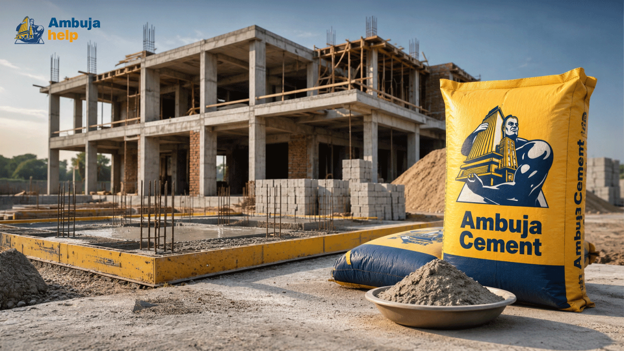
The dealer is important, but the quality and suitability of the cement matter just as much. Ambuja Cement is a premium source for quality cement raw materials, with products designed for different construction requirements.
Our OPC and PPC options supports general construction needs, with OPC commonly selected for applications requiring load bearing strength, while PPC is valued for workability and finish in suitable applications.
Additionally, our premium Ambuja Plus is another reliable cement product which is a PPC cement made using SPE (Special Performance Enhancer) technology. The offers enhanced strength and density, along with resistance to leakage.
What to Look for in a Nearby Dealer
Not every local seller provides the same level of service. Before finalising your supplier, consider:
- Authorisation: Check whether the dealer is part of a recognised distribution network.
- Storage: Confirm that cement is kept in a dry, protected environment.
- Availability: Ask whether regular quantities can be supplied.
- Delivery: Understand expected timelines and transportation arrangements.
- Product knowledge: Choose a seller who can provide basic product information.
- Documentation: Keep invoices and purchase records for future reference.
A responsible cement dealership should make these details reasonably clear rather than focusing only on price.
Local Buying and Long-Term Value
A good local cement dealer can contribute to smoother construction in several ways. Timely deliveries help prevent work from stopping, while proper storage helps maintain the condition of the cement. Direct communication also makes it easier to discuss quantities and delivery schedules. Instead of choosing a cement dealer only because they offer a lower price, consider how reliably they can support your project from start to finish.
Building With Greater Confidence
Buying construction materials from dealers near your project can provide practical advantages at every stage, from faster access to easier communication and better coordination. However, proximity should never replace checks for authenticity, storage, quality, and suitability.
When choosing a cement distributor, look for a dependable source that can support your requirements throughout the project. Pairing a reliable local supply channel with quality products from an established manufacturer such as Ambuja Cement can help homeowners and builders make informed decisions and keep construction moving with greater confidence.
Frequently Asked Questions
Q1. Why buy construction materials from a nearby cement dealer?
Nearby dealers can make communication, material inspection, delivery coordination, repeat ordering, and issue resolution easier, helping homeowners and contractors manage construction requirements with fewer avoidable procurement delays.
Q2. Does buying locally always mean getting the cheapest cement?
No. Local buying should be evaluated on overall value, including product authenticity, storage, availability, delivery reliability, communication, and service, rather than price alone.
Q3. How can a local dealer help with project planning?
A dependable local dealer can coordinate regular supplies and delivery schedules, helping contractors plan labour, storage, transport, cash flow, and material requirements across different construction stages.
Q4. What should I check when choosing a nearby Ambuja dealer?
Check authorisation, product availability, storage conditions, packaging, delivery arrangements, documentation, and basic product knowledge to ensure the dealer can support your construction requirements reliably.
Q5. Why does cement quality matter when buying locally?
Quality and consistency influence concrete and masonry performance. Buying genuine Ambuja Cement through dependable channels can reduce uncertainty, while proper mixing, curing, and workmanship remain equally important.