Best Cement Grade for Foundation, Walls, and Roof Slab: A Complete Guide


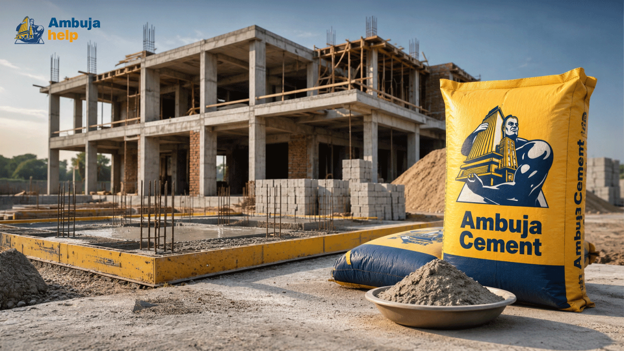
Table of Content
Choosing the right cement grade is one of the most important decisions in home construction, as it directly impacts the strength and durability of the structure. Every stage of construction, from laying the foundation to building walls and casting the roof slab, needs cement with properties suited to a specific application.
That said, a common misconception among homeowners is that using the best cement in India for house construction automatically guarantees better quality. In reality, the best choice depends on where and how the cement will be used.
Through this blog, we will explain the different cement grades, their applications, and how to choose the most suitable option for every part of your home.
What Does Cement Grade Mean?
The grade of cement refers to its compressive strength after 28 days of curing, measured in megapascals (MPa). For example, OPC 33 Grade achieves a strength of 33 MPa, while OPC 53 Grade reaches 53 MPa under standard testing conditions.
Higher grades offer greater early strength, but they are not necessary for every construction application. Selecting the appropriate grade ensures better performance while avoiding unnecessary costs.
Tip: Always check the grade marking and manufacturing date on the cement bag before purchasing.
Why Cement Grade Matters
The grade of cement directly influences several aspects of construction, including:
- Structural strength
- Load-bearing capacity
- Durability
- Crack resistance
- Long-term maintenance
Choosing the correct grade for each stage of construction improves both safety and performance while reducing future repair costs.
Common Cement Grades and Their Uses
Understanding the differences between cement grades makes it easier to select the right product for your project.
| Cement Grade | Common Applications | Key Benefits |
|---|---|---|
| OPC 33 Grade | Plastering and masonry | Smooth finish and good workability |
| OPC 43 Grade | Residential construction, walls, and flooring | Balanced strength and versatility |
| OPC 53 Grade | Roof slabs, beams, columns, and RCC work | High early strength and faster construction |
| PPC (Portland Pozzolana Cement) | Foundations, masonry, plastering, residential buildings | Long-term durability, lower heat of hydration, and improved workability |
| PSC (Portland Slag Cement) | Foundations and moisture-prone structures | High durability and improved resistance to aggressive environments |
Which Cement Grade Is Best for Foundations?
The foundation supports the entire building, making durability a top priority. Many experienced builders recommend Portland Pozzolana Cement (PPC) for residential foundations due to its excellent long-term strength, reduced permeability, and reliable water resistance. In areas where soil contains higher moisture levels or changing weather conditions, Ambuja’s PPC cement variant is often preferred for its durable performance and workability.
Which Cement Grade Is Suitable for Walls?
Wall construction requires cement that offers good bonding, workability, and crack resistance. Which is why both OPC 43 Grade and PPC are commonly used for:
- Brick masonry
- Block work
- Internal walls
- External walls
When building with innovative construction materials like chemical bricks, selecting quality cement ensures stronger bonding and improved structural integrity.
Which Cement Grade Is Best for Roof Slabs?
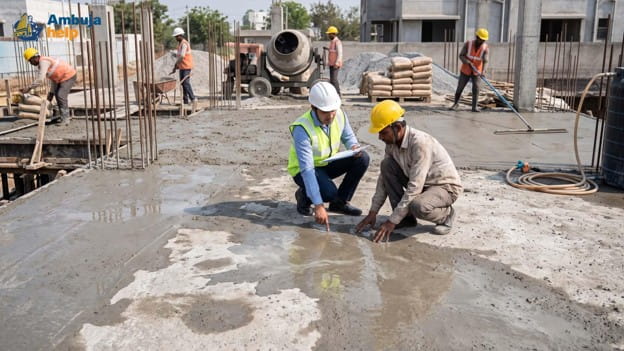
Roof slabs experience significant structural loads and continuous exposure to changing weather conditions. OPC 53 Grade is widely used for reinforced cement concrete (RCC) applications, such as:
- Roof slabs
- Beams
- Columns
- Structural members
Its higher strength supports load-bearing construction, provided it’s properly cured during the construction process.
How to Choose the Right Cement for Your Home
The ideal cement depends on the stage of construction rather than simply choosing the highest available grade.
| Construction Area | Recommended Cement |
|---|---|
| Foundation | PPC or PSC |
| Brick Masonry | OPC 43 or PPC |
| Plastering | OPC 33 or PPC |
| Roof Slabs | OPC 53 |
| Beams & Columns | OPC 53 |
Understanding these applications helps homeowners make practical decisions while optimising both performance and cost.
Factors to Consider Before Buying Cement
Before purchasing cement, always evaluate the following:
- Manufacturing date
- Grade marking
- BIS certification
- Packaging condition
- Storage quality
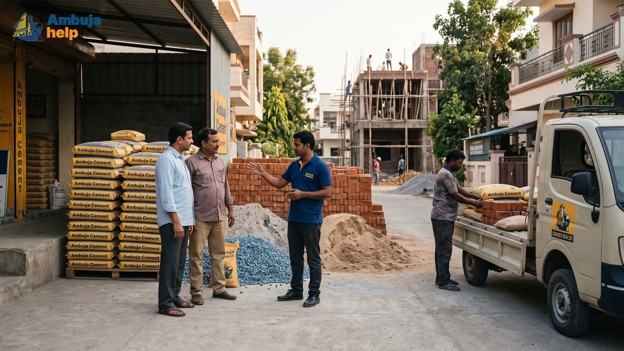
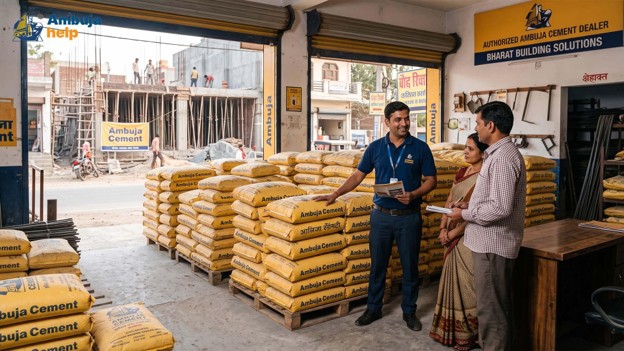
- Authorised dealer availability
Proper storage is equally important. Cement bags exposed to moisture may lose strength before they are even used.
Common Mistakes to Avoid
Many homeowners unintentionally make decisions that affect construction quality. Some common mistakes include:
- Assuming higher-grade cement is always the best option
- Purchasing cement based only on price
- Mixing different cement grades within the same structural element
- Ignoring curing requirements
- Buying cement stored in damp conditions
Selecting cement according to the construction requirement is always more effective than relying solely on strength ratings.
Why Climate Also Influences Cement Selection
India faces a very unique weather condition across its regions, so choosing the right cement depends on the local climate as well. In hot and dry areas, PPC is often preferred because it generates less heat during setting, helping reduce the chances of cracks.
In coastal or humid regions, cement with good moisture resistance offers better long-term durability. That's why many builders and engineers recommend Ambuja PPC Cement for residential projects where lasting strength and protection against changing weather are important.
Building with Quality Materials
Choosing the right cement grade is important, but it's only one part of building a durable home. The overall quality of construction also depends on factors such as good aggregates, quality steel, clean water, proper workmanship, and correct curing. Selecting cement from a trusted manufacturer with consistent quality standards further supports long-lasting performance.
Ambuja Cement products are recognised for the quality of cement using carefully selected raw materials, helping create strong and durable structures across a wide range of residential construction applications.
Conclusion
Selecting the right cement grade is one of the smartest investments you can make during home construction. With every part of the structure needing different cement requirements, it is important to choose cement based on the application rather than simply opting for the highest strength.
If you're looking for the best cement in India for house construction, focus on products that combine consistent quality, durability, and suitability for the intended purpose. Trusted manufacturers like Ambuja Cement continue to develop premium cement solutions that support reliable construction and long-term performance, helping homeowners build with confidence in each project.
Frequently Asked Questions
Q1. Which cement grade is commonly used for roof slabs?
OPC 53 Grade is widely used for roof slabs because it offers high early strength for reinforced concrete work.
Q2. Why is Ambuja PPC Cement preferred for residential construction?
Ambuja PPC Cement offers good workability, long-term durability, and improved resistance to moisture, making it suitable for many residential applications.
Q3. Is the highest cement grade always the best?
No. The right cement grade depends on the construction application, not simply the highest strength.
Q4. What should I check before buying cement?
Check the manufacturing date, grade, BIS certification, packaging condition, and purchase from an authorised dealer.
Q5. Can climate influence cement selection?
Yes. Different climates require cement with suitable properties to improve durability and reduce the risk of cracks or moisture damage.