What Is the Compressive Strength of Concrete and Why Should You Care?


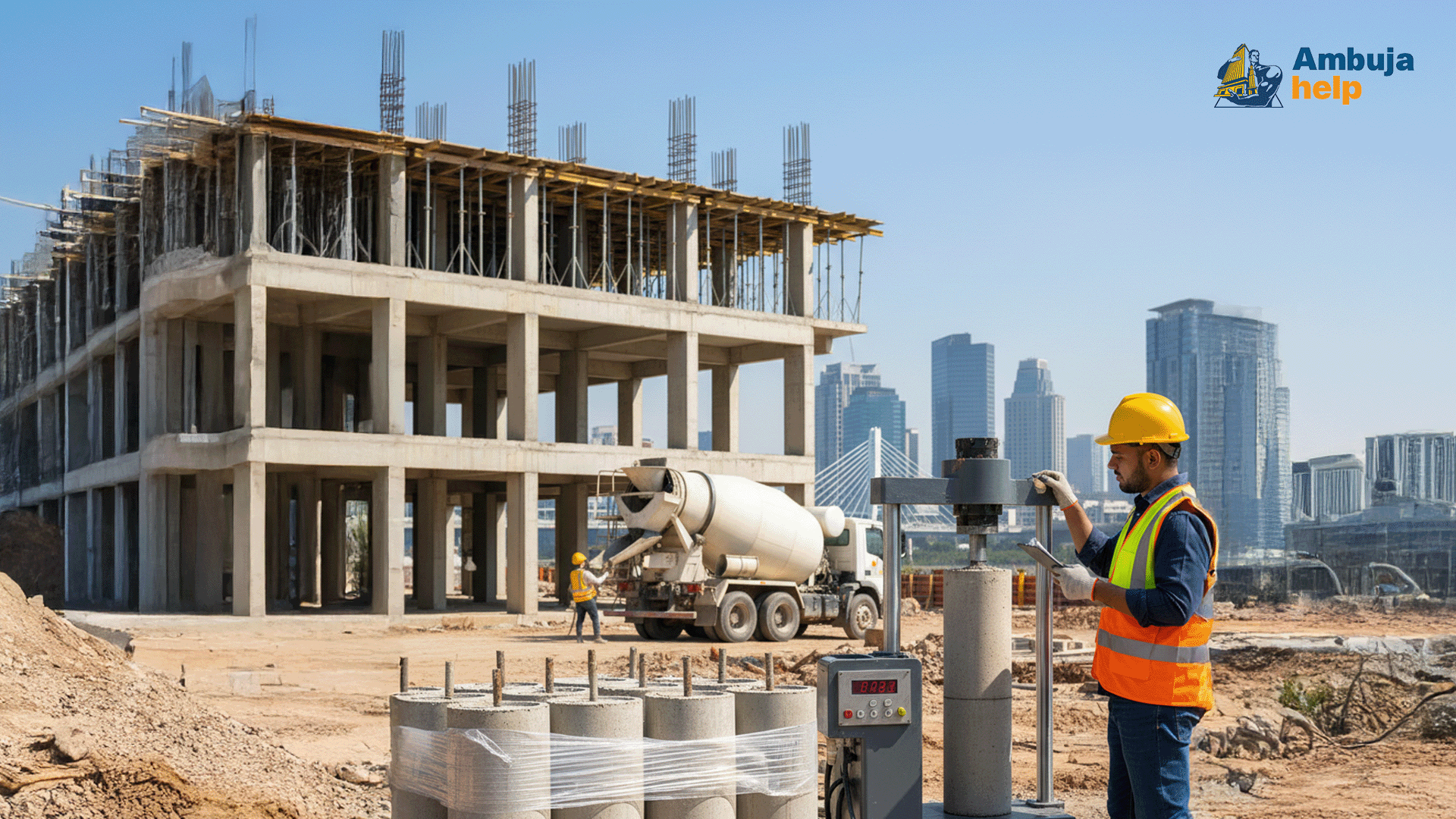
Table of Content
When you dream of building a home, you probably picture its design, the perfect modular kitchen, the cozy bedrooms, and the view from your balcony. But here’s a question you might not think about right away: can your walls withstand pressure over decades?
It’s not a dramatic question—it’s a practical one. And it all starts with understanding the compressive strength of concrete.
Whether you're a homeowner, a project manager, or simply someone trying to make the most informed decisions during construction, knowing how strong your concrete really is makes all the difference. Today, we’re going to break it all down for you: what it is, why it matters, how it’s tested, and why you should never compromise on it.
So, What Exactly Is Compressive Strength of Concrete?
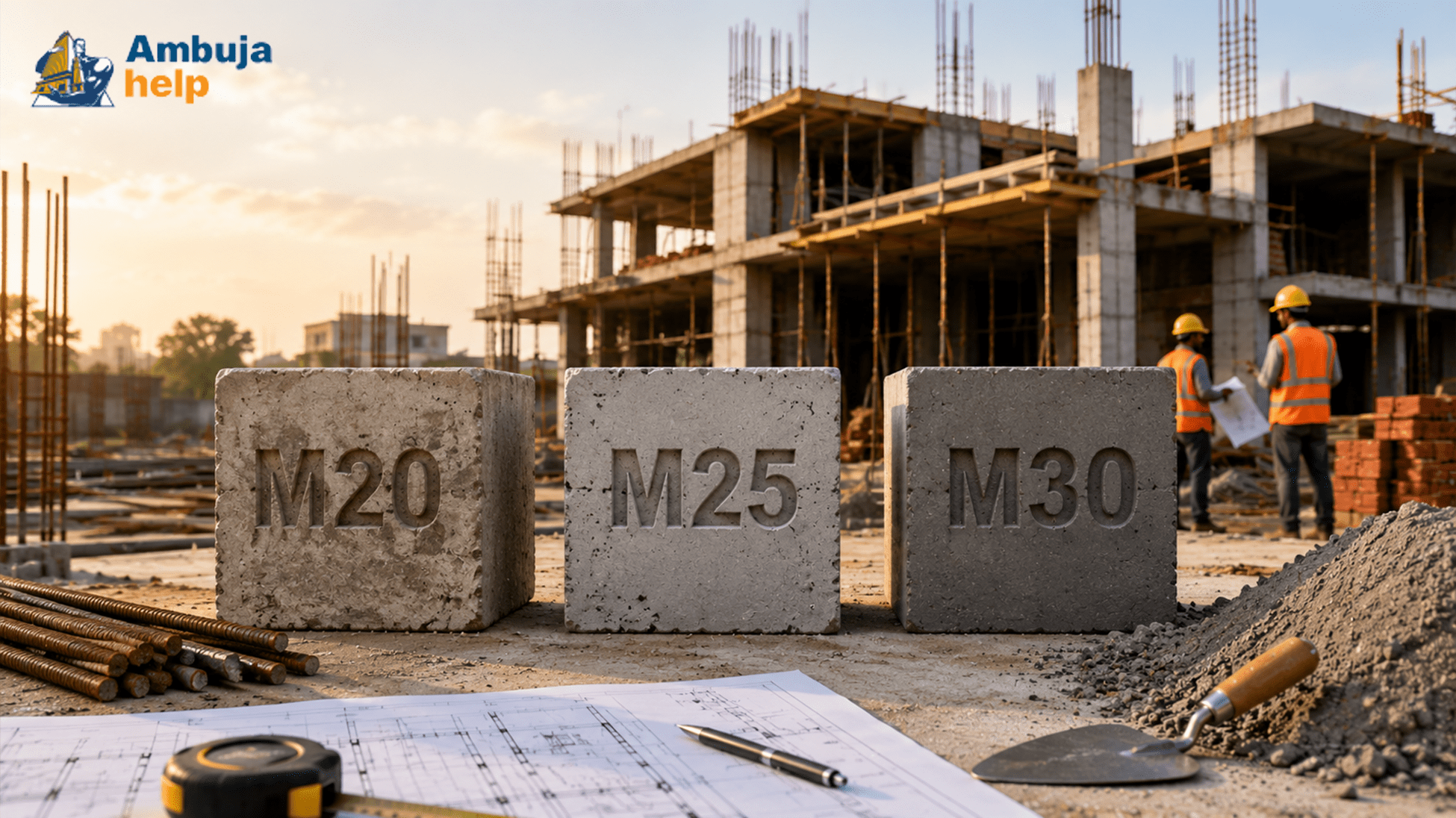
Think of it like this: imagine squeezing a concrete cube until it cracks. The compressive strength of concrete is simply a measure of how much load that cube can take before it fails. It tells you how much pressure the concrete can withstand without breaking apart.
This strength is measured in megapascals (MPa), and the higher the value, the stronger your concrete. For residential homes in India, a strength of 20 MPa to 25 MPa is usually sufficient, but the right number depends on your specific construction needs.
Why Should You Care?
Because this number directly impacts the durability and safety of your home.
You build your home once, so you want it to stand strong for a lifetime, right? The compressive strength determines whether your walls, beams, and foundation can withstand vertical loads: everything from the weight of the building itself to external pressures like wind, furniture, and daily use.
In short: no strong concrete = no strong home.
How Is Concrete Strength Measured?
There are several ways to test the concrete strength, each with its own pros and cons. Let’s go through a few popular ones:
- Rebound Hammer Test (Schmidt Hammer)
A hammer hits the concrete surface and bounces back. The bounce value gives an estimate of strength. Quick and handy on-site—but needs proper calibration for accurate results. - Penetration Resistance Test
This involves pushing a small pin into the concrete and measuring how deep it goes. More depth = less strength. Again, easy to do, but surface conditions can affect the results. - Ultrasonic Pulse Velocity
Here, a sound wave is sent through the concrete. The faster it travels, the denser (and stronger) the concrete. It’s non-destructive and can reveal cracks, but factors like moisture can skew results. - Pullout Test
A metal rod is pulled out of the concrete, and the force required gives an estimate of strength. Useful but slightly destructive. - Core Drilling
Cylindrical samples are drilled out from the actual slab and crushed in a lab to get precise compressive strength readings of concrete. Very accurate, but invasive. - Cast-in-place Cylinders
Concrete samples are cast in molds and left in the slab. These are tested later to simulate real curing conditions. Accurate—but still lab-dependent. - Wireless Maturity Sensors
This modern technique involves placing a sensor in the concrete before pouring. It tracks temperature changes over time and sends data to your phone. Based on this, the strength is estimated without damaging the slab.
Why Testing Matters More Than You Think
Sure, these methods may sound technical, but they’re the backbone of concrete testing in any quality-driven construction project. These tests aren’t just academic—they help ensure your structure won’t crack, crumble, or collapse.
Project managers and engineers rely on concrete strength calculations to plan everything from the number of floors to the type of reinforcement needed. Without accurate testing, you’re essentially building blind.
The Domino Effect of Choosing Poor-Quality Cement
Let’s pause and think about what happens when you use substandard cement or skip proper testing:
- Cracks form earlier than expected.
- The foundation may settle unevenly.
- Repairs become frequent and expensive.
- Worst case? Safety hazards that risk your family’s well-being.
And all because the compressive strength of concrete wasn’t given the attention it deserved.
Make It Count—Right from the Foundation
You wouldn’t compromise on the design of your home, so why compromise on the materials that hold it up?
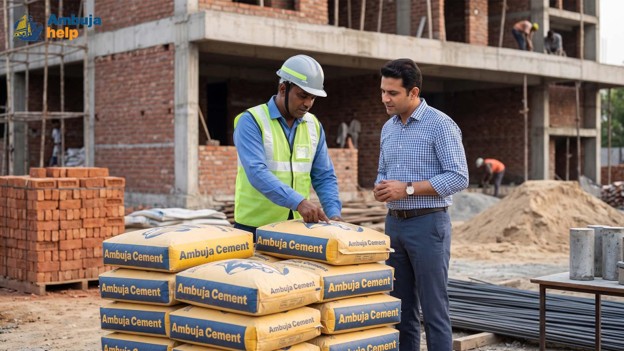
Here’s the golden rule: choose a reputable cement brand, always verify its grade, and never skip concrete testing. If you’re not sure how to start, ask your contractor for testing records or check whether your supplier provides digital strength certifications.
In fact, Aambuja offers online tools like a Home Cost Calculator that help estimate how much material you’ll need based on your layout and land area. These tools, along with proper testing, help you make smarter decisions before the first brick is even laid.
Final Thoughts: Build Strong, Build Smart
Your home is more than just walls and windows: it’s your identity, your legacy, and the strength of that home begins with the concrete strength that holds it all together.
So next time you hear the term “compressive strength of concrete,” don’t tune out—tune in. It’s your secret weapon for building a structure that lasts not just years, but generations.
Remember: you only build your dream home once. Make sure every decision, especially the ones you can’t see, counts.