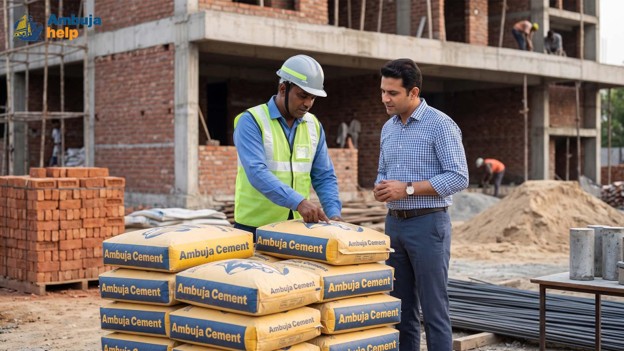
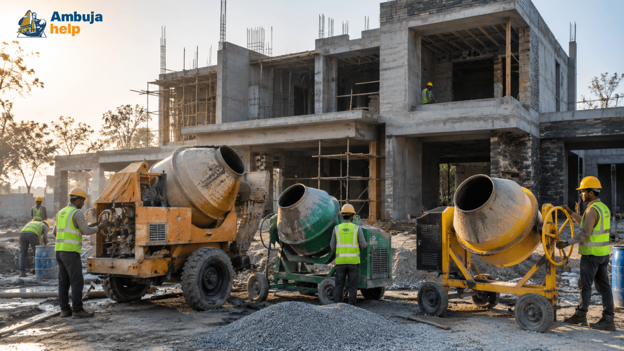
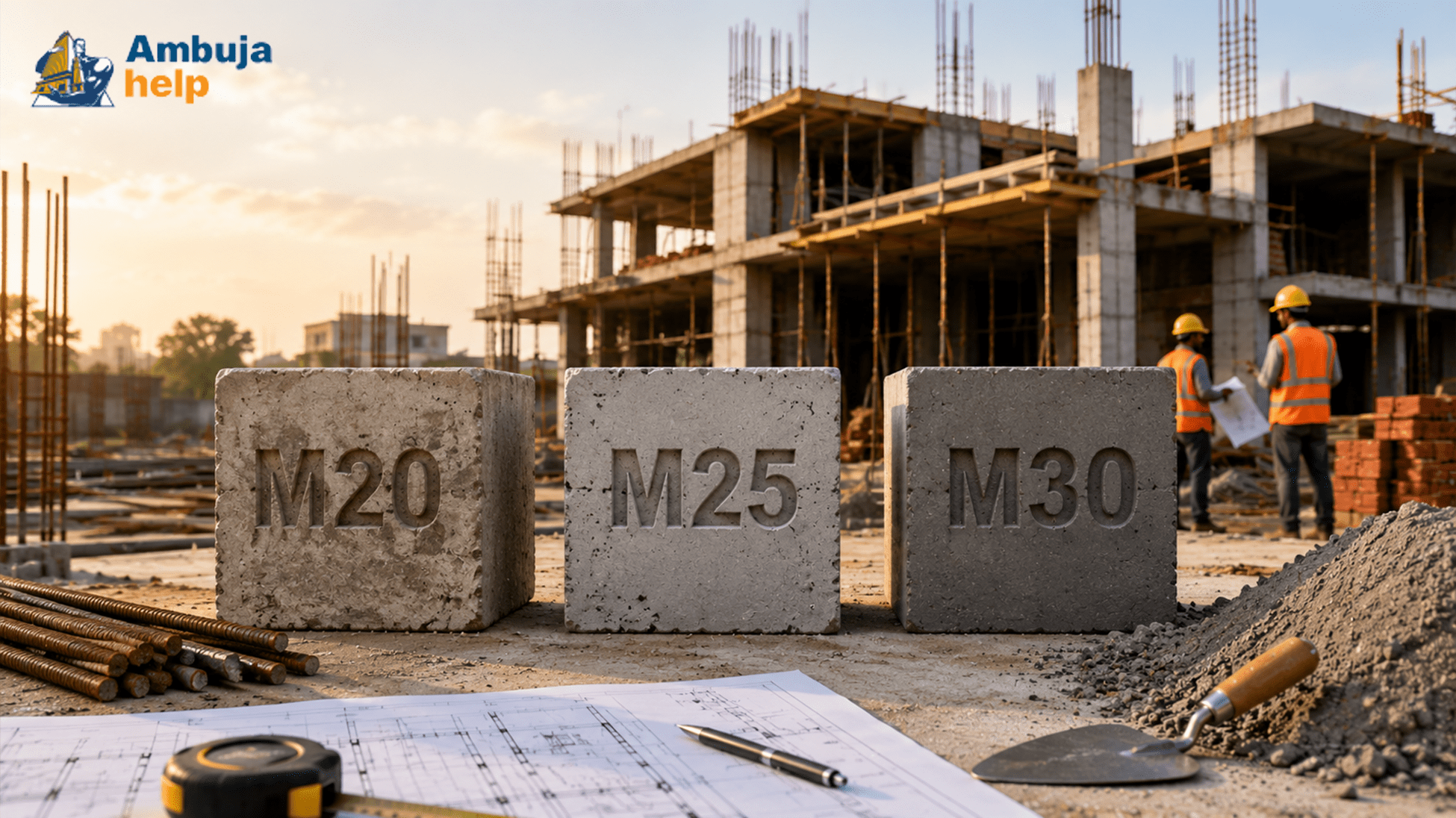
Why Concrete-Mixed Materials Matter As Much As The Cement Quantity in Construction


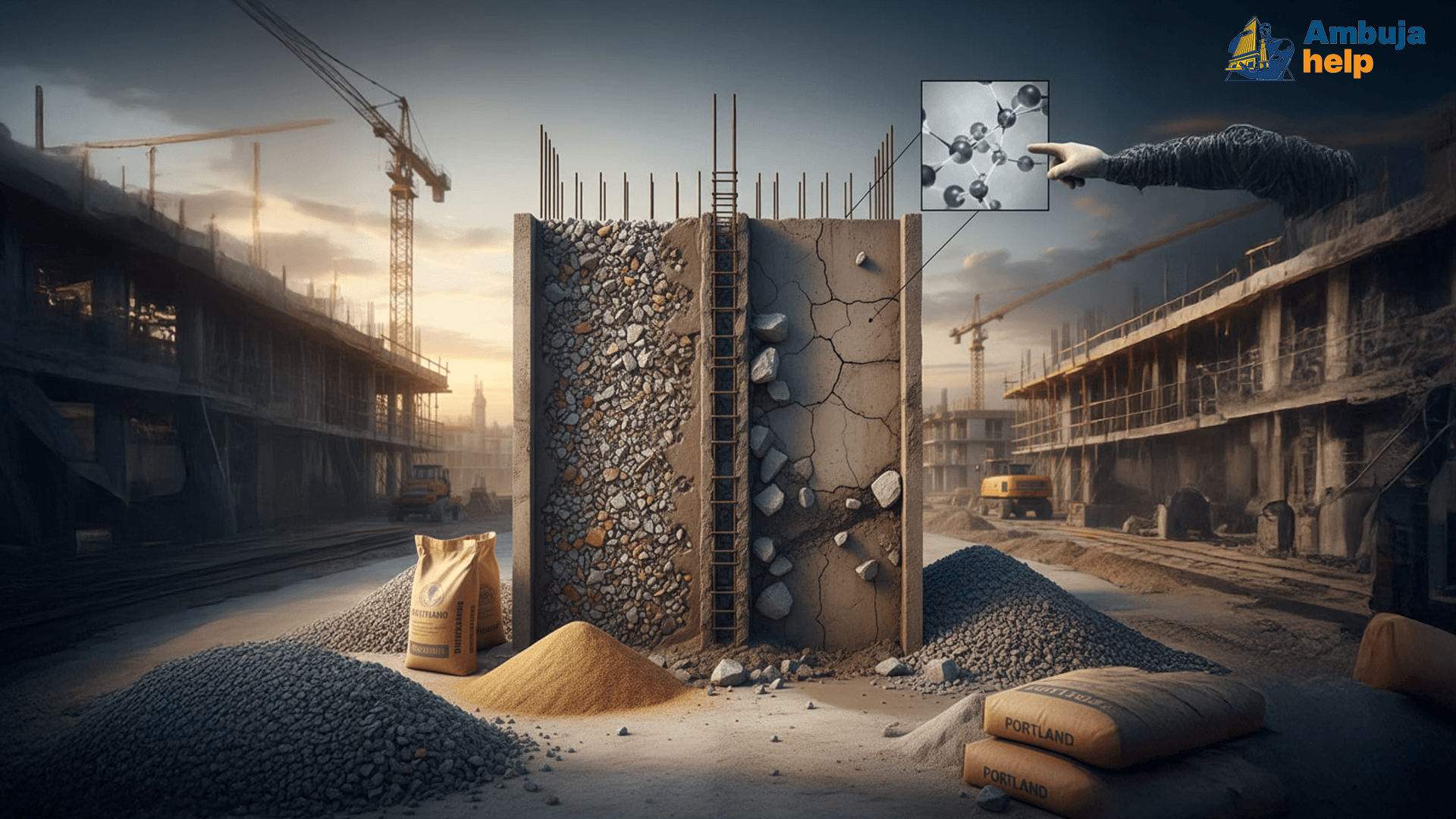
Table of Content
When people talk about strong homes, the conversations always contain sizable levels of discussion on cement quantity. While cement is undeniably important, it’s only one part of a much bigger equation. The real strength of any building lies in how well all the materials, like cement, sand, aggregates, and water, work together. In simple terms, the quality of the concrete mix matters just as much as how much cement you use.
Whether you’re building a small house or planning a long-term family home, understanding concrete composition can help you make smarter decisions, avoid future repairs, and manage overall construction costs more effectively.
Understanding What Makes Concrete Strong
Concrete is not a single material; it’s a carefully balanced mix. Cement is the primary binding agent, but sand fills gaps, aggregates give the needed strength, and water activates the chemical process that binds everything together. If any one of these components is poorly selected or incorrectly mixed, its performance suffers.
Adding more cement than required does not automatically make it stronger. In fact, more cement than required will lead to cracks, shrinkage, and long-term durability issues. The real goal is balance, getting the mix right for the specific purpose it serves.
Why Concrete Mix Ratios Matter
Concrete ratios define the proportion of cement, sand, and aggregates used. These ratios differ in relation to whether the concrete is needed for pathways, floors, slabs, or load-bearing elements like beams and columns.
Here’s a simplified table showing common concrete grades and their uses:
| Concrete Grade | Mix Ratio (Cement: Sand: Aggregate) | Common Uses |
|---|---|---|
| M5 | 1:5:10 | Pathways, non-structural work |
| M7.5 | 1:4:8 | Wall foundations |
| M10 | 1:3:6 | Basic foundations |
| M15 | 1:2:4 | Floors, driveways |
| M20 | 1:1.5:3 | Slabs, RCC work |
| M25 | 1:1:2 | Heavy load-bearing structures |
For house construction, concrete grades like M15 and M20 are commonly used because they provide the right balance between strength and workability for residential needs.
Types of Concrete Mixes and Their Purpose
Every construction project is different, with different requirements in strength and attention. Depending on the project size and structural demand, different mix types are used.
Nominal Mix Concrete
This is a simple, experience-based mix often used for small or non-structural works like pavements or minor flooring. While easy to prepare, it lacks the strength needed for important building elements.
Standard Mix Concrete
Defined by building codes, standard mixes are used for slabs, beams, and columns. They give the required strength for major construction elements and are commonly used in residential construction where safety is the top priority.
Design Mix Concrete
Used in high-load projects like roads and bridges, design mix concrete is engineered scientifically to get the right strength, durability, and workability targets. This mix optimises materials and often helps reduce unnecessary material waste, keeping the construction cost under control.
Proportioning Methods: Getting the Mix Right
Choosing the right mix follows established methods:
| Method | Best Used For | Key Benefit |
|---|---|---|
| Arbitrary Method | Small, low-risk projects | Quick and simple |
| Fineness Modulus Method | Controlled quality construction | Better workability and strength |
| Maximum Density Method | Structural and load-bearing work | Higher strength, fewer voids |
How Proper Mixing Impacts Cost and Longevity
Many construction problems, like cracks, seeping water, and uneven floors, can be traced back to poor mixing rather than just poor cement quality. Correctly mixed concrete offers multiple long-term benefits:
- Strength and durability: Balanced mixes resist external stress better.
- Lower maintenance: Proper proportions reduce future repair needs.
- Material efficiency: Avoids material waste like cement and aggregates.
- Thermal performance: Well-mixed concrete helps regulate indoor temperatures.
- Predictable performance: Especially important for slabs and load-bearing elements.
Role of Cement Quality in the Mix
While balancing the proportions is important, cement quality is still at the centre of a good foundation. High-quality cement ensures even binding, better strength development, and long-term durability. Ambuja Cement, with its premium cement solutions, give uniform quality and reliability to every construction project, making it a dependable choice when aiming for well-performing concrete for house buildings.
Using good cement with poor aggregates won’t give results, but pairing high-quality cement with properly graded sand and aggregates creates concrete that performs as intended for decades.
The Bigger Picture: Building Smart, Not Just Strong
Modern construction isn’t about using more material; it’s about using the right material, the right way. Understanding the ratios empowers homeowners and builders to make informed decisions rather than relying on assumptions.
Whether it’s a foundation, slab, or floor, well-planned concrete ensures safety, comfort, and peace of mind. When you combine thoughtful building plans with dependable materials from Ambuja Cement, you’re building a home designed to last.
In the end, cement quantity matters, but how you mix it matters even more.
FAQ’s
Q.1 Which ready-mix concrete companies are nearby?
Leading ready-mix concrete manufacturers across India partner with trusted brands like Ambuja Cement to achieve dependable quality. Ambuja’s wide distribution network ensures all-time availability for cement and concrete suited for residential and heavy construction needs.
Q.2 How much does concrete cost per cubic meter?
Concrete cost per cubic meter depends on the grade, location, and material quality. Using high-quality Ambuja Cement may slightly impact upfront cost but ensures better strength, reduced repairs, and long-term value, making it a smarter and more economical construction choice.
Q.3 What are the common concrete products used in construction?
Common concrete products include ready-mix concrete, reinforced cement concrete (RCC), concrete blocks, slabs, beams, and columns. Ambuja Cement is one of the largest and most trusted brands that offer top-quality cement with consistent strength and durability, making it ideal for both home and large-scale construction projects.
Q.4 What are concrete building blocks used for?
Concrete building blocks are widely used for walls, partitions, boundary walls, and structural support. They offer strength, protection against fires, and thermal insulation. Ambuja cool walls provide uniform quality, better load-bearing capacity, and long-lasting performance for modern home construction.
Q.5 How does concrete home construction work?
Concrete home construction involves selecting the right concrete grade, accurate mixing of cement, sand, aggregates, and water, followed by proper curing. Using premium-quality cement from Ambuja Cement ensures strong bonding, predictable performance, and a durable structure designed to last for generations.