Understanding Cement Reinforcement: Why It Matters More Than You Think


Table of Content
When you think about building something, be it a family home, a high-rise, or even a road, your mind probably jumps to materials like bricks, steel, or wood. But have you ever stopped to think about what really holds your structure together?
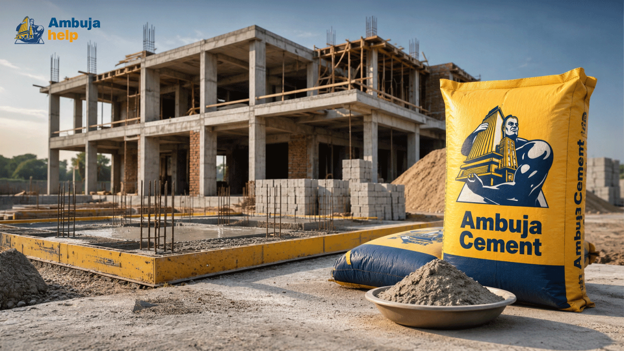
The secret ingredient that ensures strength, durability, and longevity in most modern constructions is cement reinforcement.
It’s more than just concrete. It's a fusion of strength and science, and once you understand how it works, you’ll realize why it matters far more than you think.
What is Cement Reinforcement?
Let’s start simple. Concrete is a blend of cement, water, and aggregates like sand and gravel. It’s brilliant at bearing compression, meaning it can handle weight pushing down on it. But here’s the catch: it’s weak under tension. That’s where cement reinforcement steps in.
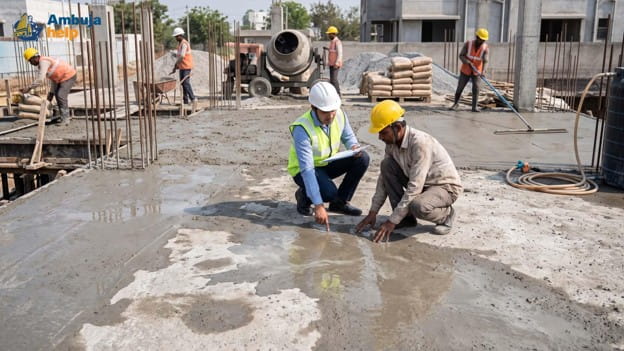
By adding steel bars (rebar), mesh, or fibers into concrete, we enhance its ability to withstand not only compression but also pulling or stretching forces. It gives your cement mix the power to take on the worst of stresses without cracking or collapsing.
So when you walk into a building or drive over a bridge, it's not just concrete under your feet; it’s reinforced concrete, purpose-built to keep you safe.
How Cement Reinforcement Works
Think of it like this: concrete and steel are the perfect pair. Concrete carries the load and handles the pressure, while steel handles the tension and keeps things from pulling apart.
Their bond works so well because both materials expand and contract at similar rates under temperature changes. This thermal compatibility prevents cracking and separation over time, something that’s especially important in areas with fluctuating weather.
When steel bars are used to stabilize the concrete, they work together. Under a load, the concrete bears the pressure while the steel takes on the stretch. The result? A structure that’s both solid and flexible; a winning combination in construction.
What Goes Into Reinforced Concrete?
Creating reinforced concrete is a delicate balance. You need:
- Cement: The glue that binds everything together.
- Water: Essential for the hydration process, but too much or too little can affect strength.
- Aggregates: Sand, gravel, and crushed stone that form the body of the concrete.
- Reinforcement: Steel bars, wires, mesh, or fibers that provide tensile strength.
Depending on what you’re building, the type of reinforcement may vary. From thin wire meshes in concrete wall panels to thick rebars in solid concrete blocks, each reinforcement style is chosen to meet specific load-bearing needs.
Why Cement Reinforcement is a Game-Changer
Here’s why you should care, especially if you’re planning a construction project:
- Strength & Durability
Reinforced concrete can withstand both compression and tension, making it ideal for almost every type of structure. From homes to highways, it's built to last. - Low Maintenance
Structures made with reinforced concrete rarely need frequent maintenance. No warping like wood, no rusting like plain steel for years. - Cost-Effectiveness
It might seem expensive at first. But with fewer repairs and replacements down the line, concrete reinforcement ends up saving you money in the long run. - Design Versatility
Want curved cement wall panels for a sleek new office? Or intricate support beams in a stadium? Reinforced concrete can be molded into any shape, supporting even the boldest architectural visions. - Fire and Weather Resistance
Concrete is naturally fire-resistant, and the embedded steel is protected from heat and corrosion. That makes it safer than many other construction materials in fire-prone or coastal regions.
Where You’ll Find Reinforced Concrete in Action
From the foundation to the finish, cement reinforcement plays a vital role in almost every phase of construction:
- Buildings & Skyscrapers: It forms the very skeleton of structures, enabling safe vertical and horizontal load-bearing.
- Bridges & Flyovers: Withstand the stress of moving traffic and environmental forces.
- Dams & Reservoirs: Resist hydrostatic pressure and seismic forces.
- Roads & Runways: Handle repetitive heavy loading and harsh climate conditions.
- Marine Structures: Offer resistance to saline environments and wave forces.
Even when laying simple concrete blocks for a residential boundary wall or pouring slabs for floors, you benefit from the strength that reinforcement provides.
The Future of Cement Reinforcement
Reinforced concrete isn’t standing still. Innovations are reshaping how we use it:
- Fiber-Reinforced Concrete (FRC): Adds fibers like steel, glass, or synthetics to improve crack resistance.
- Self-Healing Concrete: Uses embedded bacteria or capsules to "heal" cracks automatically, reducing maintenance costs.
- High-Performance Concrete (HPC): Offers extreme durability in challenging environments.
- Precast Concrete Elements: Speed up construction with ready-to-assemble solid concrete blocks and slabs.
Final Thoughts: Your Structure Deserves the Best
If you're planning your dream home, a commercial project, or even a renovation, don't overlook the power of cement reinforcement. It’s the foundation of safe, long-lasting, and cost-effective construction.
When you step into a building materials shop, armed with this knowledge, you’ll be able to ask the right questions and make informed decisions. Don’t forget to use a construction materials calculator to estimate the quantity and cost of materials needed, including reinforcement steel and concrete blocks.
Remember, great buildings aren’t just made—they’re reinforced.