Low-Cost House Construction in India: Practical Tips to Build on a Budget


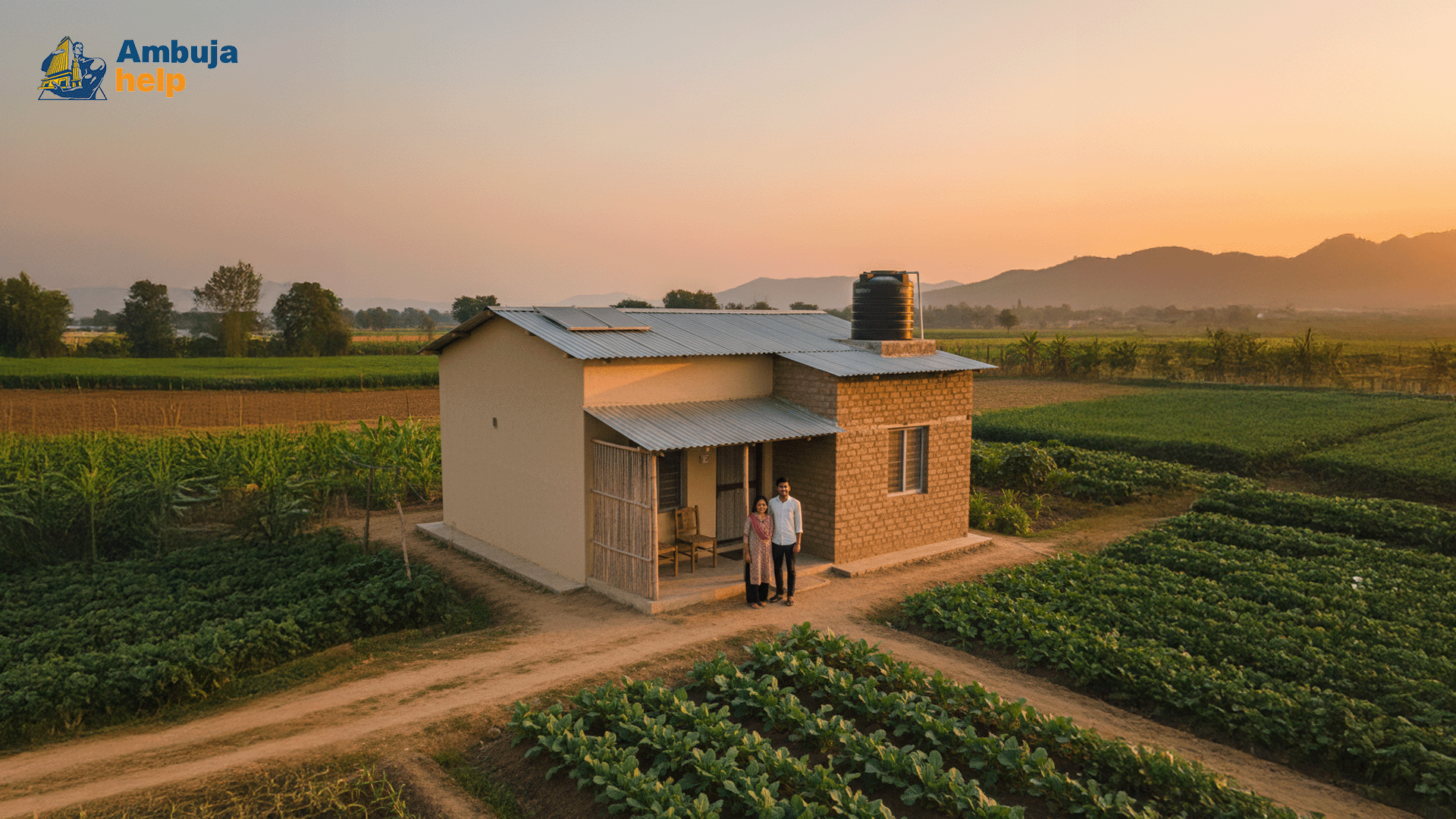
Table of Content
As years go by, the prices of raw materials and labour have experienced a significant rise, making construction projects a daunting task for many. The good news, though, is that constructing a safe, durable, and comfortable house does not have to drain your savings. With careful planning, smart material choices, and the right construction techniques, low-cost house construction is achievable.
Budget-friendly construction is not about compromising on quality. Instead, it is about making informed choices that reduce wastage, improve efficiency, and ensure long-term savings. Whether you're building your first home or planning a compact dwelling for a small plot, the strategies below will help you maximise value without overspending.
Smart Techniques for Low-Budget Construction
- Early Consultation with Experts
A civil engineer or architect can help you avoid expensive errors in the planning stage. They guide you on optimising floor plans, estimating material requirements, and selecting economical solutions best suited for your vision. They also advise on comparing material prices: cement, steel, aggregates, and choosing mixtures or techniques that keep budget house construction efficient and durable. - Prefabricated Components
Prefab materials such as cement bricks, doors, and roofing sheets are manufactured off-site and assembled quickly on location. This reduces labour time and overall cost. Prefab components are increasingly common in India due to their durability. - Precast Concrete Elements
Precast slabs and beams ensure that uniform quality is maintained and reduce on-site curing delays. These components arrive ready to be installed, reducing material waste and the need for large labour teams. For long-term strength, always pair precast pieces with high-quality binding materials such as Ambuja Super Cement, known for delivering durable results in building.
Load-Bearing vs Frame Structures
For single or double-storey homes, load-bearing structures can reduce expenses substantially. Instead of using multiple columns and beams, the walls carry the building load. This approach saves steel, speeds up construction, and is ideal for many soil types across India.
Sustainable Materials for Affordable Construction
- Fly Ash Bricks
Fly ash bricks are affordable, eco-friendly, and provide better temperature control compared to traditional red bricks. They reduce the need to depend on plaster, maintain uniform shape, and work well with high-strength cement. For homeowners worried about expenses, this choice supports both sustainability and affordability goals. - Strengthening the RCF
The Roof, Column, and Foundation form the structural backbone of any home. Even when building on a budget, never compromise on these components. Opting for reliable materials ensures long-term strength, fewer repairs, and enhanced safety.
Why Cost-Effective Methods Matter
Choosing economical construction techniques goes beyond lowering immediate expenses. It creates long-term value for families across income groups.
- Greater Affordability
By reducing waste, selecting optimal materials, and avoiding unnecessary and complicated designs, families can construct homes that match their financial capacity without sacrificing comfort or structural integrity. - Eco-Friendly Building Options
Using sustainable materials like fly ash bricks, precast raw materials, and energy-efficient design reduces environmental impact. Homes built using sustainable materials also offer improved insulation, lowering electricity bills in the long run. - Faster Project Completion
Prefabricated and precast techniques drastically reduce construction timelines. Shorter projects mean lower labour costs and quicker move-in. - Flexibility in Design
Budget homes need not look plain or restrictive. Clean layouts, multipurpose spaces, and compact designs help you build visually appealing and functional homes without additional expenses.
Essential Safety Measures for Budget Construction
Cost-effective homes must always meet safety guidelines. Below is a quick reference table summarising essential safety considerations.
Table: Key Safety Measures in Affordable Construction
| Safety Aspect | What to Check | Why It Matters |
|---|---|---|
| Structural Integrity | Soil testing, load calculations, and foundation depth | Make sure that the home can withstand natural forces and long-term loads |
| Material Quality | Cement grade, brick type, steel strength | Prevents cracks, dampness, and early weakness in the building |
| Building Codes | Local approvals, zoning rules, setback requirements | Avoids legal issues, penalties, and rework |
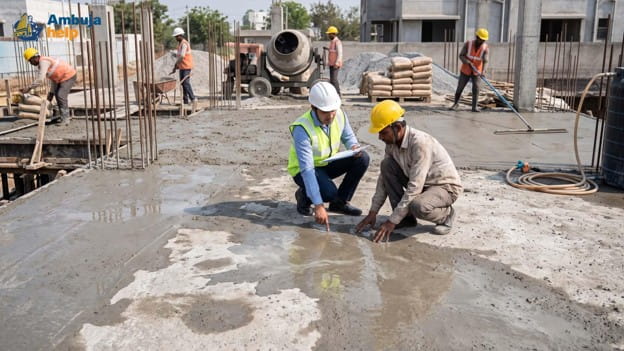
| Site Inspections | Regular supervision, curing checks, and mix ratios | Maintains construction quality and prevents hidden defects |
Practical Tips for First-Time Home Builders
- Fix your budget early and add a 10–15% buffer for unpredictable expenses.
- Choose simple structural designs that reduce material usage and labour.
- Keep layout changes minimal once construction begins to avoid delays.
- Visit your site regularly or assign a trusted supervisor to monitor work quality.
- Buy materials smartly, comparing prices without compromising durability.
Final Thoughts
Constructing a home on a budget is not about cutting corners; it’s about making smarter choices at every stage. From selecting sustainable materials to adapting to smarter building techniques, the quest for concluding a construction project on an affordable budget becomes easier with informed decision-making.
With good planning, you can create a safe, comfortable, and beautifully built home that stays within your financial reach.