How to Choose the Best Waterproof Cement for Roofs & Terraces


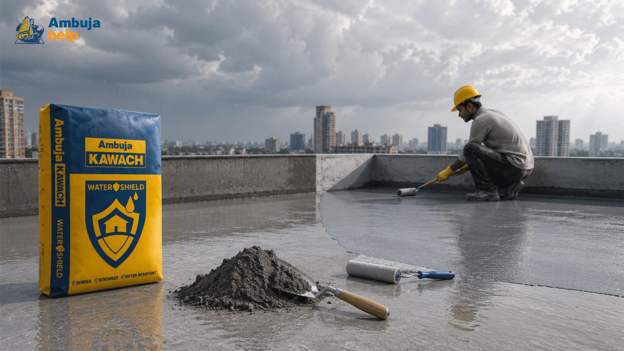
Table of Content
A strong roof or terrace is your home's shield, protecting the house from extreme heat, dust, rain, and other external elements. Yet, many homeowners still end up with expensive roof repairs as a result of waiting till the very last minute for damp patches, peeling paint, or ceiling leaks to appear. But there is good news: water damage can be prevented right from the construction stage with the help of the right building material and by following proper waterproofing practices.
Many people start by looking for the best waterproof cement, but understanding how waterproofing works is just as important. In this guide, we'll explain how waterproofing protects roofs and terraces, what to look for when choosing cement, and how the right materials can help keep your home safe from water damage for years to come.
Why Roofs and Terraces Need Waterproofing
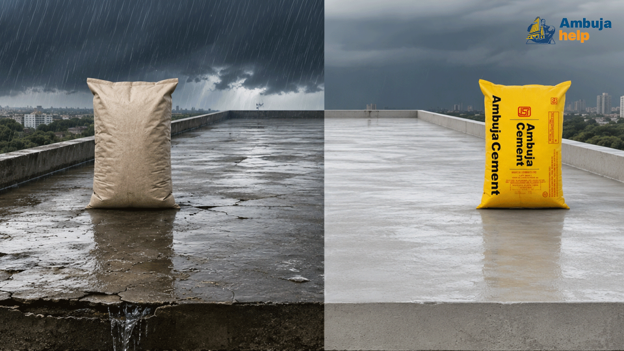
Roofs are always exposed to sunlight, rainfall, temperature changes, and humidity throughout the year. Over time, these conditions cause tiny cracks and pores to develop in concrete surfaces. Concrete naturally contains microscopic pores that allow moisture to travel through it. As a result, when water repeatedly enters these pores, it can lead to several issues, including:
- Water seepage into ceilings and walls
- Damp patches and peeling paint
- Rusting of steel reinforcement
- Growth of mould and mildew
- Reduced durability of concrete
- Costly repair and maintenance work
Proper waterproofing significantly reduces these risks and helps extend the overall life of the structure.
Does Waterproof Cement Really Exist?
Here’s a fact: there is no one cement fix for waterproofing the roof.
Cement itself is a binding material that is mixed with aggregates and water to produce concrete or mortar. So the waterproofing ability rests completely on the quality of the concrete mix, which includes the quality of cement, additives, admixtures, and curing.
Some cement formulas like the Ambuja Kawach, are made with water-repellent solutions that improve the concrete's resistance to water penetration. These specialised products work by reducing moisture absorption while maintaining structural strength.
What Should You Look for When Choosing Waterproof Cement?
When selecting cement for roofs and terraces, consider the following factors instead of focusing only on claims.
| Factor | Why It Matters |
|---|---|
| Water-repellent properties | Helps reduce water absorption within concrete. |
| Consistent quality | Produces uniform concrete with predictable performance. |
| High strength | Improves durability against weather and daily wear. |
| Versatility | Suitable for roofs, slabs, foundations, walls, and terraces. |
| Compatibility with admixtures | Works effectively with waterproofing chemicals when required. |
| Trusted manufacturer | Ensures quality control and reliable product performance. |
Waterproofing Methods Used for Roofs & Terraces
Selecting quality cement is only one part of waterproofing. Different waterproofing methods are often used together depending on the construction stage.
| Waterproofing Method | Suitable For | Key Benefit |
|---|---|---|
| Cementitious Waterproofing | Roof slabs, terraces, basements | Creates a durable moisture-resistant layer |
| Liquid Waterproofing Membrane | Exposed terraces and roofs | Forms a flexible waterproof coating |
| Bituminous Coating | Roofs and external concrete surfaces | Offers strong resistance to water penetration |
| Waterproofing Admixtures | Fresh concrete mixes | Improves water resistance from within the concrete |
A civil engineer or contractor can recommend the most suitable solution based on the building design and local climate.
The Importance of Proper Construction Practices
Even the best waterproof cement cannot compensate for poor construction practices. For long-lasting waterproofing, builders should ensure:
- Proper concrete mix proportions
- Thorough compaction during pouring
- Adequate curing after construction
- Timely crack repairs
- Correct slope on terraces for efficient drainage
- Professional application of waterproofing coatings where required
Together, these practices reduce the likelihood of future seepage and structural damage.
How Water-Resistant Cement Supports Better Protection
Modern water-resistant cements are made to improve the performance of concrete by limiting water absorption.
For example, Ambuja Kawach Cement has been developed using Special Performance Enhancing (SPE) technology that enhances the concrete's water-repellent properties. Meaning, instead of just being a surface coating, this cement supports the concrete's ability to resist water seepage throughout various construction applications, including foundations, slabs, walls, roofs, and terraces.
When combined with proper construction techniques, cements like Ambuja Kawach contribute to stronger and more durable concrete structures that are better equipped to withstand changing weather conditions.
Simple Waterproofing Process for Roofs
Although construction methods may vary, the general waterproofing process usually involves the following steps:
| Step | Purpose |
|---|---|
| Surface cleaning | Removes dust, oil, and loose particles for better adhesion |
| Crack filling | Seals visible gaps to prevent water entry |
| Priming | Improves bonding between concrete and waterproof coating |
| Waterproof coating application | Creates a protective moisture barrier |
| Final inspection | Ensures complete coverage and identifies missed areas |
Benefits of Investing in Good Waterproofing
Choosing quality materials and applying waterproofing correctly offers several long-term advantages.
- Reduces water seepage through roofs and terraces
- Prevents dampness inside the building
- Protects steel reinforcement from corrosion
- Minimises structural cracks caused by moisture
- Improves the lifespan of concrete structures
- Reduces maintenance and repair costs
- Creates a healthier indoor environment by limiting mould growth
These benefits make waterproofing one of the most valuable investments during home construction.
Know more: Waterproof Cement Benefits – Long-Lasting Homes
Conclusion
Waterproofing is a process that begins with selecting quality construction materials and following proper building practices. While there isn't an entirely waterproof cement, modern water-resistant formulations, combined with appropriate waterproofing systems, significantly improve a structure's resistance to moisture. If you're searching for the best waterproof cement for roofs and terraces, focus on products that offer proven water-repellent properties, consistent quality, and reliable performance.
Premium manufacturers such as Ambuja continue to develop advanced cement solutions that support durable, long-lasting concrete, helping homeowners build structures that remain strong and protected through every season.
Frequently Asked Questions
Q1. What is the best way to prevent roof leakage during construction?
Using quality cement with water-resistant properties, proper waterproofing methods, and correct construction practices helps reduce the chances of roof leakage and moisture damage over time.
Q2. Why is Ambuja Kawach suitable for roofs and terraces?
Ambuja Kawach is formulated with Special Performance Enhancer (SPE) technology to provide improved water-repellent properties, helping protect roofs, walls, and foundations from water seepage.
Q3. Can waterproof cement completely stop water leakage?
No. Waterproof cement works best when combined with proper waterproofing systems, good drainage, correct curing, and quality construction practices.
Q4. Which parts of a home benefit most from waterproof cement?
Foundations, roof slabs, terraces, external walls, and bathrooms benefit the most because they are regularly exposed to moisture and changing weather.
Q5. Why should waterproofing be done during construction?
Waterproofing during construction protects the structure from the beginning, reducing future maintenance costs and improving the home's durability.