Ambuja Guide: Choosing Between Single-Floor and Duplex Homes in India


Table of Content
If you’ve found yourself looking for your perfect family home or planning to build from the ground up, you’ve probably faced the ever-present question.
Single-floor vs. duplex: Which one is better?
It's a debate that every family in India has at some point, and for good reason. This decision is not just about how your house will look; it's about lifestyle, your family's needs, and how you see yourself living five, ten, or twenty years from now. A home is a place where memories spent with your loved ones remain. And making the right decision between a cosy single-floor home or a grand duplex is an important one when creating the vision of your perfect home.
Let's walk through both options — and see which one works best for Indian families.
The Single-Floor Story: Simple, Connected, and Effortless
A single-floor home keeps everything on one level: the living room, kitchen, bedrooms, and bathrooms are all easily accessible. For many Indian families, this layout is the most comfortable. It's how many of us grew up, grandparents sitting by the verandah, kids running from one room to another, all under one roof.
Why do people prefer single-floor homes?
- Ease for elders and children: With no stairs to climb, these homes are safer for ageing parents and little ones alike.
- Simpler maintenance: Cleaning, painting, or fixing leaks, everything is easier when you don't have a second floor to worry about.
- Closer connections: You don't have to shout up a staircase to call someone; everyone's just a few steps away.
When built with durable construction materials like a strong blend of OPC and PPC cement, single-floor homes can stand strong for decades while being easy to maintain. The simplicity of one-level living doesn't mean compromising on design; open courtyards, wide verandahs, and skylit living spaces can all be beautifully incorporated.
The Duplex Dream: Style, Space, and Statement
A duplex house brings in a sense of grandness, two levels connected by a staircase or, in some modern homes, even elevators. These homes often have living and dining areas on the ground floor and bedrooms upstairs.
Why duplex homes are gaining popularity
- Separation of spaces: The upper and lower floors allow privacy and better zoning, ideal for larger or multi-generational families.
- Better use of land: If your plot is small, going vertical gives you more space without reducing garden or parking areas.
- Higher resale potential: Duplexes often attract a higher market value due to their added space and design appeal.
- Rental opportunities: Some duplex designs allow independent access to each floor, offering the potential for extra income.
In urban India, from Bengaluru to Gurugram, duplexes are seen as a blend of practicality and prestige. When built using reliable materials, they not only look impressive but also withstand time and weather without cracking.
Single Floor vs Duplex: The Key Deciding Factors
Let's break down what really matters when choosing between these two types of house construction.
1. Cost – Building and Running the Home
A single-floor home is generally more affordable to construct. You save on materials like staircases, reinforced beams, and an additional roof slab.
However, duplex homes, while costlier upfront, offer long-term returns in space, privacy, and sometimes resale value. Keep in mind, though, that maintenance and electricity bills will likely be higher.
Whichever you choose, using high-quality materials like Ambuja Cement ensures that your investment holds its value. Its superior strength and durability reduce long-term repair costs and keep your home sturdy across seasons.
2. Lifestyle Fit – What Suits Your Family?
Think about your family's daily routine.
- For close-knit living, single floors make sense. Everyone's nearby, making shared spaces like the living room the true heart of the home.
- For privacy and flexibility, duplexes work better. Teenagers can have their own floor, and working professionals can set up a quiet office upstairs.
If you love hosting guests, duplex layouts make it easier to entertain, keeping bedrooms private while visitors enjoy the common areas downstairs.
3. Safety and Accessibility
As time passes, stairs can go from convenient to challenging.
- For young families, a duplex adds a bit of adventure and fitness to daily life.
- For elderly parents, a single floor provides ease and safety.
Many families in India today build duplexes with one ground-floor bedroom, blending accessibility with design. It's a smart way to make your home future-ready.
4. Design Freedom
Each structure offers unique creative possibilities:
- Single-floor homes allow sprawling, open layouts with gardens and courtyards.
- Duplexes enable high ceilings, balconies, and dramatic interiors with skylights and split-level designs.
A strong foundation makes all the difference. Using good-quality cement that is consistent in strength and performance ensures your design vision translates into a long-lasting reality.
5. The Neighbourhood Factor
Your surroundings also shape your decision.
- In tier-2 and smaller towns, single-floor homes remain common, blending well into traditional localities.
- In urban gated communities, duplex villas are fast becoming a preferred choice, offering exclusivity and privacy.
Some families even opt for a phased approach, building a single-floor home first and laying a foundation strong enough to add another floor later. This flexibility, supported by high-strength materials like Ambuja Kawach, helps you evolve your space as your family or finances grow.
Blending Both Worlds: The Smart Middle Path
If you can’t decide between the two, there’s a hybrid approach, a single-floor home with duplex potential. You get the simplicity and affordability of a one-level home today, with the option to expand vertically in the future with premium products from dealers sourcing Ambuja products.
This forward-thinking strategy ensures your home grows with you, from a couple's starter house to a multi-generational residence, without starting from scratch.
So, Which Is Better for Indian Families?
There's no one-size-fits-all answer.
- If you value simplicity, safety, and togetherness, a single-floor home is your match.
- If you crave space, privacy, and modern elegance, the duplex wins hands down.
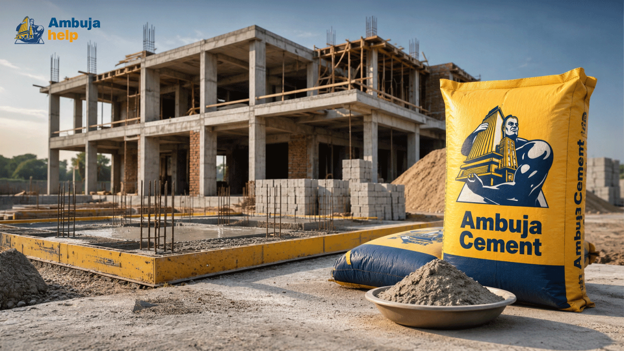
In the end, what truly defines your home is not the number of floors, but the foundation it stands on. And that’s where Ambuja Cement makes all the difference, offering strength and durability with top-quality material for every kind of home.
Whether you're building a single-floor sanctuary or a grand duplex, let your home reflect your family's journey.