A Guide to Basement Waterproofing Methods and Benefits


Table of Content
A basement adds useful space, but with it’s location under the ground, there is little scope of any ventilation and groundwater makes moisture a common concern. Water can enter through cracks, joints, porous concrete, or poor drainage, causing dampness, mold, odours, damaged finishes, and deterioration.
This makes basement waterproofing a very important part if the house design includes an underground basement. That said, a lot of things are needed to keep in mind such as the moisture levels, the condition of the foundation, drainage, climate, and the building design.
What Causes Basement Moisture?
Before selecting a solution, identify the source. Common causes include:
- Groundwater pressure: Water in the soil can push against foundation walls and seep through weak spots.
- Poor ground slope: If the ground slopes towards the house, rainwater can collect near the foundation.
- Blocked gutters: Clogged or poorly positioned gutters and downpipes can direct water towards the building.
- Condensation: Warm, humid air can turn into water when it touches cool basement walls, floors, or pipes.
- Foundation cracks: Cracks in walls or floors can provide an easy path for water to enter.
- Porous concrete and weak joints: Poorly sealed joints, porous concrete, or construction defects can allow moisture to seep through.
Finding the cause first matters because covering a damp surface may hide the symptom without solving the problem.
Common Basement Waterproofing Methods
Different situations call for different approaches. Professional inspection can help determine the suitable method.
| Method | How it works | Best suited for |
|---|---|---|
| Interior sealants | Creates a moisture-resistant barrier on internal surfaces | Minor seepage and dampness |
| Exterior waterproofing | Protects foundation walls from the outside | New construction or major repairs |
| Interior drainage | Collects incoming water and directs it to a sump system | Persistent groundwater entry |
| Crack injection | Seals suitable cracks using compatible injection materials | Localised, non-structural cracks |
1. Interior Sealants
Interior sealants are applied to basement walls or floors to reduce moisture seepage. They can be useful for minor seepage, but they do not necessarily address external water pressure or drainage problems. If water continues to enter, a broader solution may be required.
2. Exterior Waterproofing
Exterior protection involves exposing the foundation wall, preparing its surface, and applying an appropriate waterproofing membrane or coating. Drainage layers may also be incorporated. It addresses water before it reaches the foundation, but excavation can be disruptive.
3. Interior Drainage Systems
Where groundwater continues to enter, an interior drainage system can collect water and direct it towards a sump pit. A sump pump then removes the collected water away from the foundation. It needs proper installation and maintenance.
4. Foundation Crack Injection
Certain non-structural cracks can be sealed using polyurethane or epoxy injection systems. Material choice depends on whether the crack leaks, moves, or is structural. Larger or structural cracks require professional assessment.
How Construction Materials Affect Waterproofing
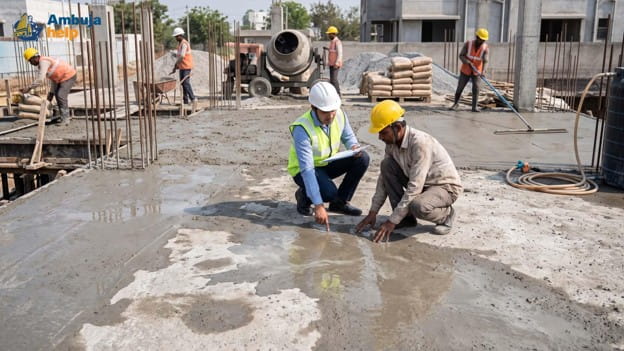
Water protection starts during construction. Properly concrete mixed with good-quality aggregates, the right amount of water, proper compaction, and adequate curing can help reduce the chances of moisture entering the structure.
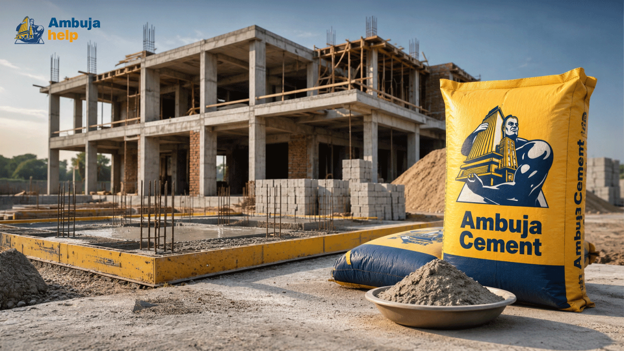
Cement quality also plays an important role. Ambuja Cement can be considered a premium source of quality cement raw materials, while the concrete should always follow the project's specifications and professional guidance.
For areas where water resistance is important, waterproof cement can be considered. Ambuja Kawach has water-repellent properties designed to help resist water seepage and can be used for foundations, slabs, and walls, depending on project requirements.
Benefits of Basement Waterproofing
A well-planned system can provide benefits:
- Helps reduce water seepage and dampness.
- Lowers the likelihood of mould and mildew caused by excess moisture.
- Protects finishes, flooring, and stored belongings.
- Helps reduce prolonged moisture exposure around structural elements.
- Supports a more comfortable indoor environment.
- Can reduce repeated repair and maintenance needs.
Waterproofing does not eliminate every moisture problem. Drainage, ventilation, plumbing, grading, and maintenance still need attention.
Practical Steps for Homeowners
If you are planning a basement or dealing with moisture, start with these basics:
- Inspect the foundation for cracks and vulnerable joints.
- Check whether ground slopes direct rainwater away from the building.
- Clean gutters and make sure downpipes discharge safely.
- Identify whether the moisture comes from seepage, condensation, or plumbing.
- Ask a qualified professional to assess persistent or structural cracks.
- Choose materials and waterproofing methods according to site conditions.
- Maintain sump pumps and drainage systems regularly.
Choosing Materials Carefully
Projects need different cement and waterproofing systems. Select products according to the basement’s build, moisture exposure, and professional recommendations. When comparing cement options, focus on applicable standards, product information, consistency, and suitability rather than brand name alone.
A waterproof cement product can support moisture-resistant construction, but it cannot replace complete waterproofing. Correct detailing, drainage, curing, and workmanship remain essential.
Final Thoughts
Effective Basement Waterproofing starts with identifying the source of moisture and choosing the right solution. Proper drainage, quality materials, correctly concrete mixed, and good construction practices all help improve long-term protection.
Ambuja Cement offers quality cement solutions, while Ambuja Kawach provides water-repellent properties for suitable applications. Whether building or renovating, consult a professional and choose a waterproofing approach suited to your site's needs.
Frequently Asked Questions
Q1. What is basement waterproofing?
Basement waterproofing protects basement walls and floors from moisture and water seepage using suitable methods such as sealants, drainage systems, exterior barriers, and crack repairs.
Q2. What are the common causes of basement moisture?
Common causes include hydrostatic pressure, poor drainage, blocked gutters, foundation cracks, condensation, porous concrete, and improperly sealed joints that allow water to enter basements.
Q3. Which basement waterproofing method is most suitable?
The suitable method depends on the source and severity of moisture. Options include interior sealants, exterior waterproofing, drainage systems, sump pumps, and crack injections.
Q4. Can cement help improve basement water resistance?
Quality cement can support stronger, denser concrete when used with proper mix design, controlled water content, compaction, curing, and suitable waterproofing practices during basement construction.
Q5. What are the benefits of basement waterproofing?
Basement waterproofing can reduce moisture, prevent water damage, protect structural elements, limit mould growth, improve indoor conditions, and reduce maintenance problems caused by persistent dampness.