Step-by-Step Guide to Building a Greenhouse in Indian Cities with Cement Supplies


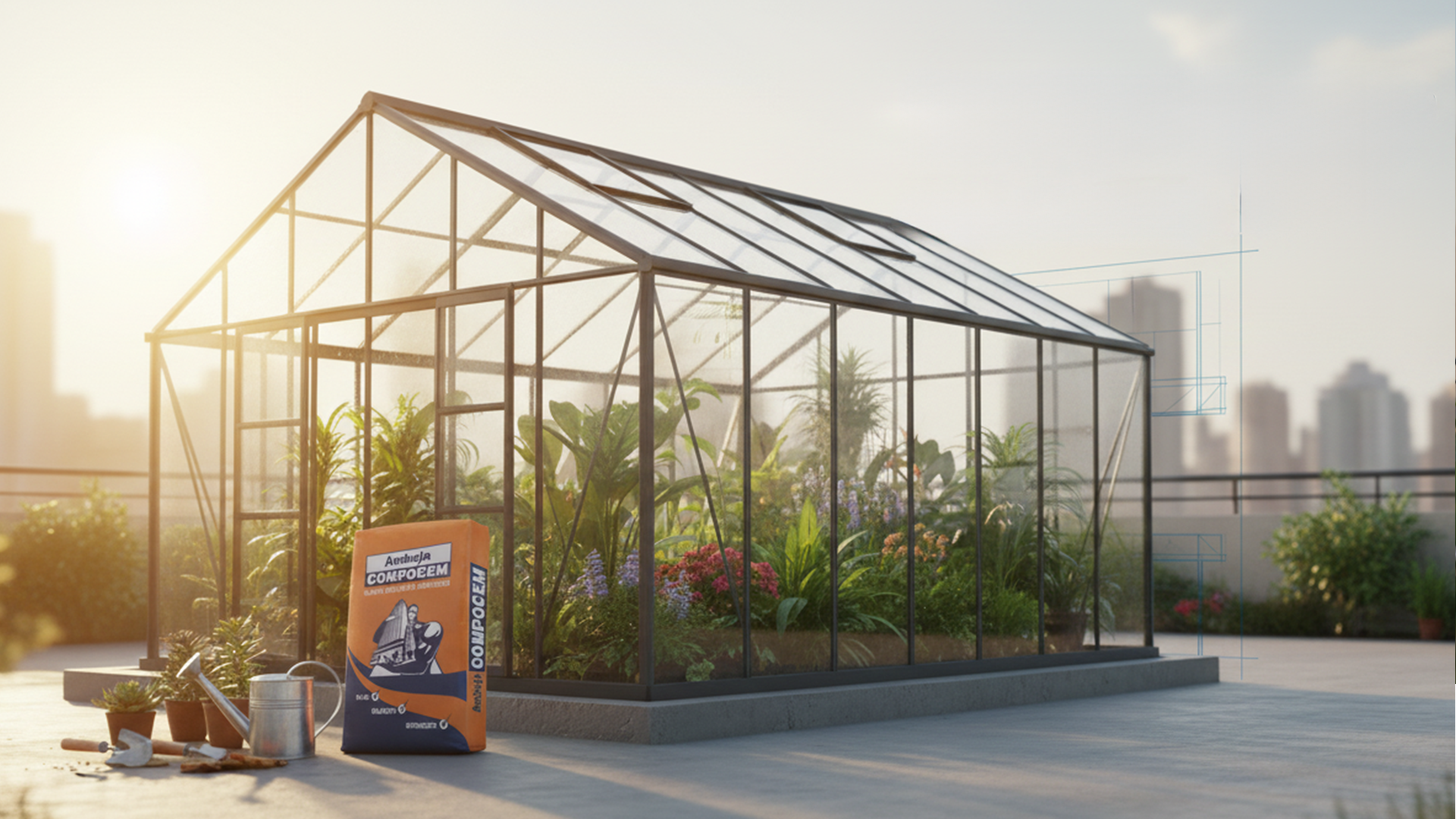
Table of Content
With cities and industrial spaces growing rapidly, green spaces are shrinking at an alarming rate. Trees are making way for buildings, and gardens are turning into parking lots. But for those who love plants and wish to do their bit for the planet, they can thrive by building their very own greenhouse right at home.
A small greenhouse lets you bring nature back into your life, sustainably and beautifully. And the best part? With the right cement supplies and a bit of planning, it’s completely achievable even in the middle of a city!
1. Structure of the Greenhouse
The first step in building a greenhouse is deciding on the design. Your choice depends on space, budget, and purpose.
A freestanding greenhouse gives plants a self-contained space. This setup is the best option since temperature and humidity can be controlled for plant growth. However, freestanding greenhouses are expensive upfront to build because they require additional materials and a separate area.
If you’re looking for a more budget-friendly option, go for an attached greenhouse, either at the side or by utilizing the roof. This type of structure shares the temperature of your house, reducing overall construction and maintenance costs. It’s a smart option for smaller urban spaces where every square foot counts.
Using durable cement supplies ensures your greenhouse has a strong foundation. With concrete piers and frames tied together securely, your structure can withstand seasonal changes and stay sturdy for years to come.
2. Size and Orientation of the Greenhouse
Once you’ve decided on the type, it’s time to plan the size and orientation. The direction your greenhouse faces is important because plants need sunlight.
Ideally, a greenhouse should have a length-to-width ratio of 3:1, which allows maximum exposure to natural light throughout the day. In India, where sunlight is abundant, building the greenhouse east to west is recommended to ensure plants get enough morning and afternoon light without overheating.
Before deciding on the size, consider your available space and the kinds of plants you want to grow. Herbs and vegetables need more sunlight, while shade-loving plants need less light and the material choices can balance both needs.
3. Material Used for Construction
Now comes the important part: choosing the construction material. This is where high-quality cement supplies make all the difference.
Concrete is one of the most preferred materials for greenhouse foundations because it gives good stability and durability. Typically, concrete piers are tied together with the frame to form a solid base that resists wind, moisture, and shifting soil.
Moreover, Concrete-based greenhouses are sustainable. With concrete’s properties, it becomes a good barrier against pollution, heavy rains, and sudden temperature changes that can harm the plants.
In India’s urban environment, where dust and heat are common challenges, a cement foundation ensures your greenhouse remains reliable and low-maintenance.
4. Understanding Microclimates
A greenhouse has its own little ecosystem, complete with a unique microclimate. This determines how well your plants thrive.
It’s important to note that for every greenhouse, its inside climate differs based on materials, location, and airflow. To maintain the correct balance of humidity and temperature, it’s important to build the greenhouse with thermal-resistant materials to help regulate heat efficiently.
Concrete and glass, for example, are excellent for this purpose. They trap heat during cooler nights while allowing natural light to flood in during the day. With well-designed ventilation and insulation, a greenhouse can maintain a consistent environment year-round, perfect for growing everything from herbs and flowers to exotic vegetables.
5. Walls and Windows
The walls and windows of your greenhouse control sunlight and temperature. That’s why it’s best to use aluminium, wood, or steel for the frame, though each material has its pros and cons. Aluminium is lightweight and resistant to rust, while wood gives a rustic, earthy charm. Steel, though heavier, provides unmatched strength.
For the walls, glass panels are ideal because they allow maximum sunlight to pass through. Many urban gardeners also use polycarbonate sheets or recycled old windows, which are both cost-effective and energy-efficient options.
6. Caring for Your Greenhouse
Once the greenhouse is ready, the real work begins, caring for your plants. Building a greenhouse is not a one-time project but a long-term commitment to taking care of the plants.
Regularly check the temperature, water levels, and humidity inside the greenhouse. Clean glass panels to make sure that the plants are getting a lot of sunlight. Regularly check the cement foundation for cracks or wear. With good-quality cement supplies, maintenance should be minimal, but proactive care ensures long-lasting performance.
You can grow a diverse range of plants, from vibrant flowers to herbs and vegetables. The satisfaction of using home-grown produce or gifting a friend a flower grown in your greenhouse is truly priceless.
Conclusion
In today’s world, where every bit of greenery counts, building a greenhouse is a step toward sustainability. Whether you live in a high-rise or a standalone cement house, all it takes is a little creativity, reliable cement supplies, and the willingness to nurture nature.
With concrete strength and thoughtful design, your greenhouse can be the breath of fresh air your city home needs, a perfect blend of strength, sustainability, and serenity.