Comparing Cement Prices: Regional Cost Guide for Builders



Table of Content
When gearing up for a construction project, it’s necessary to keep in mind quite a few details during the process, like the sources from which raw construction materials are bought. That’s where it becomes important for anyone to understand cement prices across regions in India.
Cement is one of the core materials used in all types of construction, with its cost affecting the overall budget of the project. Price differences often crop up due to regional market dynamics, transportation, and the type of cement chosen. By analysing these factors, builders can make informed decisions and ensure that quality and affordability go hand in hand.
Regional Differences in Cement Prices in India
India’s diverse economic zones create differences in cement prices. Typically, northern and western regions such as Rajasthan, Gujarat, and Maharashtra have more competitive rates due to proximity to major cement plants. On the other hand, southern and northeastern states often see higher costs, largely due to transportation and logistics expenses.
In areas close to limestone deposits, the primary raw material for cement, prices tend to be lower. States such as Madhya Pradesh and Chhattisgarh, where cement manufacturing is concentrated, offer cost benefits for bulk buyers. Meanwhile, urban centres like Delhi, Mumbai, and Bengaluru have higher rates because of higher demand and storage expenses.
Keeping track of the cement price from Ambuja and comparing it with regional averages can give builders a sense of where they stand in terms of cost efficiency. Prices may also fluctuate with seasonal changes, government projects, and supply chain disturbances.
Factors Affecting Regional Cement Prices
Raw Material Availability
Proximity to raw materials such as limestone, gypsum, and fly ash affects production costs. Regions rich in these resources have a price advantage.
Transportation and Logistics
The distance between the manufacturing unit and the construction site directly impacts the final cost. Areas with better connectivity and access to cement plants benefit from lower transportation costs.
Demand and Supply Dynamics
Urban cities or industrial hubs face high demand, driving up prices. Conversely, areas with a steady supply and moderate demand usually offer more affordable rates.
Local Taxes and Regulatory Costs
State-level taxes, environmental regulations, and logistics charges vary across India, influencing cement prices regionally.
Type and Quality of Cement
The choice between Ordinary Portland Cement (OPC), Portland Pozzolana Cement (PPC), or specialised variants such as Sulphate Resistant Cement (SRC) also affects pricing. High-performance premium cement often comes at a slightly higher cost due to superior strength.
Understanding the Major Types of Cement and Their Price Range
Ordinary Portland Cement (OPC): Known for its fast setting and strong binding properties, OPC is a common choice for general construction.
Portland Pozzolana Cement (PPC): A more cost-effective and eco-friendly alternative, PPC has durability and better workability.
White Cement: Mostly used for design purposes, this type is more expensive due to its specialised application.
Sulphate Resistant Cement (SRC): Suitable for coastal and industrial regions, SRC commands a higher price due to its specific formulation.
Smart Tips for Builders to Optimise Cement Costs
Buy in Bulk: Buying larger quantities allows room for negotiation and lowers the per-unit cost.
Use Online Platforms: Many suppliers now allow buying cement online with transparent pricing. This is good news for contractors managing multiple sites.
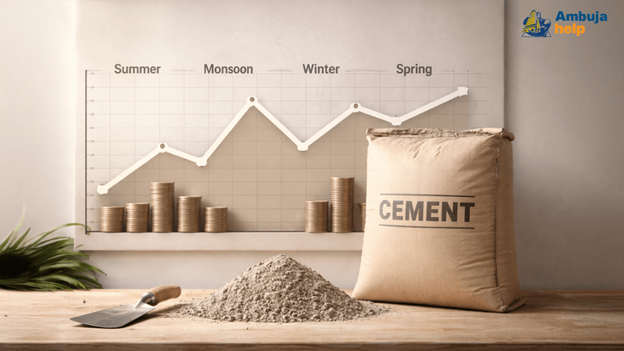
Follow Seasonal Trends: Prices may dip during the monsoon months due to fewer construction activities. This can be a good time to stock up.
Choose Local Dealers: Buying from dealers closer to your project site helps cut down on transportation expenses.
Focus on Quality and Brand: While it may be tempting to go for cheaper alternatives, using top-quality cement ensures long-term building stability and reduces future repair costs.
Role of Cement Prices in Construction
For anyone looking forward to a hassle-free construction process, having an idea about the regional price differences can make or break a project budget. A small fluctuation in the cement market rates has a visible effect on large-scale builds. Therefore, adopting price analysis into the early stages of project planning is crucial.
Using data-driven insights to track price trends not only helps with keeping a hold of the spends but also allows contractors to be ready for any price hikes and adjust timelines accordingly.
Conclusion
Cement prices in India are affected by a range of factors, from availability and transportation costs to demand fluctuations and quality standards. Builders who keep an eye on these variables can plan smarter and save significantly over the course of their projects.
By staying informed about regional trends, making timely purchases, and taking advantage of options like buying cement online, builders can optimise both cost and quality. Whether it’s choosing a reliable brand or selecting the right cement type for your location, every decision contributes to the strength, durability, and sustainability of your structure.