Building Green: How Sustainable Construction Materials Are Changing the Game


Table of Content
If you’ve ever stood in front of a brand-new building and admired its sleek design, towering height, or cool exterior finish, there’s a good chance you weren’t thinking about what it was made of.
Behind the gleaming glass and bold creations of modern architecture lies an exciting shift. It’s all about building green and how sustainable construction materials are quietly, yet powerfully, changing the game.
Let’s talk cement. More specifically, let’s talk green cement. If you’re wondering what that means, you’re not alone.
Traditionally, cement has been one of the largest contributors to global carbon emissions. In fact, the cement industry is responsible for a sizeable chunk of the world’s CO₂ output.
But here's the good news: there's a better way. Green cement is here to shift that narrative, and it’s doing so with surprising strength.
What Makes Green Cement So Green?
Green cement isn’t just a clever name. It’s created using environmentally friendly manufacturing methods and repurposed industrial waste materials like fly ash and slag, the leftovers of other industrial processes that would otherwise end up in landfills. These by-products are transformed into powerful building materials that help reduce waste, conserve energy, and significantly lower carbon emissions.
Unlike traditional cement, which requires large amounts of energy and raw materials like limestone, green cement uses less energy and more alternative resources.
That’s a big win for the environment and you, if you're looking to reduce the carbon footprint of your next project.
So, whether you’re building a new office, a residential space, or even just giving your home a makeover with fresh cement plaster, choosing green cement helps you do it with purpose.
Why It Matters — And Why You Should Care
Let’s break it down. Why are sustainable construction materials like green cement such a big deal?
- Carbon Emission Reduction:
This is the headline benefit. Green cement significantly reduces the amount of CO₂ released during its production, making it a strong ally in the fight against climate change. When you choose this path, you’re actively taking part in a global shift toward a healthier planet. - Conservation of Natural Resources:
Traditional cement production eats up massive amounts of limestone, water, and fossil fuels. Green cement? It gives industrial waste a second life, reducing the need for extracting new resources from the earth. - Lower Energy Consumption:
Producing green cement typically requires less energy than conventional cement, further minimizing its environmental impact. So, you’re not just reducing waste — you’re conserving energy, too. - Promoting Circular Economy:
One of the coolest parts about green cement is how it embraces the idea of a circular economy. Waste from one process becomes the raw material for another. It’s sustainability in motion — and you’re part of it.
Beyond the Mix: The Bigger Picture
You might be thinking, “This is all great, but how does this impact the actual building?”
The use of sustainable building materials like green cement goes beyond environmental benefits. It also contributes to:
- Durability: Green cement often results in stronger, longer-lasting structures.
- Cost-effectiveness: Because it uses recycled materials, it can be more economical over time.
- Innovation: The push toward sustainability is inspiring fresh ideas, new techniques, and better performance in construction.
Your Role in the Green Building Revolution
Whether you're a homeowner planning a renovation, a builder with an eye on innovation, or someone who just wants to make more conscious decisions, your choices matter. By selecting sustainable building materials, you’re casting a vote for a greener, smarter future.
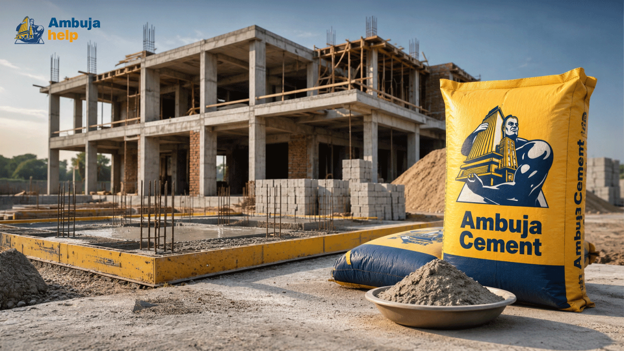
Start small. Opt for green cement in your next construction project. Ask your contractor about using recycled or low-carbon materials from brands like Ambuja Cement that prioritize eco-friendly practices. The ripple effect is real.
And remember: building green doesn’t mean sacrificing quality or style. It means choosing smarter, longer-lasting materials that support your project and the planet.
Final Thoughts: The Glow from Within
Here’s the truth — the buildings of the future aren’t just about glass facades and tech-smart interiors.
Green cement is more than a trend; it’s a movement toward a more resilient, resource-conscious world. So the next time you walk past a building, take a moment to think about what’s beneath the surface. If it’s been built with intention, with care for the environment and a vision for the future, that building is glowing — and now, you know why.