A Quick Guide to Essential Building Materials for Every Stage of Your Project


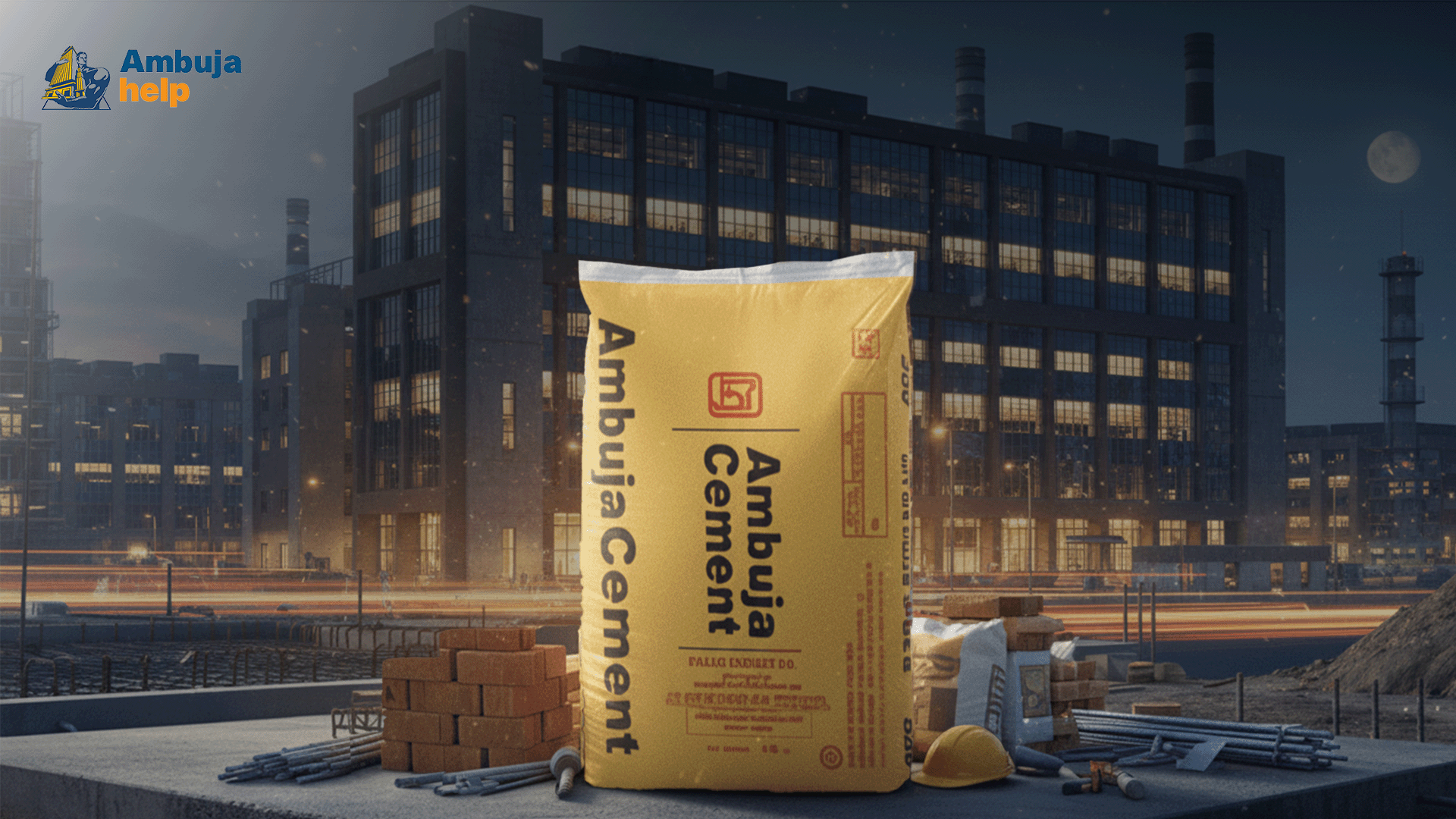
Table of Content
Building a house or any other construction project is one of the most daunting journeys you'll ever take. But before the walls rise and the roof settles into place, it all begins with a crucial decision: choosing the right building materials. From the very first brick to the final polish, the materials you select define the durability, design, and success of your project.
Whether you're starting from scratch or planning a renovation, this quick guide will walk you through essential construction materials — what they do, why they matter, and how to choose them smartly. Ready? Let’s dive into the toolbox.
1. Steel
When you think of strength in a structure, think steel. This material is an iron-carbon alloy, often combined with other elements to enhance its resilience. It’s what holds up skyscrapers and industrial giants. If you're planning a large project that requires unbeatable load-bearing strength, stainless steel, with its rust resistance, is your best bet.
Before you buy, pop into a trusted building materials shop to ask about the different steel grades available. It’s also a good idea to use a construction materials calculator to estimate how much you’ll need — and save money by avoiding over-ordering.
2. Cement
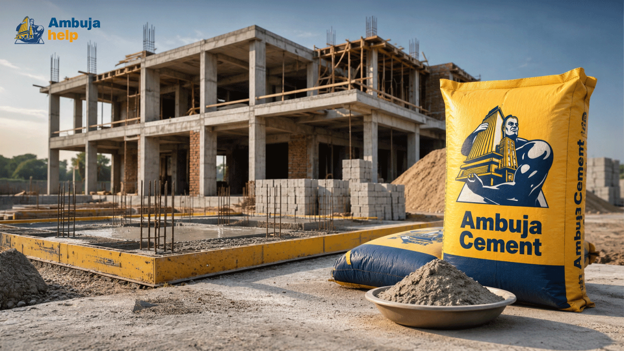
Cement isn’t used alone, but it’s absolutely vital. Mix it with sand to make mortar for laying bricks, or with sand and gravel to create concrete. Think of it as the glue that keeps your structure from crumbling.
From quick-setting to high-strength variants, the type of cement you choose affects everything from the structure’s integrity to its finish. Be sure to compare brands and check the grade that suits your project.
Pro tip: When you visit a construction material expert, ask for assistance in choosing between OPC and PPC cement — both have different strengths and settings.
3. Concrete
Concrete is the lifeblood of modern construction. It's made from aggregates (like gravel and sand), cement, and water. Once it sets, it’s incredibly durable and forms the core of everything, from floors and beams to sidewalks.
Using a material cost calculator, you can determine how much concrete you’ll need, depending on the size and depth of your structure. You’ll be surprised how precise your estimates can be with the right tools.
4. Ready Mix Concrete
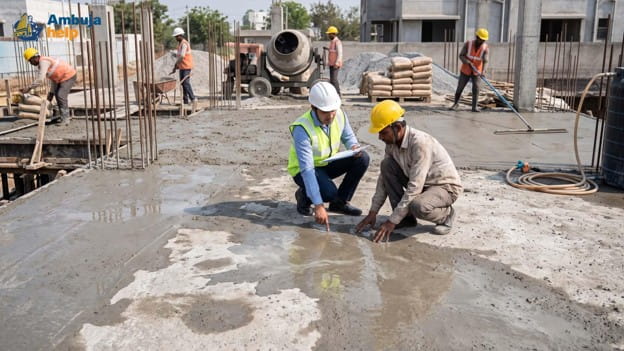
If you want to skip the hassle of mixing concrete on-site, go for ready-mix concrete. It’s mixed at a plant and delivered fresh to your construction site — perfect for fast-paced projects where consistency and quality matter.
It’s particularly useful when pouring slabs or large foundations. Just make sure you have everything prepped in advance — this type of concrete waits for no one.
5. Binding Wire
You might not notice it in the finished building, but wire bindings are crucial during construction. It’s what ties your reinforcement bars (rebars) together, keeping them securely in place.
There are different types: galvanized, stainless steel, and even PVC-coated options for extra durability. Check with trusted building material dealers for the right kind, especially if you’re working in coastal or humid areas.
6. Wood
Nothing beats the warmth and versatility of wood. From structural framing to decorative elements, wood has been a reliable construction material for centuries.
Choose timber that's certified by sustainable forest programs. Not only are you being environmentally responsible, but you’re also ensuring long-lasting quality. Remember: hardwoods like teak or oak are better for strength, while softwoods like pine are lighter and easier to work with.
7. Stone
Looking for something timeless? Stone is your go-to. Granite, limestone, or marble not only bring natural beauty to your space but are incredibly durable. Use stone for flooring, feature walls, or outdoor landscaping.
Since stone can be heavy and expensive, it's a good idea to calculate exactly how much you need. Again, your construction materials calculator will come in handy here.
8. Bricks
No list of building materials is complete without bricks. These fired clay units have built civilizations, quite literally. Perfect for walls, facades, and garden paths, bricks offer solid durability and excellent thermal properties.
Choose from standard clay bricks or newer, eco-friendly options depending on your project goals. They come in various sizes and finishes, so you can get creative with design, too.
9. Blocks
If you want faster construction and better heat resistance, blocks — especially cement blocks — are worth considering. They’re larger than bricks and cover more area, which means faster wall assembly and less mortar.
Blocks also provide better soundproofing and thermal insulation — a great option for modern homes and commercial buildings alike.
10. Aggregates
Finally, let’s talk about aggregates. These include sand, gravel, and crushed stone — the stuff that gives bulk and strength to your concrete and asphalt.
Different sizes serve different purposes, from fine sand for plaster to coarse aggregates for foundations. Don’t underestimate their role — using poor-quality aggregates can compromise your entire structure.
Final Thoughts
When it comes to choosing construction materials, it’s not just about picking what’s available — it’s about making smart, informed decisions that will impact the safety, longevity, and beauty of your space.
Make use of a construction materials calculator by Ambuja early on to estimate your needs, avoid waste, and manage your budget. Always consult with a reliable construction material broker that offers not just products but guidance tailored to your specific project.
If you’re looking for trusted solutions under one roof,Ambuja’s innovative cement solutions offer everything from high-grade cement and concrete to ready-mix options — all designed to make your construction journey smoother.
So, whether you're planning your dream home or a commercial building, start strong by choosing the right building materials — because a strong foundation leads to a solid future.