Why Cracks Appear In Cement Walls: Causes, Prevention, and When To Worry


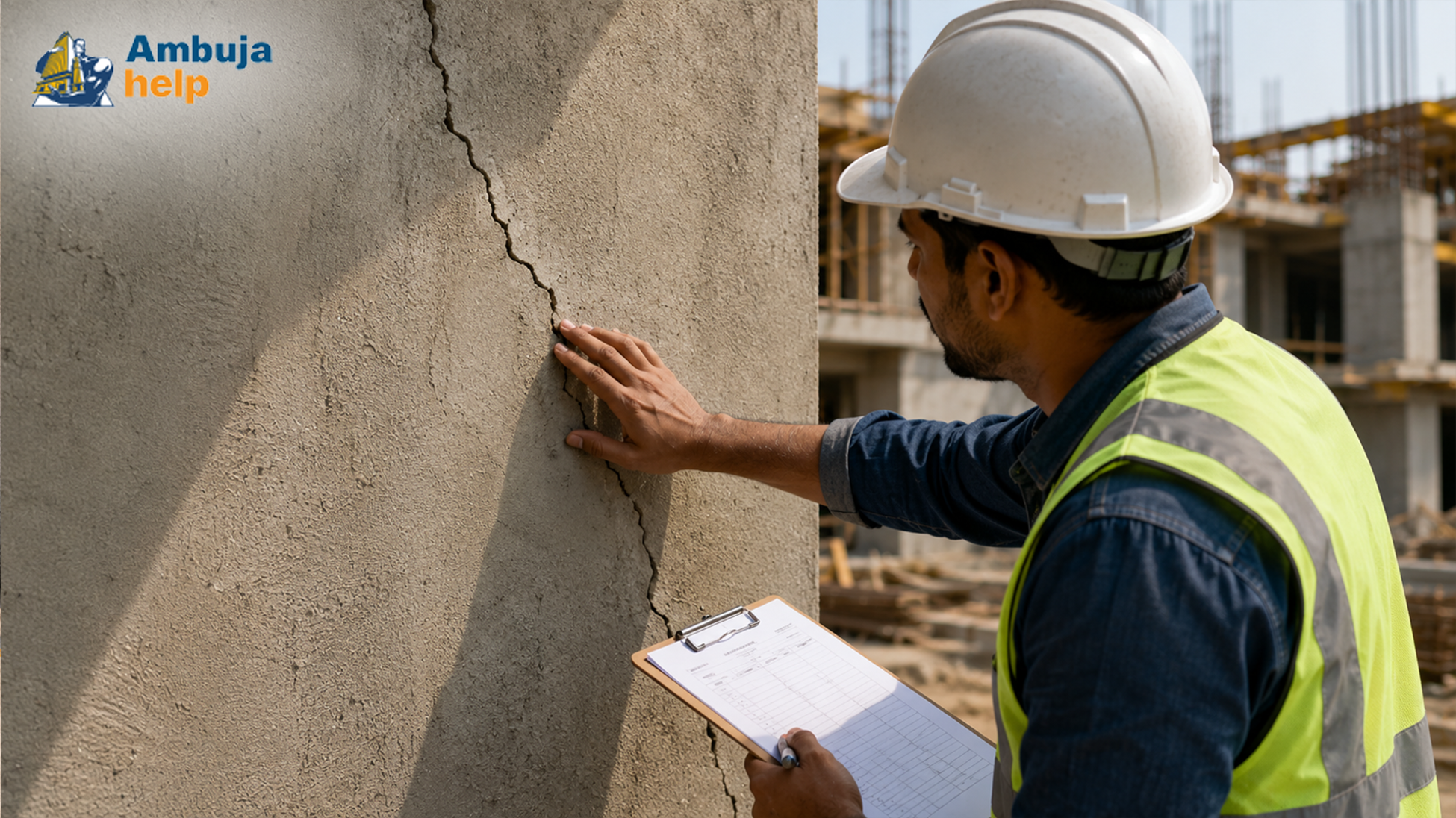
Table of Content
Cracks in walls are one of the most common concerns homeowners notice after construction. At first glance, they may look alarming. But here’s the truth: cracks are not always a sign of structural weakness. In fact, they are quite common in buildings over time. The key lies in understanding what these cracks mean, why they occur, and when they need attention.
If you’ve ever wondered why cracks develop in cement walls, this guide will help you understand the causes, types, and practical ways to deal with them.
Why Do Cement Walls Develop Cracks?
Concrete and cement-based materials behave in predictable ways. They are strong under compression but weak under tension. This fundamental property explains why cracks occur.
Common reasons explained:
- Moisture Loss (Shrinkage): Cement contains more water than needed for hydration. As this excess water evaporates, the material shrinks. If the cement becomes too hard, then cracks form. This is one of the most common wall cracks in India due to varying climate conditions.
- Temperature Changes: Cement expands when heated and contracts when cooled. Uneven temperature changes create internal stress, leading to cracks over time.
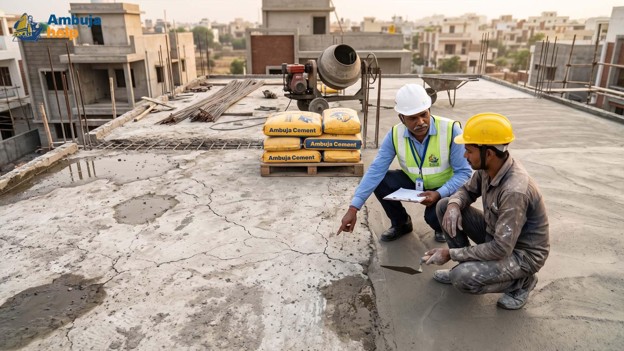
- Poor Workmanship: Improper mixing, excess water, inappropriate curing, or poor finishing techniques can weaken the surface and make it more prone to cracking.
- Soil Movement: The ground beneath structures is not static. Uneven settlement or shifting soil can create stress in walls, resulting in visible cracks.
Understanding these factors helps you differentiate between normal cracks and potential building concerns.
Structural vs Non-Structural Cracks
Not all cracks are equal. Some affect only the surface, while others can impact the building’s stability.
Key differences:
| Type of Crack | What It Means | Should You Worry? |
|---|---|---|
| Structural Cracks | Affect load-bearing capacity | Yes, immediate attention |
| Non-Structural Cracks | Surface-level or cosmetic | Monitor and maintain |
Structural cracks are usually caused by foundation movement, overloading, or design issues. These cracks may widen over time and require expert evaluation.
Non-structural cracks are often due to shrinkage or minor environmental effects. While not immediately dangerous, they can allow moisture to seep in, leading to long-term damage.
Small Cracks: Harmless or Warning Signs?
Hairline cracks are extremely common, especially in new construction. In many cases, they don’t indicate serious problems.
How to assess small cracks:
- Indoors: Often remain stable and need just minor plaster and painting for repairs
- Outdoors: Exposure to rain, heat, and pollution can worsen them over time
- Growth pattern: If cracks widen or spread, they need closer inspection
Ignoring even small cracks reduces the building’s overall durability over time. This makes monitoring them regularly a simple but effective practice.
Common Types of Cracks in Cement Walls
Different cracks tell different stories. Identifying the type helps determine the right solution.
Major crack types explained:
- Plastic Shrinkage Cracks: Appear shortly after application when the moisture evaporates too quickly. Common in hot and windy climates.
- Drying Shrinkage Cracks: Develop over weeks or months as the material continues to lose moisture.
- Thermal Cracks: Caused by expansion and contraction due to temperature fluctuations.
- Settlement Cracks: Result from uneven soil movement. Often diagonal and seen near doors or windows.
- Crazing Cracks: Fine, web-like surface cracks. Mostly cosmetic, but can affect long-term finish quality.
- Cracks Due to Steel Corrosion: Occur when moisture seeps into the steel reinforcement, causing rust and expansion that pushes the concrete outward.
| Crack Type | Main Cause | Severity Level |
|---|---|---|
| Plastic Shrinkage | Rapid moisture loss | Low |
| Drying Shrinkage | Long-term drying | Low–Medium |
| Thermal | Temperature variation | Medium |
| Settlement | Soil movement | High |
| Corrosion-related | Steel rusting | High |
How to Repair Cracks in Cement Walls
There is no one-size-fits-all solution. The right repair depends on the cause and severity of the crack.
Common crack repair methods include:
- Surface Patching: Used for minor cracks to restore appearance and prevent moisture entry
- Epoxy Injection: Suitable for structural cracks where strength needs to be restored
- Flexible Sealants: Ideal for cracks that may continue to move due to temperature changes
- Grouting or Slab Repair: Required when cracks are caused by soil settlement
Fixing the visible crack without addressing the root cause often leads to recurrence.
How to Prevent Wall Cracks
While it’s impossible to eliminate cracks, they can be minimized with proper practices.
Effective ways to reduce cracking:
- Use the Right Mix Design: Balancing cement to aggregate ratio properly reduces shrinkage and improves durability
- Ensure Proper Curing: Adequate moisture retention during early stages prevents rapid drying
- Control Water Content: Excess water weakens the structure and increases shrinkage
- Use Quality Materials: Good cement and steel improve bonding and resistance to environmental stress
- Provide Expansion Joints: Allows controlled movement, reducing stress buildup
Knowing how to prevent wall cracks boils down to knowing the exact proportions of material size and requirements that ensure a sturdy structure in the long run.
Why Material Quality Matters
Even with the best techniques, poor-quality materials can lead to early deterioration. Cement plays a major role in determining strength, bonding, and resistance to environmental conditions.
Reliable brands ensure consistency in composition and performance. Ambuja Cement is a trusted Indian brand that offers durable and budget-friendly premium cement solutions that support long-lasting construction.
Final Thoughts
Cracks in cement walls are quite common, but they should never be ignored without understanding their cause. Factors like shrinkage, temperature changes, and movement often lead to cracking. While some cracks are harmless, others can indicate deeper structural concerns, so early attention helps prevent expensive repairs later.With proper construction practices and timely maintenance, you can minimize damage and ensure your home stays strong, safe, and durable for years to come.
Frequently Asked Questions
Q1. What is the best cement in India for home building?
The best cement ensures durability, strength, and crack resistance. Trusted brands like Ambuja Cement provide consistent quality and reliable performance, making them a preferred choice for long-lasting home construction.
Q2. Can good cement help reduce wall cracks?
Yes, high-quality cement improves bonding and reduces shrinkage. Ambuja Cement’s consistent composition helps minimize crack formation, ensuring stronger walls and better resistance to environmental stress over time.
Q3. Why is cement quality important for crack prevention?
Cement quality directly affects strength and durability. Using reliable brands like Ambuja Cement ensures better mix performance, reducing the chances of cracks and improving overall structural stability.
Q4. Does premium cement improve long-term wall durability?
Premium cement enhances durability and resistance to moisture and temperature changes. Ambuja Cement supports long-term performance by maintaining structural strength and reducing maintenance issues in residential construction.
Q5. How does choosing the right cement impact repair costs?
Using quality cement reduces the chances of cracks and damage, lowering future repair needs. Ambuja Cement ensures dependable construction, helping homeowners save on long-term maintenance and repair expenses.