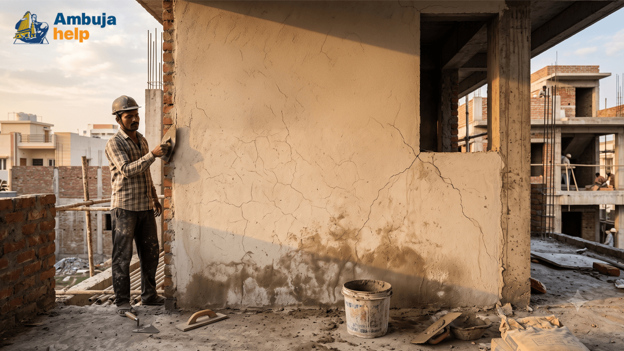
White Cement vs Grey Cement: Differences Every Home Builder Should Know


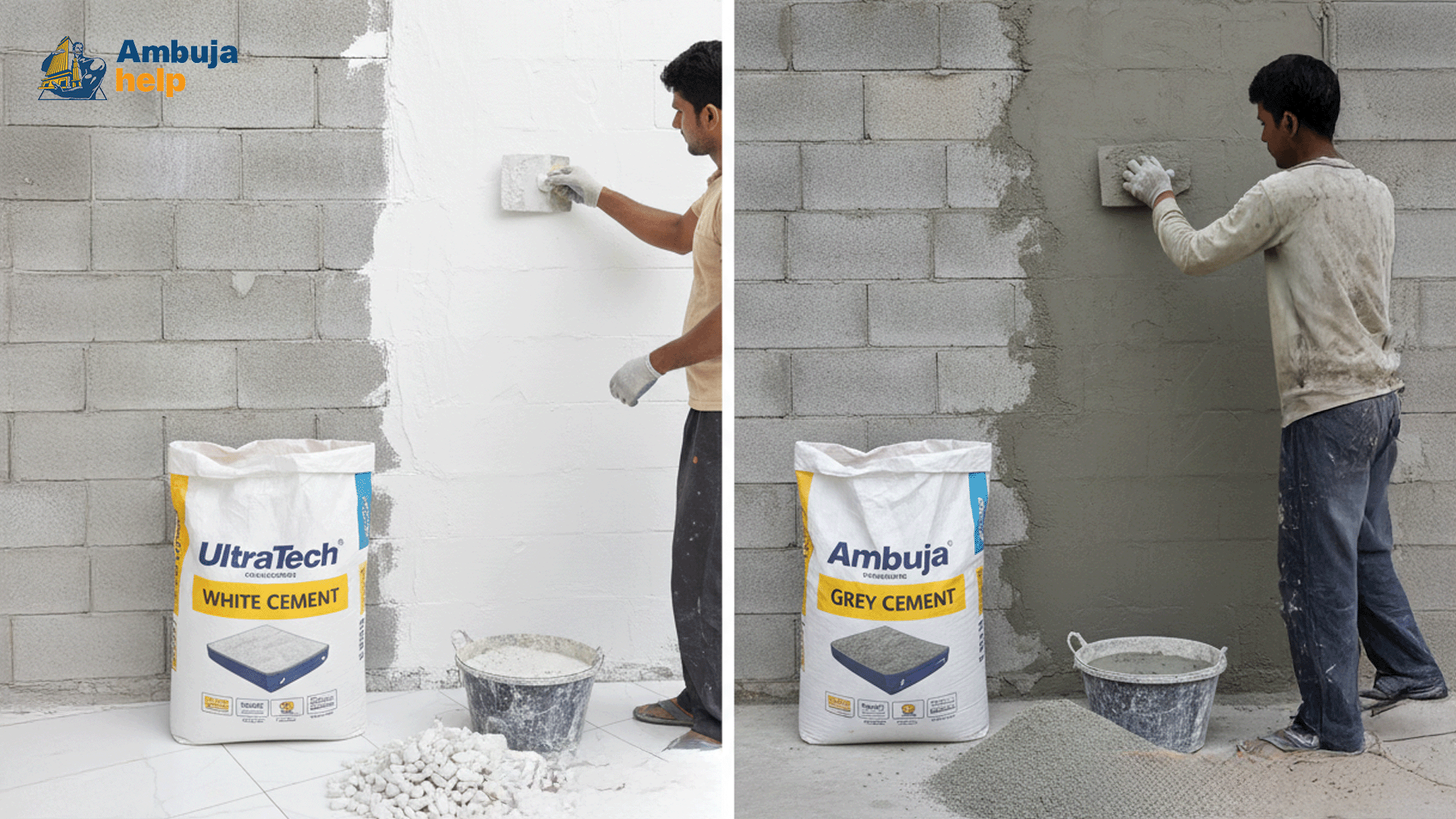
Table of Content
When building a residential building, choosing the right type of cement is one of the most important decisions a homeowner or contractor makes. Cement is at the core of every structure, influencing its strength, durability and overall appearance.
While most people are familiar with traditional grey cement, white cement has gained popularity for aesthetic and specialised applications. Understanding how these two differ helps you plan better in terms of budget and ensure high-quality construction work.
Both varieties play unique roles in the building process, and neither is superior to the other. Instead, the choice depends on where and how you plan to use them, your design needs and environmental conditions at your site.
Composition and Production: How Grey and White Cement Are Made
Grey Cement
Grey cement is the most widely used cement type in India. It is produced by heating limestone, clay and other raw materials in a high-temperature kiln. Its grey shade comes from iron oxide and other metallic compounds naturally present in the raw materials. This composition makes grey cement durable and suitable for building large-scale structures.
White Cement
White cement undergoes a similar making process but uses raw materials that contain very low iron oxide. This gives the final product its bright, white finish. The production also involves additional refining to achieve high levels of whiteness, making it ideal for surfaces where appearance matters. The finish is smoother and is often used for decorative detailing.
Key Differences: Appearance, Strength, Cost and More
To help you choose wisely, here is a simplified comparison between the two:
Grey Cement vs White Cement: At a Glance
| Feature | Grey Cement | White Cement |
|---|---|---|
| Colour | Grey due to iron oxide | Bright white, low iron oxide |
| Primary Use | Structural and load-bearing work | Decorative and aesthetic work |
| Strength | Available in multiple grades | Also available in various strengths |
| Cost | More economical | More expensive due to the refined process |
| Drying Time | Standard setting and curing | Similar drying behaviour |
| Applications | Foundations, slabs, beams, roads, bridges | Floors, wall finishes, facades, sculptures |
While both can be used across a range of masonry work, their characteristics make them suitable for different purposes.
Applications: Where Each Cement Works Best
Where Grey Cement Excels
Grey cement is designed for strength and structure. It is ideal for:
- Foundations and footings
- Reinforced concrete columns and beams
- Slabs and walls
- Roads, bridges and dams
- General masonry
For most builders, they consider grey cement as the backbone for heavy constructions. In large-scale projects, grey cement remains the default choice due to its availability and cost-effectiveness.
Where White Cement Stands Out
Decorative cement is used when aesthetic details need to be added in a house or building. It is perfect for:
- Decorative wall finishes
- Floorings and terrazzo surfaces
- Tile adhesives and grouts
- Front design of the building
- Sculptures and ornamental designs
- Swimming pool surfaces
- Polished concrete countertops
Because of its colour consistency and smooth finish, it is also used for making putty and for surface repair works where a clean look is needed.
Factors to Consider Before Choosing Between the Two
Choosing the right cement means making sure that the cement is able to live up to the needs of the project. Here’s what you should evaluate:
1. Aesthetic Goals
If you want a bright and clean finish, white cement provides the look you need. Grey cement, on the other hand, is excellent for traditional structural surfaces or where finishing layers like plaster or paint will be applied.
2. Structural Requirements
Both types can be produced in multiple strength grades. What matters more is the cement–water ratio, curing practices and environmental exposure. Grey cement is the best for building purposes, while white cement helps add the finishing touches and ornate details like embossing to specific areas.
3. Durability and Environmental Conditions
Both offer strong durability when used appropriately. Exposure to moisture, chemicals or extreme sunlight influences how long the finish lasts, especially in visible surfaces. This is why many homeowners rely on established products from Ambuja, one of the best cement brands in India, to ensure longevity.
4. Budget Constraints
White cement is more expensive due to high-purity raw materials and additional manufacturing steps. For large volumes, grey cement is the cost-efficient choice. Consider your priorities: appearance vs overall structural cost.
5. Project Scope
A residential home often uses both types, grey cement for building the main frame and structural strength, and white cement for finishing surfaces requiring smoothness and uniform colour.
Common Misconceptions
Misconception 1: White Cement Is Weaker
In reality, strength depends on grade and composition. Both can achieve strong performance if manufactured and used correctly.
Misconception 2: White Cement Is Only for Decoration
While it is most popular for aesthetic work, it can also support certain structural applications depending on the design and engineering specifications.
Making the Right Choice
Understanding the differences between these two cement types helps you make informed decisions while planning your home. Combining the strength and durability of grey cement with the aesthetic properties of white cement ensures a balanced and durable build. Whether you prioritise strength, budget, or visual appeal, selecting materials from Ambuja ensures your home stands strong for years.
By choosing the right cement for the right purpose, you bring together durability, beauty and long-term value, the foundation every homeowner deserves.