Cement Grades Explained: 33, 43, 53 – Which One to Choose?


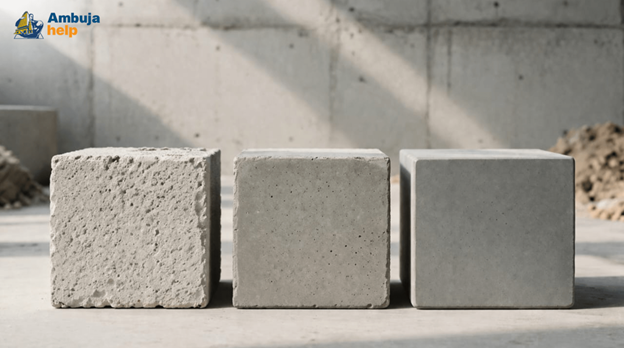
Table of Content
Walk into any cement retailer or ask a contractor about cement, and you'll quickly hear numbers thrown around, such as 33, 43, 53. These numbers are the standard cement grades used in India, but most homeowners nod along without really knowing what these numbers mean or why they matter. But here's the thing: choosing the wrong grade of cement for your project can cost you in terms of the building’s strength and in money spent on repair.
This guide breaks it down simply, so you can walk into your next conversation actually knowing what you're talking about.
What Do Cement Grades Actually Mean?
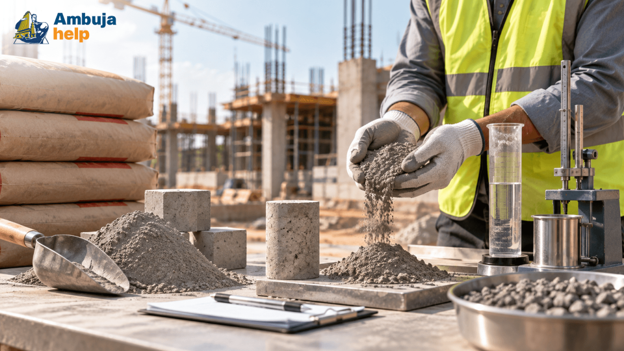
The grade of cement refers to its compressive strength or the minimum strength the cement achieves at 28 days of curing, measured in Megapascals (MPa) or Newtons per square millimetre (N/mm²).
In plain terms: the higher the number, the stronger the cement.
In India, cement grades apply specifically to Ordinary Portland Cement (OPC), which is the most widely used type of cement in construction. The three main grades are 33, 43, and 53, and each is suited to a different range of applications.
It's worth noting that apart from OPC, the Indian market also uses Portland Pozzolana Cement (PPC) and Portland Slag Cement (PSC) widely, but these are not graded by the same system.
The Three OPC Grades at a Glance
| Grade | Compressive Strength at 28 Days | Best For |
|---|---|---|
| OPC 33 | Minimum 33 MPa | Plastering, masonry, non-structural work |
| OPC 43 | Minimum 43 MPa | RCC structures, precast elements, and general construction |
| OPC 53 | Minimum 53 MPa | Bridges, high-rises, heavy-duty industrial structures |
OPC 33 Grade
OPC 33 is the most basic of the three grades of cement available in the market. With a minimum compressive strength of 33 MPa at 28 days, it's designed for work that doesn't demand high load-bearing capacity.
Where it's used:
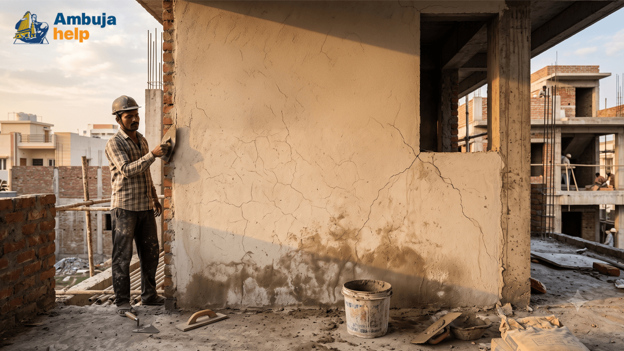
- Plastering interior and exterior walls
- Masonry work (laying bricks and blocks)
- Flooring base layers
- Non-structural elements
Where it should NOT be used:
- Columns, beams, or slabs
- Any load-bearing structural element
- High-rise or large-span construction
If the construction involves mostly finishing work like smoothing walls, laying floors, and setting bricks, then OPC 33 is the best cost-effective choice.
OPC 43 Grade
OPC 43 is arguably the most commonly used grade in residential construction across India. It delivers a minimum compressive strength of 43 MPa at 28 days, which makes it strong enough for most standard structural applications while remaining workable and versatile.
Where it's used:
- Reinforced Cement Concrete (RCC) structures
- Precast concrete elements
- General-purpose construction
- Load-bearing walls and moderate structures
For a standard two or three-floor home, OPC 43 typically covers the structural requirements well. There's also a specialised variant called OPC 43-S (the 'S' stands for Sleeper grade), which is specifically made for railway sleepers. It has a finer particle size, so it's not something you'd encounter in typical home construction.
OPC 53 Grade
OPC 53 is the strongest of the available standard cement grades in India, with a minimum compressive strength of 53 MPa at 28 days. This is the grade you reach for when the construction project specifically needs it.
Where it's used:
- Long-span bridges and flyovers
- High-rise commercial and residential buildings
- Heavy-duty industrial floors and structures
- Infrastructure projects with exceptional strength requirements
The higher strength of OPC 53 means it sets faster and achieves early strength more quickly than the lower grades, which can be useful when project timelines are tight and formwork needs to be removed sooner.
A word of caution: OPC 53, precisely because it gains strength faster, also generates more heat during curing. In large pours or mass concrete applications, this can cause thermal cracking if not managed properly.
How to Choose the Right Grade?
| Situation | Recommended Grade |
|---|---|
| Plastering and wall finishing | OPC 33 or PPC |
| Brickwork and masonry | OPC 33 or OPC 43 |
| Standard residential RCC (columns, beams, slabs) | OPC 43 |
| Precast concrete elements | OPC 43 |
| High-rise buildings | OPC 53 |
| Bridges and heavy infrastructure | OPC 53 |
| Mass concrete (large foundations) | Consult engineer; PPC preferred |
| Waterproofing applications | Specialised waterproof cement |
Grade vs. Type: Don’t Confuse the Two
One thing that trips up many homeowners is mixing the grade of cement with the type. They're different things.
- Grade refers to strength (33, 43, 53) and applies to OPC specifically.
- Type refers to composition like OPC, PPC, PSC, PCC, etc.
PPC and PSC, for example, don't carry grade numbers but are widely used for their workability, durability, and environmental benefits. PPC is particularly popular for plastering and general construction because of its smooth finish and lower heat of hydration.
Does Brand Matter Within the Same Grade?
Yes, it does. Two bags of OPC cement from different manufacturers will meet the same minimum BIS (Bureau of Indian Standards) specifications, but manufacturing quality, consistency, and the quality of clinker used can affect performance.
Ambuja Cement is a trusted brand across the country precisely because of this consistency. Whether you're using our OPC variants for heavy structural work or our PPC for plastering and finishing, you're working with a product that has been tested and trusted by builders at scale.
The 28-Day Rule: Why Curing Time Matters
Every grade is defined by strength at 28 days, which is the standard curing period. But here's what many people miss: concrete gains strength progressively, not all at once.
| Curing Stage | Strength Achieved |
|---|---|
| 3 days | ~30–40% |
| 7 days | ~65–70% |
| 28 days | 100% |
| 90 days | Can exceed 28-day strength |
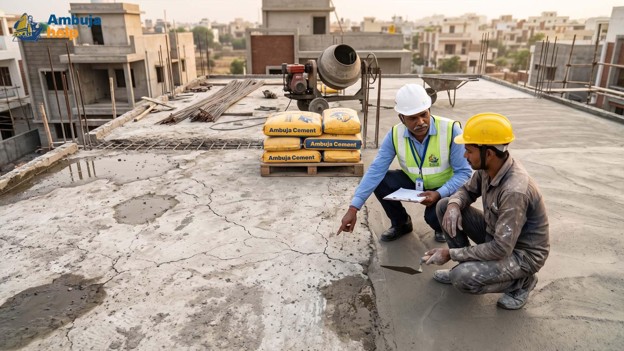
This is why proper curing, that is, keeping the concrete moist and protected from extreme heat or cold during the early days, is as important as choosing the right grade. A perfectly graded cement that's poorly cured will underperform every time.
Final Thoughts
Choosing between OPC 33, 43, and 53 cement grades isn't a matter of "the higher the better." It's a matter of matching the cement's strength to what your building actually needs. Over-specifying wastes money. Under-specifying risks to structural integrity.
When in doubt, always loop in an expert. They'll factor in the mix design, load requirements, and local conditions to tell you exactly which grade works best for each part of your build.
Frequently Asked Questions
Q1. Which cement brands are top-rated in India?
Among the top-rated options, Ambuja Cement stands out for its consistent quality across OPC and PPC variants. Known for reliable strength and performance, it is widely trusted by engineers and contractors for residential and infrastructure projects across diverse Indian climate conditions.
Q2. Which cement grade is best for house construction in India?
For most residential projects, OPC 43 is considered ideal due to its balance of strength and workability. Ambuja Cement offers high-quality OPC 43 and PPC options, ensuring dependable performance for RCC structures, masonry, and finishing work in typical Indian home construction.
Q3. Does the cement brand matter if the grade is the same?
Yes, brand quality plays a crucial role even within the same grade. Ambuja Cement ensures consistent clinker quality and manufacturing standards, leading to better strength, durability, and finish. This consistency reduces risks of cracks, rework, and long-term maintenance issues.
Q4. Which cement is best for long-lasting construction?
Durability depends on both the right grade and trusted manufacturing. Ambuja Cement offers OPC for strength and PPC for enhanced durability and finish. These options help structures resist environmental stress, ensuring long-lasting performance in India’s varied climate conditions.
Q5. Is a higher cement grade always better for construction?
Not necessarily. Using higher grades like OPC 53 where not required, can increase costs and risk of thermal cracks. Ambuja Cement provides a range of cement grades, helping homeowners and builders choose the right strength for each application without over-specifying or compromising structural safety.