Top Mistakes Home Builders Make When Selecting Construction Materials


Table of Content
Building a house is one of the biggest investments most people will ever make. While choosing the right design and contractor is important, selecting the right construction materials is equally critical. The quality of materials used during construction directly affects your home's strength, durability, safety, and long-term maintenance costs.
Unfortunately, many home builders focus only on reducing direct expenses and overlook factors that have a much bigger impact on the life of the building. Because small compromises during material selection can eventually lead to water seepage, cracks, structural issues, and expensive repairs.
So, if you're planning to build a home, here's a practical guide to the most common mistakes homeowners make while selecting construction materials and how you can avoid them.
Why Choosing the Right Materials Matters
Construction materials form the backbone of every home. Whether it's cement, steel, bricks, sand, or aggregates, each element contributes to the building's overall strength and longevity.
Using quality materials helps:
- Improve structural durability
- Reduce maintenance costs
- Increase resistance to weather and moisture
- Enhance safety and reliability
- Extend the life of the building
Making informed choices from the beginning can save significant time, money, and effort in the future.
Common Material Selection Mistakes to Avoid
1. Choosing Materials Based Only on Price
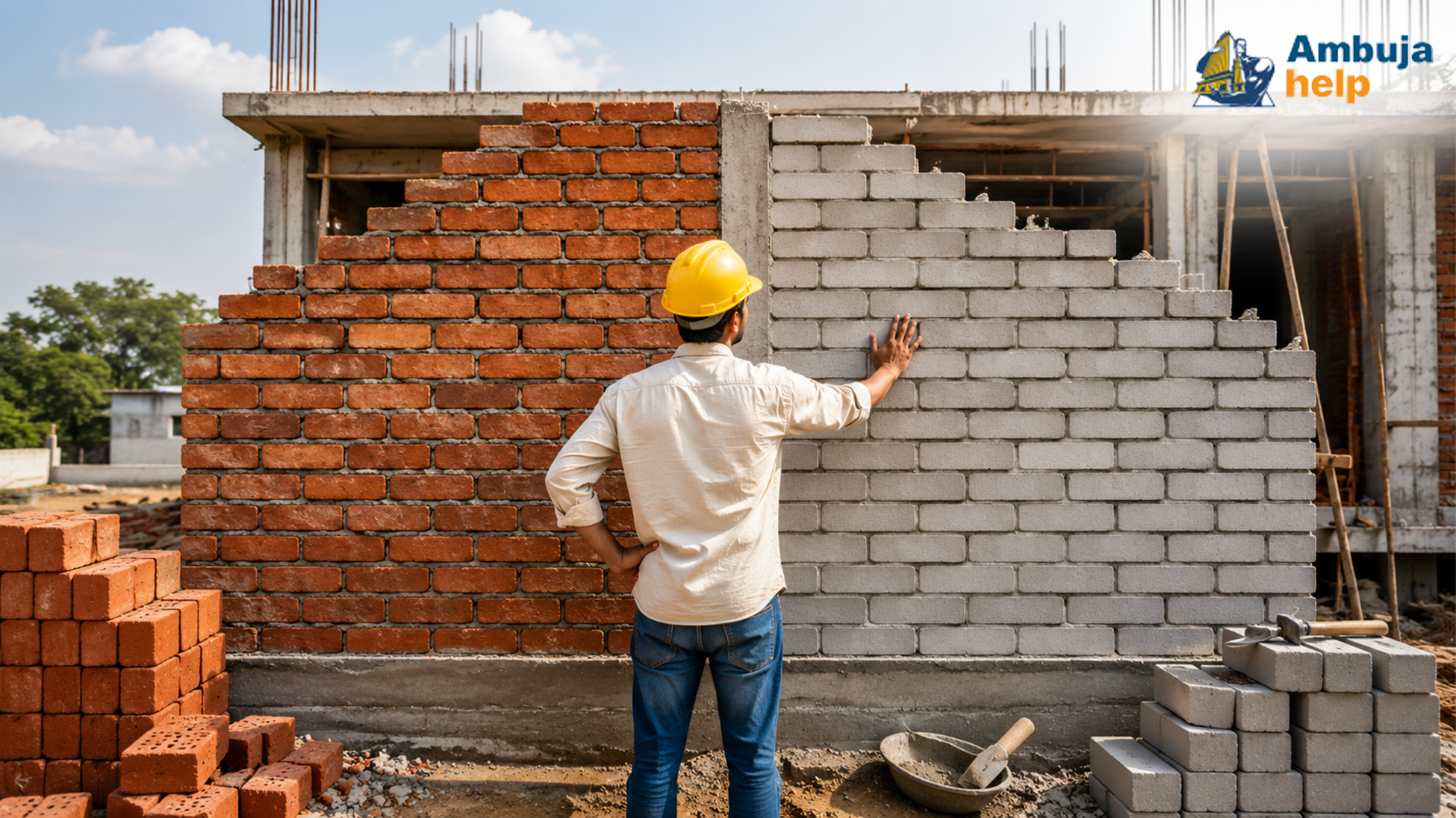
One of the biggest mistakes is choosing the cheapest construction materials without considering their quality. While they may reduce your initial costs, low-quality materials can affect your home's long-term performance by causing premature deterioration, frequent repairs, and higher maintenance expenses. Instead of focusing only on price, compare materials based on their quality, performance, certifications, and the reputation of the manufacturer to make a more informed decision.
2. Not Understanding Different Types of Cement
Many homeowners assume that all cement performs the same, but different construction use cases need different cement properties.
For example, Ordinary Portland Cement is widely preferred where early strength and load-bearing capacity are important, while PPC offers improved workability, reduced heat of hydration, and excellent long-term durability.
Understanding these differences allows you to choose the most suitable cement for your project rather than relying solely on availability or price.
| Cement Type | Suitable Applications | Key Benefits |
|---|---|---|
| Ordinary Portland Cement | Structural elements, heavy-load construction | High early strength and faster setting |
| PPC | Residential buildings, plastering, masonry, foundations | Better durability, smoother finish, improved workability |
3. Ignoring Product Quality and Brand Reliability
Construction materials should always come from trusted manufacturers with consistent quality standards. Established manufacturers invest heavily in quality control, testing, and advanced manufacturing processes, ensuring reliable performance across projects.
Choosing premium-quality products from recognised companies such as Ambuja Cement gives homeowners greater confidence in the quality of the materials being used.
4. Overlooking Water Resistance and Durability
Many homeowners focus only on compressive strength while ignoring water resistance. Moisture penetration is one of the leading causes of:
- Damp walls
- Paint peeling
- Steel corrosion
- Surface cracks
- Reduced structural life
Selecting cement and construction materials designed to improve density and reduce water seepage helps create longer-lasting structures, especially in regions with heavy rainfall.
5. Buying Materials Without Checking Certifications
Not all materials available in the market meet the required quality standards. Before purchasing, verify:
- BIS certification
- Manufacturing date
- Packaging condition
- Batch consistency
- Supplier authenticity
These simple checks help ensure you're receiving genuine, high-quality materials.
6. Mixing Different Material Qualities
Another common mistake is using premium materials in one part of the project while compromising in others. For example, investing in quality cement but using poor-quality sand or aggregates can reduce the overall strength of the concrete. Construction materials perform best when every component meets the required quality standards.
7. Ignoring Expert Recommendations
Architects, engineers, and experienced contractors understand which materials are suitable for different soil conditions, weather patterns, and building designs.
Ignoring advice from architects, engineers, or experienced contractors can lead to selecting materials that may not deliver the required performance over time. Their recommendations are based on the needs of the construction project, which further adds to the building’s strength in the long run.
Factors to Consider Before Selecting Construction Materials
The following checklist can help simplify your decision-making process.
| Consideration | Why It Matters |
|---|---|
| Quality certifications | Ensures compliance with industry standards |
| Durability | Reduces long-term repair costs |
| Water resistance | Protects against dampness and seepage |
| Manufacturer reputation | Indicates consistency and reliability |
| Technical support | Helps with proper product selection |
| Suitability for application | Different materials perform differently depending on the construction stage |
Practical Tips for Smart Material Selection
Before buying any construction material, keep these simple yet important tips in mind to ensure better quality, durability, and long-term value for your home:
- Prepare a complete material list before construction begins
- Purchase from authorised dealers or trusted suppliers
- Compare product quality, not just pricing
- Ask for quality certifications and invoices
- Store materials properly to avoid damage
- Consult your engineer before making substitutions
- Avoid last-minute purchases based only on availability
Conclusion
Selecting the right construction materials is one of the most important decisions home builders make during a project. While choosing lower-cost products may seem attractive initially, investing in quality materials offers better durability, improved structural performance, and reduced maintenance over the long term.
This is why understanding the differences between cement types, verifying quality standards, and consulting experienced professionals can help you avoid common mistakes that affect your home's lifespan. In short, by making informed material choices today, home builders can create homes that remain strong, safe, and comfortable for generations to come.
Frequently Asked Questions
Q1. Why is choosing quality construction materials important?
Good-quality materials improve structural strength, durability, and reduce long-term repair and maintenance costs.
Q2. Why do many builders choose Ambuja Cement?
Ambuja Cement is known for its consistent quality and premium raw materials, making it a reliable choice for residential construction.
Q3. Should I buy construction materials based only on price?
No. Always compare quality, certifications, performance, and manufacturer reputation instead of choosing the lowest-priced option.
Q4. Can using poor-quality materials affect my home's lifespan?
Yes. Inferior materials may lead to cracks, seepage, reduced strength, and higher maintenance costs over time.
Q5. Why should I consult an engineer before buying materials?
Engineers recommend materials based on structural requirements, ensuring your home remains safe and durable for years.