Fly Ash Bricks vs Red Bricks: Which Is Actually Better For Indian Homes?


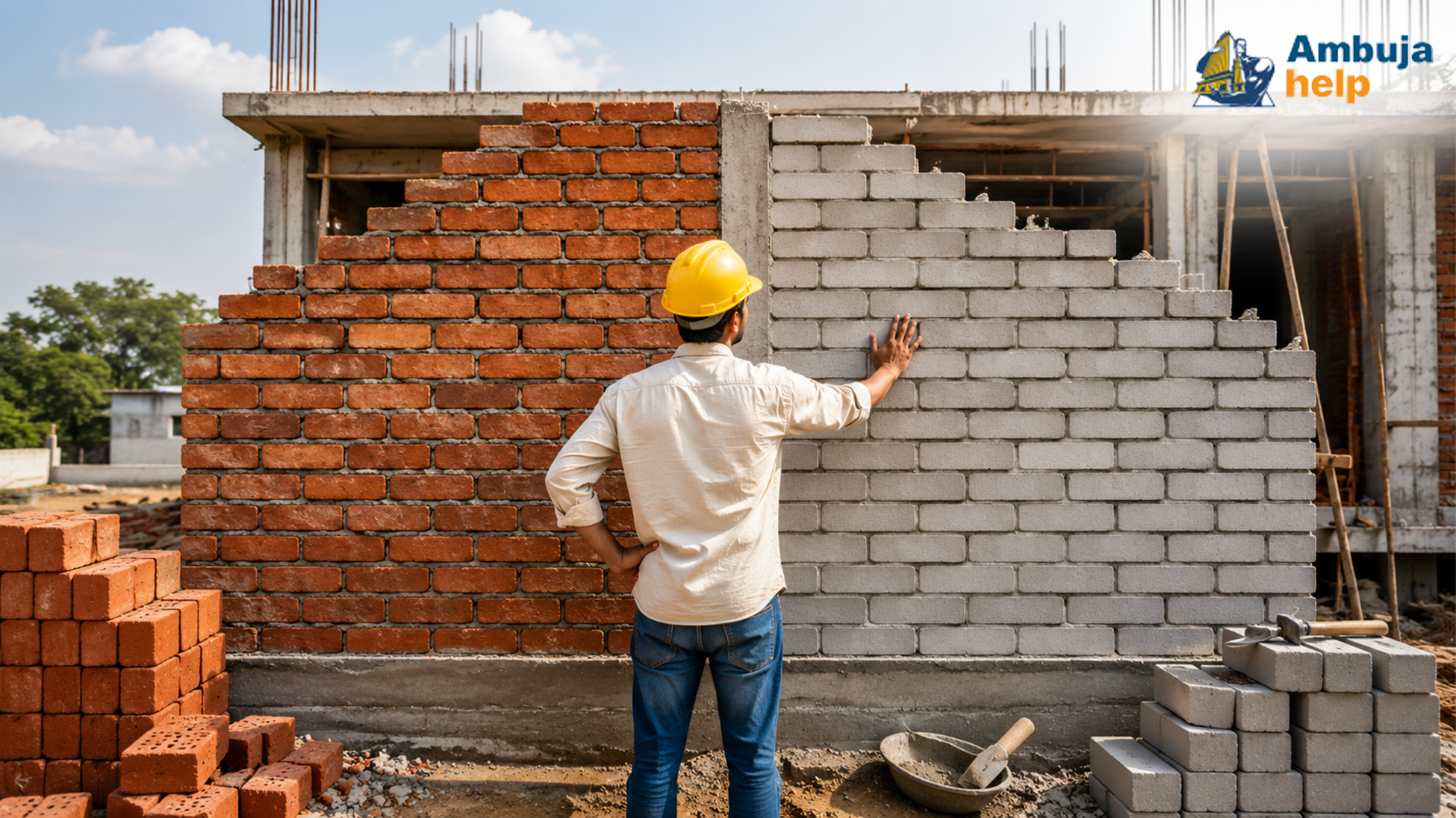
Table of Content
Building a home in India is one of the biggest decisions you'll make. At the foundation of those walls lies an equally important choice: fly ash bricks vs red bricks? Here's the bottom line: Fly ash bricks offer 3 times higher strength (90–100 kg/cm² vs 30–35), lower water absorption (10–14% vs 15–25%), and 98% less wastage than red bricks. For modern Indian homes, especially in monsoon-prone regions, fly ash is more durable and cost-effective over the long term. However, red bricks still work well in areas with limited access to alternatives or if you want a traditional, rustic look.
Let’s break it down in simple terms so you can decide what works best for your home.
Why This Choice Matters
Bricks determine your home’s strength, durability, thermal comfort, and even long-term maintenance costs. In India, the two most common choices are:
- Red bricks (clay bricks): Traditional and widely used
- Fly ash bricks: A modern, eco-friendly alternative
Each has its place, depending on your priorities.
Why this matters in real life:
The type of brick you choose directly affects the structure’s durability for the next decades to come, along with its tolerance to heat, moisture, and structural load. A poor choice can lead to higher repair costs and reduced lifespan.
What Are Red Bricks?
Red bricks are made from natural clay and have been used in Indian construction for centuries. Their familiarity and rustic appeal make them a popular choice even today.
Where Red Bricks Work Well
- Ideal for traditional homes or exposed brick aesthetics
- Easily available across India
- Preferred by many local masons due to familiarity
Why these advantages exist:
Since red bricks have been used for generations, supply chains and labour expertise are well-established. This reduces dependency on specialised handling and makes construction smoother, especially in smaller towns and rural areas.
Limitations to Consider
- Use of topsoil impacts the environment
- Uneven size leads to higher mortar and plaster usage
- Higher breakage during transport (up to 10%)
- Moderate strength compared to modern alternatives
Why these limitations matter:
Uneven shapes and higher porosity often lead to extensive plastering and water seepage risks. Over time, this can increase maintenance costs and affect the overall finish and durability of your home structure.
What Are Fly Ash Bricks?
Fly ash bricks are manufactured using industrial by-products like fly ash (from thermal power plants), along with cement and sand. They are cured instead of fired, making them more sustainable. Understanding the benefits of fly ash bricks can help you see why they’re gaining popularity in urban construction.
Where Fly Ash Bricks Excel
- Higher strength and durability
- Uniform size ensures cleaner construction
- Lower water absorption reduces dampness
- Eco-friendly, they reuse industrial waste
Why these benefits matter:
Uniformity improves alignment during construction, reducing material waste and labour time. Lower water absorption also helps prevent damp patches, which are a common issue in Indian climates, especially during monsoons.
Limitations to Keep in Mind
- Availability may be limited in remote areas
- Some builders may still prefer traditional materials
Why do these limitations exist?
It takes time for the construction industry to adopt newer materials. In areas where supply chains or awareness are limited, traditional methods dominate, which can influence both availability and builder recommendations.
Key Properties Comparison
Here’s a simple breakdown to help you understand the practical difference between fly ash and red bricks:
| Factor | Red Bricks (Clay) | Fly Ash Bricks |
|---|---|---|
| Strength | 30–35 kg/cm² | 90–100 kg/cm² |
| Durability | Good | Excellent |
| Water Absorption | 15–25% | 10–14% |
| Wastage | Up to 10% | Less than 2% |
| Finish | Uneven | Smooth |
| Environmental Impact | High | Low |
| Cost Efficiency | Higher overall | More economical long-term |
How to interpret this table:
These differences directly impact construction quality and long-term performance. Higher strength means better load-bearing capacity, while lower wastage and smoother finishes translate into cost savings and better aesthetics.
Cost Isn’t Just the Brick Price
Many homeowners focus only on the upfront cost of bricks, but that’s only part of the story. Fly ash bricks often reduce:
- Mortar consumption
- Plastering requirements
- Transportation losses
Why total cost matters more:
Construction costs can easily pile up. Savings in mortar, plaster, and labour can significantly reduce overall expenses. Which is why it’s important to keep in mind that looking only at the brick price may lead to higher spending during later stages of construction.
Which Is Better for Indian Homes?
The answer depends on what you value most.
Choose Red Bricks If:
- You prefer traditional materials
- Your location has limited access to alternatives
- You want a natural, rustic finish
Why this choice works:
Red bricks are reliable when availability and local expertise are key factors. They are especially practical for smaller projects where sourcing newer materials may complicate logistics.
Choose Fly Ash Bricks If:
- You want better strength and structural stability
- You’re building a modern home
- Sustainability is important to you
If you're aiming for durability and efficiency, many experts consider fly ash to be among the best bricks for houses in India, especially in urban and semi-urban projects.
Why this choice is growing:
Modern construction increasingly focuses on efficiency and sustainability. Fly ash bricks align well with these goals by offering consistent quality and reducing environmental impact without compromising structural performance.
Don’t Skip Brick Testing
Before finalising, always conduct a basic quality check:
- Drop test for strength
- Water absorption test
- Visual inspection for cracks and uniformity
Why testing is critical:
Even within the same category, brick quality can differ between suppliers. Simple on-site tests can prevent future structural issues and ensure you’re investing in reliable materials.
The Bigger Picture: Building Smart
Choosing bricks is just one part of building a strong home. The quality of cement, sand, and workmanship also plays a huge role. Ambuja Cement is known for providing reliable and budget-friendly premium cement options, which ensure that your construction stands the test of time without compromising on quality.
Why this matters overall:
A strong structure depends on how all materials work together. Even the best bricks won’t perform well without good cement and proper construction practices, which is why it’s important to keep an eye on all materials used in the building processes.
Final Thoughts
There’s no one-size-fits-all answer when it comes to bricks. The fly ash bricks' benefits clearly make them a strong contender for modern homes, but red bricks still hold value in specific situations. If you’re building today and thinking long-term, fly ash bricks often come out ahead as one of the best bricks for Indian construction, thanks to their strength, consistency, and eco-friendliness.
At the end of the day, your home deserves materials that match your vision, your budget, and your future needs. Choose wisely, because every brick becomes a permanent part of your story.
Frequently Asked Questions
Q1. What are the essential building materials for house construction?
Essential materials include bricks, cement, sand, steel, and aggregates. Choosing reliable options like Ambuja Cement ensures better strength, durability, and long-term performance for a safe, stable, and lasting home.
Q2. Which is better for modern homes: fly ash bricks or red bricks?
Fly ash bricks offer higher strength, uniformity, and lower water absorption. When paired with Ambuja Cement, they enhance durability, reduce maintenance, and create a more efficient and long-lasting home structure.
Q3. How does cement quality impact brick construction?
Cement quality affects bonding, strength, and crack resistance. Using trusted brands like Ambuja Cement ensures consistent performance, helping bricks perform better and improving the overall durability and lifespan of the structure.
Q4. Are fly ash bricks more cost-effective in the long run?
Yes, fly ash bricks reduce mortar and plaster needs. Combined with Ambuja Cement, they optimise material usage, lower maintenance costs, and deliver better value over time for modern home construction projects.
Q5. Why is consistency in building materials important?
Consistent material quality ensures uniform strength and fewer defects. Ambuja Cement’s controlled composition helps maintain construction reliability, improving bonding, reducing cracks, and supporting durable structures built for long-term performance.