Sustainable Construction Materials for Indian Homes: Where Cement Choice Makes the Difference


Table of Content
In today’s age and time, sustainability has become a key aspect of many things that are done around the world, and the construction industry is no exception to that. With rising temperatures, changing weather patterns, and increasing awareness about environmental impact, homeowners and builders are now paying closer attention to the materials they use. Among all sustainable construction materials, cement plays one of the most important roles because it directly affects both the strength of the home and its environmental footprint.
If you’re planning to build a home in India, understanding how cement contributes to sustainability can help you make smarter, future-ready choices.
Why Sustainability Matters in Home Construction
Traditional construction methods require a large amount of natural resources that release harmful carbon during the process. Sustainable construction focuses on reducing the damage that the surrounding suffers while still delivering safe, durable, and comfortable homes.
The goals of sustainable construction include:
- Reducing carbon emissions
- Using industrial by-products effectively
- Increasing building lifespan
- Lowering maintenance needs
- Conserving natural resources
Choosing the right cement supports all these goals.
The Role of Cement in Sustainable Homes
Cement plays a key role in keeping a building together. It binds concrete, supports load, and protects the building from external damage.
However, since cement produced traditionally depends on the use of natural resources, manufacturers have developed blended cements like Portland Pozzolana Cement (PPC), which offer both strength and sustainable benefits.
PPC cement is made by mixing fly ash, which is an industrial by-product, with clinker. This reduces waste and lowers environmental impact without compromising performance.
Why PPC Cement Is Considered Sustainable
Portland Pozzolana Cement is widely recognised as one of the most eco-friendly options available today.
| Feature | How It Supports Sustainability |
|---|---|
| Uses fly ash | Reduces industrial waste |
| Lower clinker content | Reduces carbon emissions |
| Higher durability | Extends building life |
| Lower heat generation | Reduces cracks |
| Better moisture resistance | Protects the structure longer |
This makes PPC cement an ideal choice for Indian homes that need to withstand diverse weather conditions.
Long-Term Durability Is a Sustainability Advantage
Many people assume sustainability is only about protecting the environment, but durability is equally important.
A structure that lasts longer:
- Requires fewer repairs
- Uses fewer replacement materials
- Saves resources over time
PPC cement offers excellent resistance to:
- Moisture
- Chemical attacks
- Sulphates
- Cracking
Comparing Traditional Cement and Sustainable Cement
| Factor | Traditional OPC | Sustainable PPC |
|---|---|---|
| Carbon footprint | Higher | Lower |
| Durability | Good | Excellent |
| Crack resistance | Moderate | High |
| Maintenance needs | Higher | Lower |
| Environmental impact | Higher | Reduced |
This clearly shows why blended cement is becoming the preferred choice.
Sustainability Also Means Cost Efficiency
While selecting the right cement for construction, many homeowners begin with their sole focus on how much the cement bag costs, but true value comes from long-term performance.
Sustainable cement helps reduce costs by:
- Minimising repair expenses
- Increasing structural lifespan
- Improving energy efficiency
So even if the upfront cost seems similar, the overall savings can be significant over time.
Additional Benefits of Sustainable Cement for Indian Homes
India’s climate presents unique challenges, including heat, humidity, and heavy rainfall.
- Better Heat Resistance: Lower heat generation reduces cracking in concrete.
- Improved Water Resistance: Helps protect against seepage and dampness.
- Smooth Finish: Improves plaster quality and reduces finishing materials.
- Environmental Responsibility: Supports greener construction practices.
How to Choose Sustainable Cement for Your Home
Here are some practical tips homeowners can follow:
- Look for BIS Certification: This ensures quality and safety standards.
- Check Cement Type: Prefer blended cement like PPC for residential construction.
- Choose Trusted Manufacturers: Reputable companies invest in sustainable production technologies. For example, Ambuja Cement is known for producing high-quality cement using advanced manufacturing methods that improve durability and efficiency.
- Consider Long-Term Performance: Focus on durability rather than just upfront cost.
Environmental Benefits Beyond Construction
Using sustainable cement doesn’t just help your home; it helps the planet.
| Environmental Benefit | Impact |
|---|---|
| Reduced CO₂ emissions | Helps combat climate change |
| Less landfill waste | Uses industrial by-products |
| Lower resource consumption | Preserves natural materials |
| Longer building life | Reduces reconstruction |
Modern Innovations in Sustainable Cement
Present-day cement manufacturing has adopted modern innovations that improve both performance and eco-outcomes.
- Special Performance Enhancers (SPE) for increased strength
- Improved density for durability
- Advanced manufacturing processes
- Reduced carbon emissions
These advancements make sustainable construction easier and more accessible.
Why Cement Choice Makes the Biggest Difference
Many construction decisions affect sustainability, including:
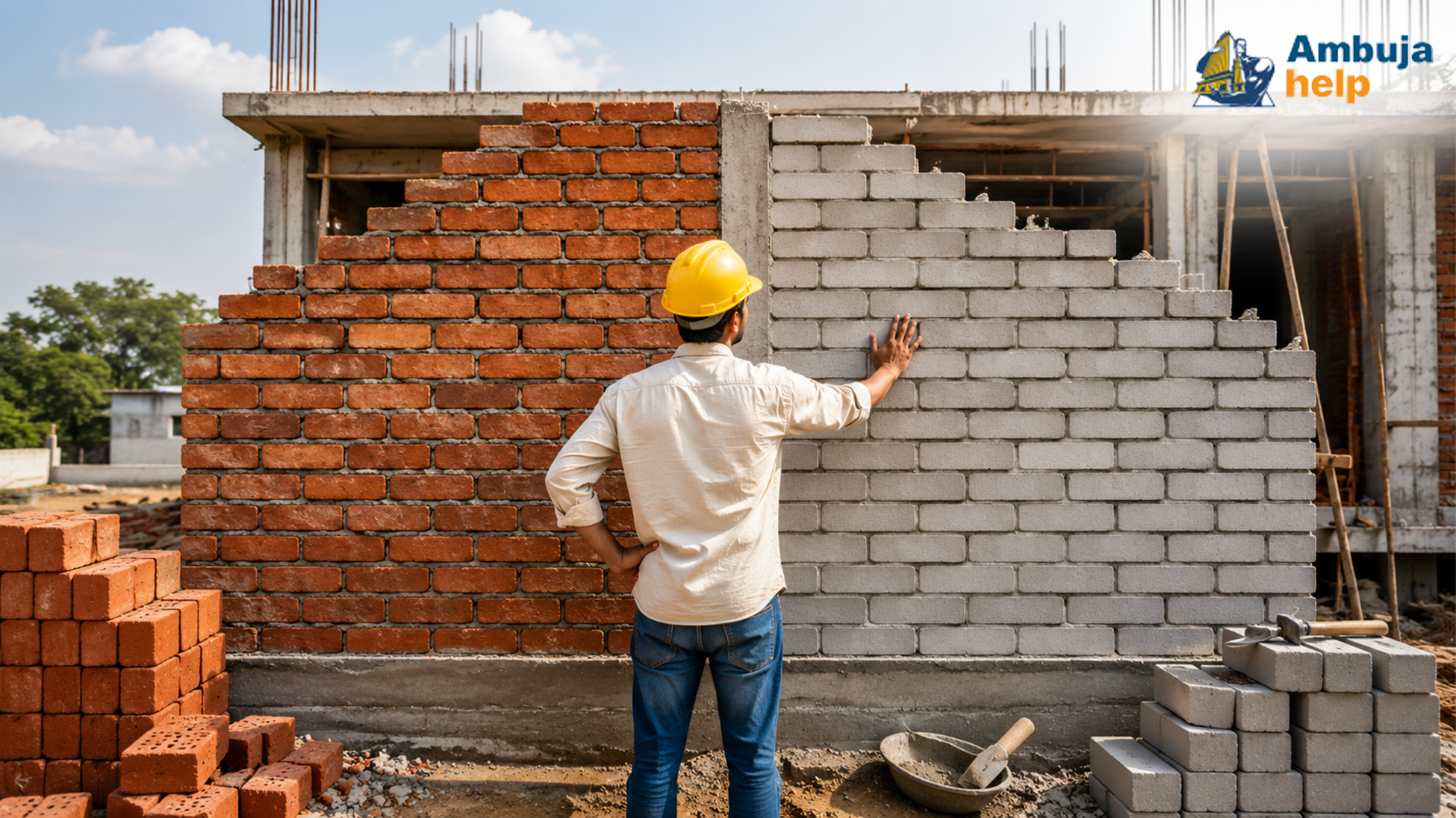
- Bricks
- Steel
- Paint
But cement has the biggest impact because it forms the core structure. Better cement means:
- Stronger home
- Longer life
- Lower environmental impact
That is why choosing wisely ensures both safety and sustainability are balanced equally.
The Future of Home Construction in India
India is moving toward greener construction practices, driven by:
- Environmental awareness
- Government regulations
- Modern technology
Sustainable cement will continue to play a major role in shaping stronger and more eco-friendly homes. Ambuja, with its flagship and premium range of cement solutions, has become a part of this transition, offering products designed to balance performance and sustainability for modern construction needs.
Final Thoughts
Building a sustainable home doesn’t need to be a web of complicated decisions and designs; it can simply begin with choosing the right materials.
Cement, being the foundation of the building, has the greatest influence on durability and environmental impact. Portland Pozzolana Cement stands out as one of the most economical and responsible choices for Indian homes. It offers strength, longevity, and sustainable benefits, making it ideal for homeowners who want to build wisely.
By focusing on quality and durability, you can create a home that not only protects your family but also contributes to a greener future.
FAQ’s
1. Which sustainable construction materials should I choose?
For strong and eco-conscious homes, consider blended cement, such as Portland Pozzolana Cement (PPC). Brands such as Ambuja Cement offer advanced PPC solutions that reduce carbon emissions, improve durability, and use industrial by-products responsibly, making them ideal for sustainable residential construction in India.
2. Why is PPC cement better for sustainable home construction?
PPC cement lowers clinker content and uses fly ash, reducing environmental impact without compromising strength. Ambuja Cement manufactures high-performance PPC that improves durability, crack resistance, and moisture protection, which ensures that your home remains strong, efficient, and environmentally responsible for decades.
3. How does sustainable cement improve long-term cost efficiency?
Sustainable cement reduces maintenance, repair frequency, and structural damage over time. Ambuja Cement designs its cement solutions for higher durability and strength, helping homeowners save on long-term repair costs while ensuring better lifecycle value from their construction investment.
4. Is sustainable cement suitable for Indian climate conditions?
Yes. India’s heat, humidity, and rainfall demand resilient materials. Ambuja Cement offers PPC cement with better moisture resistance, lower heat generation, and enhanced crack control, making it ideal for diverse Indian weather conditions and long-lasting structural performance.
5. How does choosing the right cement reduce environmental impact?
Cement impacts a building’s carbon footprint significantly. Ambuja Cement integrates sustainable manufacturing processes, reduces CO₂ emissions, and uses performance enhancers to create eco-friendly cement that supports greener construction without compromising structural strength or safety.