How To Blend Vastu in House Planning While Building Your Forever Home


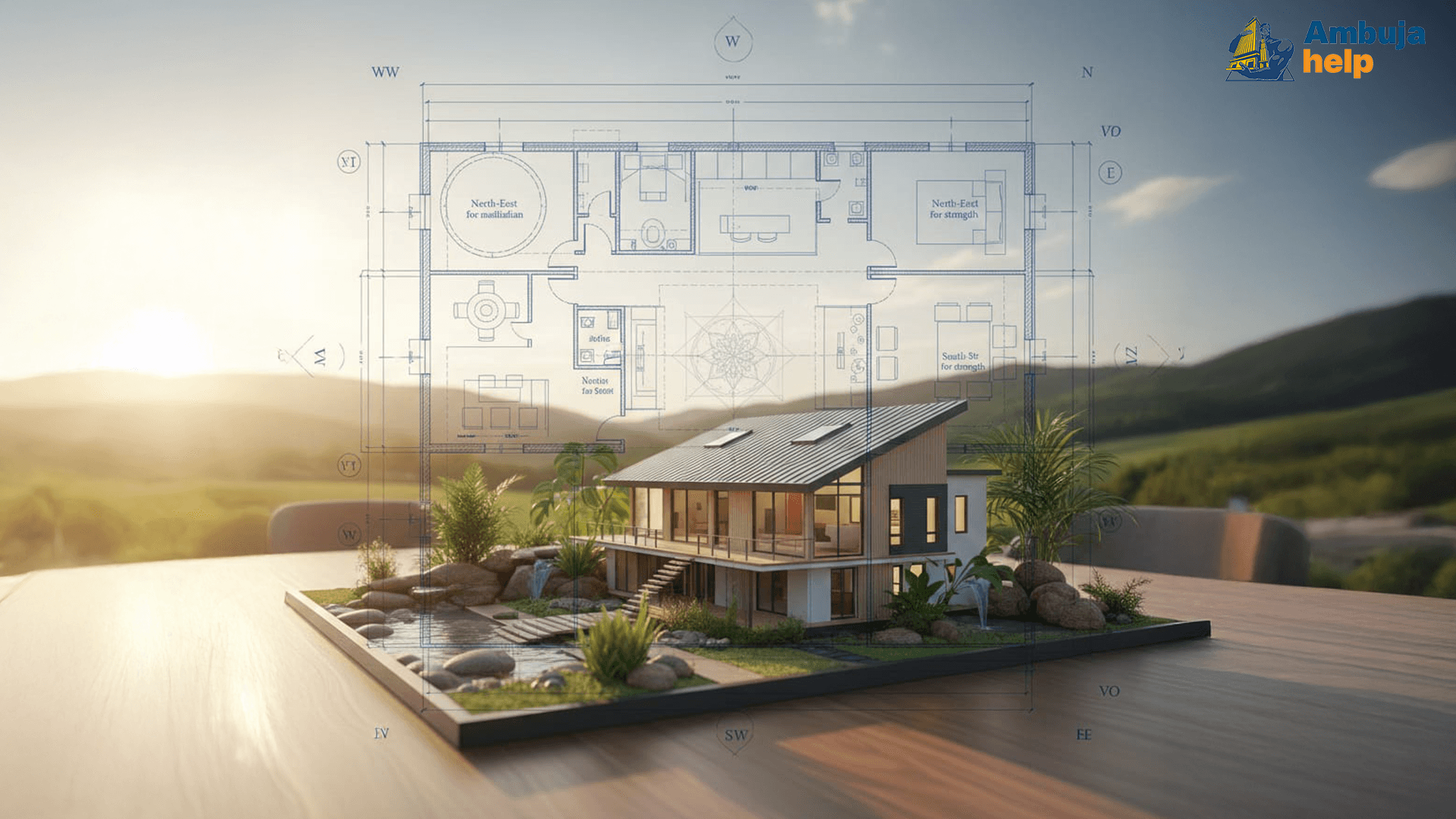
Table of Content
Building a forever home is one of life’s biggest and permanent milestones. More than just walls, beams, and finishes, it’s a space that speaks comfort, feels safe, reflects your growth and taste and becomes a place of bonding for the people you love. While modern interior design focuses on function and aesthetics, many first-time homeowners are also turning to Vastu Shastra to bring balance and positivity into their living spaces.
The good news? You don’t have to choose between science and tradition. With thoughtful house planning, you can blend Vastu principles easily into your design without compromising on your vision, comfort or practicality.
Why Vastu Still Matters in Modern Homes
At its core, Vastu Shastra is an ancient Indian system of home design that focuses on creating harmony between your living space and the natural world. It is based on balancing the five elements: air, water, fire, earth, and space, so they flow naturally through different parts of a home. The idea is simple: when a house is in sync with its surroundings, it feels more comfortable, functional, and peaceful.
At its core, Vastu is about how your home interacts with sunlight, air circulation, and the environment around it. When applied thoughtfully in the house construction plan, it helps improve ventilation, maximise natural light, and create a sense of balance that many modern homes strive for today.
Starting Right: Selecting Plot and Orientation
Every Vastu-guided home begins with the right plot. Ideally, a square or rectangular plot is the best for building homes as it allows energy to flow evenly. East- or north-facing plots, according to Vastu, are considered auspicious because they receive a good amount of sunlight and fresh air.
Orientation plays an important role in creating the foundation for your home. By aligning your building layout with the sun’s movement and wind directions, you naturally create healthier living conditions.
Designing a Balanced Layout
Once the plot is decided, the next step is the building layout, which decides how the space in your home will actually be divided. It includes symmetry, proportion, and clear zoning of spaces, keeping Vastu in mind. Living rooms are best planned in the north or east to entertain guests and light, while bedrooms in the southwest offer privacy and stability.
A well-thought-out layout during planning to ensure that rooms flow naturally, reducing the need for major changes later.
Room Planning For Better Energy Flow
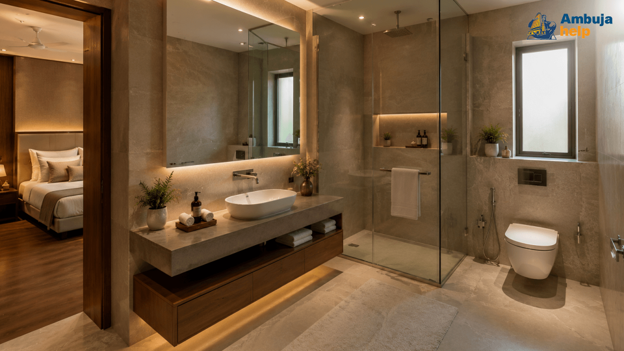
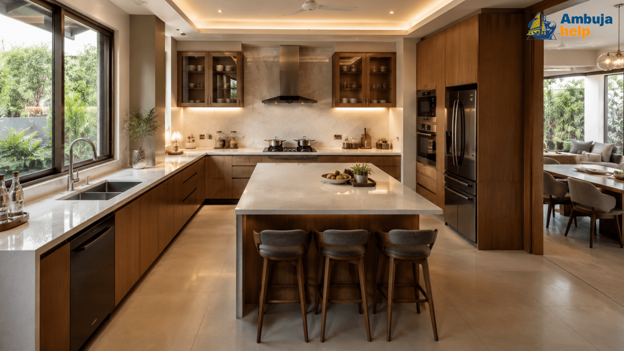
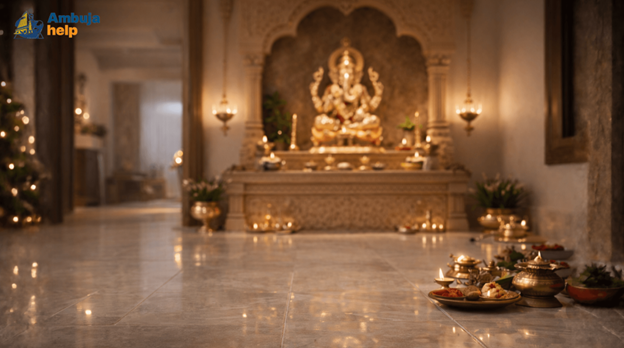
Different areas of the house are linked with different elements. The kitchen is linked with fire that works best in the southeast. Bedrooms are linked to earth, representing rest and grounding, best placed in the southwest. The prayer room represents air, which is best placed in the northeast.
These guides are just as practical as they are symbolic. For instance, placing kitchens where ventilation is good reduces risks of heat-related accidents, while bedrooms need to be quiet for better sleep quality and privacy.
Colours, Materials, and Natural Elements
Vastu doesn’t end at layout; it also helps balance colours and materials in the house. Light, earthy tones such as beige, cream, soft green, or white keep things calm. Dark colours, though they can be used, should be used with caution, as too much can close in the space and make it feel heavy.
Material quality also matters. Strong foundations, durable concrete, and reliable construction materials ensure that your home stands the test of time. This is where choosing trusted brands becomes important. Premium-quality cement from Ambuja Cement supports the building while allowing the designers the flexibility to create a home that aligns with Vastu and your vision.
Fixing Vastu Concerns After Construction
Sometimes, despite best efforts, Vastu concerns might spring up after construction. The reassuring part is that not all issues require tearing down the walls of your home. Simple solutions like improving lighting, rearranging furniture, using mirrors, or introducing plants can help restore balance.
Blending Tradition with Modern Living
The true essence of Vastu lies in mindfulness, being aware of how different spaces affect your well-being. When combined with smart design, good-quality materials, and professional expertise, Vastu becomes a natural extension of good architecture rather than a limitation.
A forever home should grow with you, offering comfort today and support for years to come. By integrating Vastu principles early in the house design while building your dream home with premium material from Ambuja Cement, you create a space that’s not only structurally sound but also emotionally fulfilling.
In the end, a well-built home is one where tradition and technology coexist, where every room feels right, every corner serves a purpose, and the house truly becomes a home.
FAQ’s
Q.1 What are the best house planning tips for new homeowners?
Start with a well-oriented plot, preferably square or rectangular, to ensure that every inch of the space is utilised properly. Focus on natural light, ventilation, and clear markings for the rooms. Combining thoughtful layout planning with trusted construction materials like Ambuja Cement ensures long-term strength, comfort, and flexibility in design.
Q.2 What are the important house Vastu tips for happiness?
Good Vastu focuses on harmony with natural elements like sunlight, airflow, and space. East or north-facing homes, clutter-free designs, and balanced room locations bring positivity. When paired with high-quality building materials from Ambuja Cement, Vastu supports both emotional well-being and structural stability.
Q.3 What are the best bedroom Vastu tips for a positive and balanced home?
Bedrooms are best placed in the southwest to encourage stability, privacy, and restful sleep. Use calming colours, minimal clutter, and proper ventilation. A strong, well-built structure using Ambuja Cement further enhances comfort, ensuring your bedroom remains a peaceful retreat for years.
Q.4 What are the steps in house construction?
House construction begins with plot selection and orientation, followed by layout planning, foundation work, structural construction, and finishing. Applying Vastu principles early and using reliable materials like Ambuja Cement ensures durability, design flexibility, and a home that supports both modern living and tradition.