How to Design a Building That Follows Vastu and Stays Strong


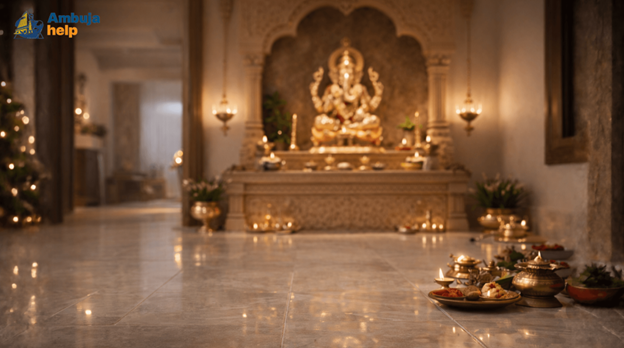
Table of Content
When people look over the layout of a house, they mainly focus on the number of rooms, the layout, the budget, and the materials. But in India, there's another part to this consideration that is essential for a positive living experience: Vastu Shastra.
For Indian families, a home is a space that shapes health, prosperity, and peace of mind. And while modern construction focuses on engineering and materials, Vastu Shastra brings in a perspective which is rooted in how natural energies interact with the spaces we live in.
The good news is that when you design a building with both Vastu guides and structural integrity in mind, the two actually reinforce each other more than most people realise.
What is Vastu Shastra, and Why Does It Still Matter?
Vastu Shastra is the Indian science of architecture. The word itself breaks down simply: Vastu, meaning house, and Shastra, meaning science or teaching. Together, it translates roughly to "the science of house construction."
Its principles believe that the five natural elements: earth, water, fire, air, and space, control the energy within a building. And when a home is laid out in line with these elements and their respective directions, that space promotes good health, stability, and well-being for the people living in it.
Whatever might be the reason for following Vastu, many of its recommendations, like good ventilation, natural light, stable foundations, and logical room placement, align neatly with modern building principles.
The Core Directions and What They Mean
Understanding direction is central to Vastu. Here's a quick reference guide:
| Direction | Represents | Best Use |
|---|---|---|
| North | Wealth and prosperity | Living room, entrance |
| East | Health and growth | Pooja room, windows |
| South | Strength | Staircase, storage |
| West | Stability | Bedroom |
| North-East | Spiritual energy | Pooja room, water tank |
| South-East | Fire energy | Kitchen |
| South-West | Strength and rest | Master bedroom |
| North-West | Movement | Guest room, bathroom |
Room-by-Room Vastu Guidelines
Here's a practical breakdown of the key house vastu tips for each major area of your home:
| Room | Recommended Direction | Why It Makes Sense |
|---|---|---|
| Main Entrance | North, East, or North-East | Allows morning light and positive energy in |
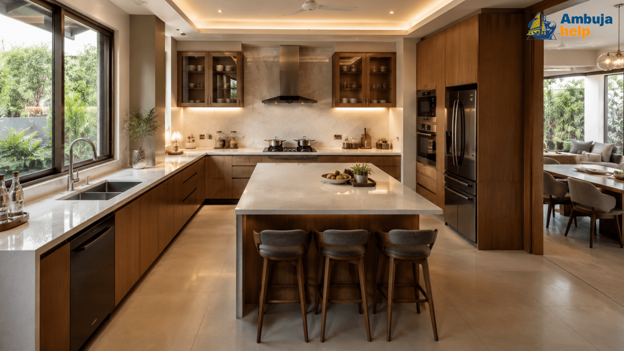
| Kitchen | South-East | Aligned with fire energy; good ventilation |
| Master Bedroom | South-West | Promotes rest and grounding |
| Pooja Room | North-East | First sunlight of the day; calm and spiritual |
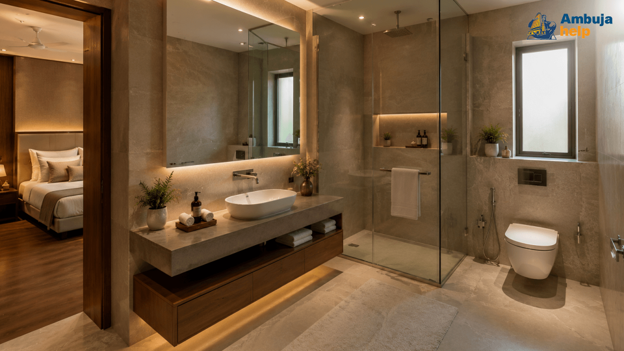
| Bathroom | East or North-West | Facilitates cleanliness and water flow |
| Staircase | South or West | Avoids cutting into energy-rich zones |
| Study Room | West or South-West | Mercury and Jupiter influence; promotes focus |
| Underground Water Tank | North-East | Stable ground; natural water energy |
| Overhead Water Tank | South-West | Weight balance and structural logic |
Structural Principles That Vastu and Architecture Both Agree On
Here's where Vastu and modern engineering speak the same language:
-
The Centre Should Be Open: A Vastu Shastra tip that works for both urban and open concept homes would be to keep the centre of the house open or at least uncluttered to allow air and energy to circulate freely. From a construction standpoint, this aligns with a design plan that reduces moisture and improves air quality throughout the home.
-
Wide Base, Stable Structure: Vastu principles suggest the base of any building should be its widest point, ensuring stability. This tip is similar to the engineering principle of load distribution that ensures the building remains stable.
-
Avoid Large Corner Openings: Another vastu shastra tip is to avoid large openings at the corners of a house. Structurally, corners are load-bearing zones, and large openings there can compromise the integrity of the walls.
-
Ground Connectivity: As per Vastu, a building should be well-connected to the ground. And as per modern construction practices, solid foundations are essential to ensure building safety.
Vastu Do's and Don'ts at a Glance
| Area | Do | Avoid |
|---|---|---|
| Main Entrance | Face North, East, North-East | South-West facing entrance |
| Kitchen | Build in South-East | North-East placement |
| Master Bedroom | South-West | North-East |
| Pooja Room | North-East | South-West |
| Bathroom | East or North-West | North-East |
| Centre of House | Keep open, clutter-free | Heavy construction or walls |
| Staircase | South or West | North-East |
Designing for Vastu: Practical Tips for Home Building
If you're starting from scratch or working with an architect, here are ways to bring Vastu into the planning process without complicating things:
-
Start at the Site Selection Stage: Vastu gives directions on plot shape and orientation. A square or rectangular plot with its longer axis running north-south is best for home construction.
-
Discuss It with Your Architect Early: Vastu adjustments are easiest to incorporate at the design stage, but become expensive once construction has started.
-
Don't Over-Engineer Small Spaces: House vastu tips suggest keeping certain zones light and open. Avoid cramming storage or heavy fixtures into zones meant to remain airy.
-
Ensure Your Foundation is Solid. Vastu places great importance on a strong foundation; it's seen as the base of not just the structure, but the family's stability and future.
Final Thoughts
Vastu Shastra and sound construction are not that surprisingly compatible. That’s why the best approach is to design a building with both in mind from day one: orient your rooms thoughtfully, keep ventilation and light central to your plan, build a strong foundation, and choose your materials with care. Because a home that is both Vastu-aligned and structurally sound is a home built to shelter your family in every sense of the word.
Frequently Asked Questions
Q.1 Which home design plans are best suited for Indian homes?
The best home design plans balance Vastu principles with structural strength. Layouts that maximise natural light, ventilation, and directional alignment work well. Using reliable materials from Ambuja Cement ensures these designs are supported by strong foundations and durable construction suited to India’s diverse climate conditions.
Q.2 What are the important house Vastu tips for happiness?
Key Vastu tips include placing the entrance in the North or East, keeping the centre open, and aligning rooms with directional energy. Pairing these principles with quality construction materials from Ambuja Cement helps create a home that is not only energetically balanced but also structurally secure and long-lasting.
Q.3 How does Vastu Shastra align with modern construction practices?
Vastu emphasises ventilation, natural light, and strong foundations, principles that modern engineering also prioritises. Using trusted materials from Ambuja Cement ensures these shared goals are achieved, delivering homes that are both Vastu-compliant and built to withstand environmental and structural stresses over time.
Q.4 Why is foundation strength important in Vastu-compliant homes?
In Vastu, a strong foundation symbolises stability and prosperity. Structurally, it ensures safety and durability. High-performance cement from Ambuja Cement provides the strength and consistency needed to build solid foundations that support both the physical structure and the long-term well-being of residents.
Q.5 Can Vastu principles be followed without increasing construction costs?
Yes, Vastu can be integrated during the design phase without significantly increasing costs. Smart planning and efficient material use are key. Choosing dependable products from Ambuja Cement reduces rework and maintenance expenses, helping homeowners achieve both Vastu alignment and cost-effective construction outcomes.