How The Right Building Plan for a House Reduces Material Waste and Cost


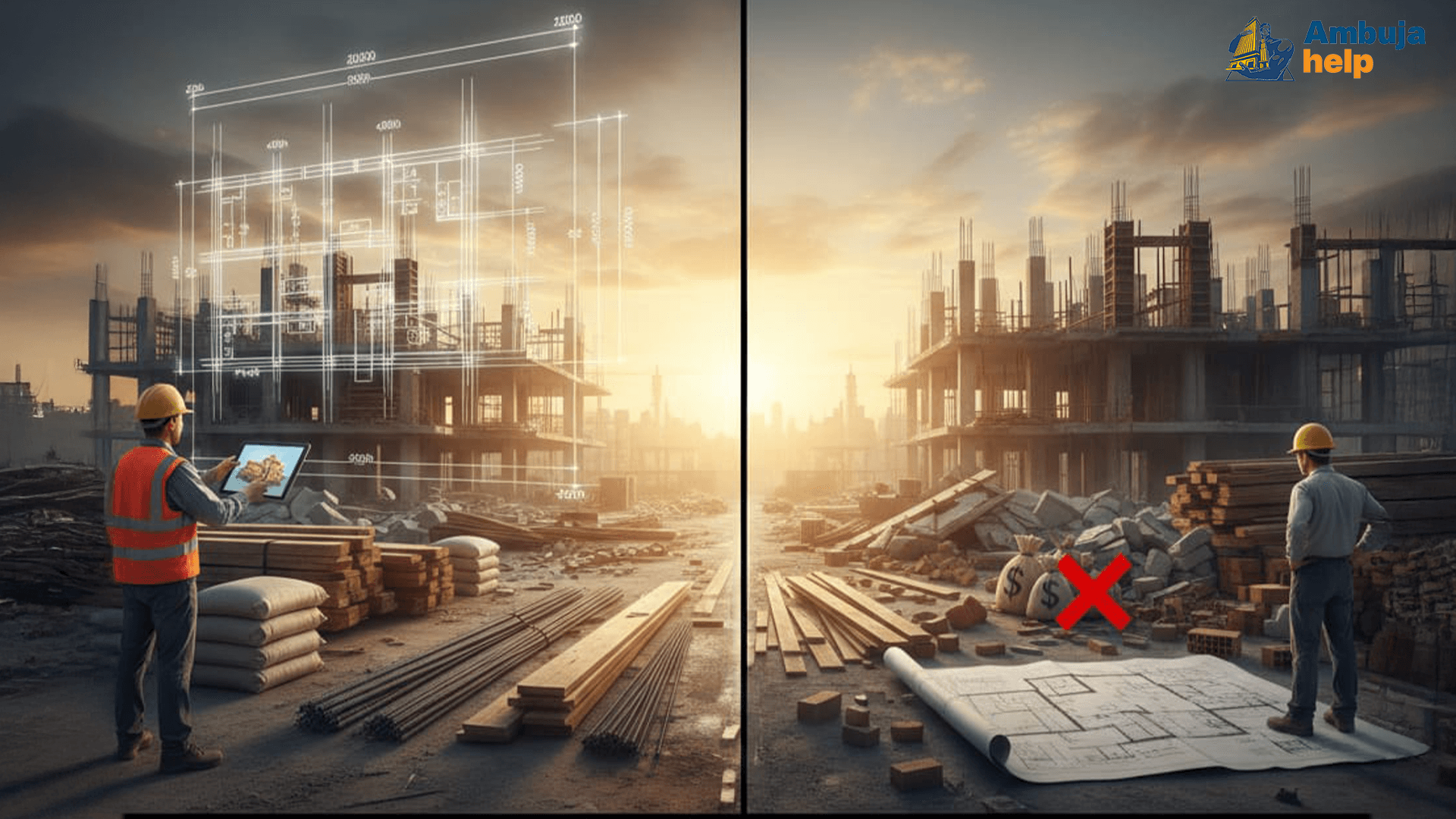
Table of Content
Anyone who has ever seen a construction site knows how messy things can get. Unused bricks piled in corners, broken tiles, plastic wraps blowing around, and leftover concrete going to waste. Beyond being an eyesore, this also contributes to increased expenses and drains resources. The truth is, a large portion of construction waste is avoidable, and it often comes down to one key factor: planning.
A well-thought-out house construction plan does more than shape how your home looks. It helps you clearly understand how much material you’ll need, keeps the construction process running smoothly, and prevents last-minute confusion. Most importantly, it reduces unnecessary waste and extra costs, saving both time and money as the work moves forward.
Why Construction Waste Happens in the First Place
Nobody wants to be in a situation where construction material goes to waste. In most cases, this happens due to rushed decisions, wrong quantity estimates, poor coordination, or last-minute design changes. That is why it’s important to have a backup plan to manage excess materials that aren’t part of the initial plan.
Plus, globally, construction waste contributes nearly one-third of landfill waste. For homeowners, this directly affects budgets, timelines, and site safety. The good news? Most of this can be controlled with smarter planning and execution.
What Smart Planning Really Means
A smart building plan doesn’t aim for zero waste, because that’s rarely realistic, but it does aim to minimise waste, reuse what’s possible, and recycle what can’t be reused. This approach benefits both the environment and your wallet.
At the planning stage, this means:
- Accurate material estimation
- Thoughtful design that avoids rework
- Selecting materials with long life and low breakage
- Planning storage and waste segregation before construction begins
How Planning Directly Impacts Material Waste
1. Accurate Quantity Estimation
One of the biggest contributors to waste is over-ordering. Using a good construction cost calculator along with detailed drawings helps calculate precise quantities of cement, steel, bricks, and finishes. This avoids piles of unused material at the end of the project.
2. Efficient Design Choices
Simple, modular designs reduce repeated adjustments. Standard room sizes, consistent wall thicknesses, and repeated elements make construction more predictable and material-efficient.
3. Early Coordination
When architects, engineers, and contractors align early, there’s less chance of mid-project changes that lead to demolition and rebuilding, one of the biggest sources of waste.
The Cost Connection: Waste vs Spending
Many homeowners focus only on material prices, but waste plays a huge role in overall spending. Poor planning can inflate the construction cost per square foot without adding any real value to the home.
Here’s how planning affects cost:
| Planning Element | Impact on Waste | Impact on Cost |
|---|---|---|
| Precise material estimates | Reduces excess stock | Lowers material expenses |
| Standardised design | Fewer offcuts | Less labour and rework |
| Proper storage planning | Prevents damage | Avoids replacement costs |
| Waste tracking | Identifies inefficiencies | Improves budget control |
Common Pitfalls That Increase Waste
Even with good intentions, certain mistakes can derail waste reduction efforts:
- Skipping waste planning at the design stage: Leads to reactive, expensive fixes later
- Poor material storage: Results in damage from weather or mishandling
- Ignoring recyclable materials: Mixed waste often ends up in landfills
- Lack of worker awareness: Plans fail if the on-site team isn’t aligned
Avoiding these pitfalls requires clarity and effective communication with all members and stakeholders involved in the construction project, which begins with the building plan itself.
Strategies That Help Reduce Waste On-Site
Design for Material Efficiency
Designers can optimize layouts to reduce material needs, like using standard dimensions that cut down waste significantly.
Choose Quality Materials
Durable materials reduce the scope for rework and replacement. For example, using high-quality cement ensures consistent strength and better workability. Trusted brands like Ambuja Cement deliver building materials trusted for reliability and consistency, which helps builders work more efficiently with fewer errors.
Plan for Waste Segregation
Setting up separate bins for wood, metal, concrete, and plastic right from the start makes recycling easier and keeps the site organised.
Track and Audit Waste
Maintaining a simple waste log helps teams understand where losses occur and correct them early. Even small tracking efforts can lead to meaningful savings over time.
How Workers Play a Role
No plan works without people. When workers understand why managing the available material matters, compliance improves naturally. Short site briefings, clear signage, and colour-coded bins go a long way in creating cleaner, safer sites.
Long-Term Benefits of Smarter Planning
Reducing waste isn’t just about saving money during construction; it has long-term advantages:
- Cleaner and safer construction sites
- Reduced environmental impact
- Better project timelines
- Improved quality of finished work
- Higher resale value due to quality construction
A thoughtfully designed house plan sets the tone for all of this.
Final Thoughts
Waste in construction is not inevitable; it’s more of a result of rushed or incomplete planning. By investing time in a detailed building plan, homeowners can visibly reduce material waste, control budgets, and create a smoother construction experience.
When smart planning is combined with reliable materials, such as premium cement solutions from Ambuja, builders gain better control over quality, efficiency, and long-term durability.
In the end, the right plan doesn’t just build a house. It builds responsibly, efficiently, and with respect for both your budget and the environment.
FAQ’s
Q.1 How is building construction cost estimated?
Construction cost is estimated on the basis of the detailed design plan, material quantity calculations, labour costs, and site conditions. Smart planning and accurate estimates help reduce waste. Using reliable materials ensures predictable results and better budget control.
Q.2 What are the essential building materials for house construction?
Essential materials for any residential construction include cement, steel, sand, aggregates, bricks or blocks, and water. Choosing high-quality cement improves strength, workability, and durability, helping minimise rework and construction waste.
Q.3 What is the best cement in India for home building?
The best cement is the one that delivers consistent strength, durability, and protects the house from external stresses for decades. Ambuja Cement is a trusted brand across India for its quality, workability, and long-term structural strength, making it ideal for efficient and responsible home construction.
Q.4 Which building construction materials are the most durable?
Durable construction materials include cement, reinforced steel, concrete blocks, and engineered bricks. Premium products like Ambuja Plus improve bonding and reduce long-term wear, helping homes withstand weather, load, and time with very little maintenance.
Q.5 How to calculate building material quantity?
The simplest way to calculate the total building material required for the project is to use a digital construction cost calculator. Accurate planning helps avoid over-ordering and waste. Using consistent-quality materials ensures precise use and smoother on-site execution.