How Engineers Estimate Building Construction Cost Methods Steps and Best Practices


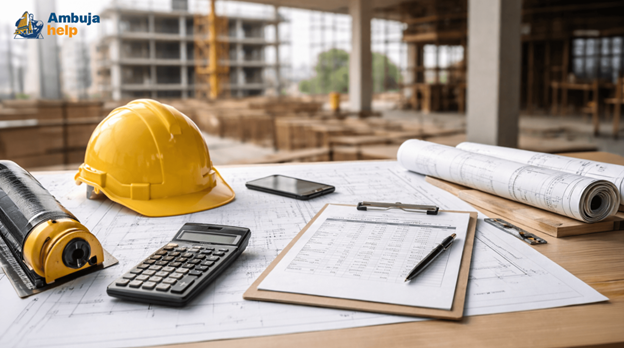
Table of Content
For anyone who has built a home in India, they'll tell you the same thing: the final cost of building construction rarely matches what they had in mind. Sometimes it's higher, occasionally lower, but rarely exact. That's because construction cost estimation is genuinely complex, and doing it well requires an approach that most people outside the profession don't have an idea about.
That is why understanding how engineers approach this process puts you in a much stronger position as a homeowner by helping you ask better questions, set realistic goals, and avoid the budget scares that disturb the project.
What is Construction Cost Estimation?
At its most basic, construction cost estimation is the process of calculating how much a building project will cost before it's built. This includes every direct cost (materials, labour, equipment) and indirect cost (permits, site supervision, legal fees, contingencies) that the project is likely to incur. A good estimate defines scope, guides resource planning, informs timelines, and forms the foundation for every decision that follows.
When Should Cost Estimation Begin?
The earlier, the better. Ideally, cost estimation begins at the concept phase. The further along a project is when you start estimating, the less flexibility you have to make changes without incurring costs.
There are two distinct contexts where cost estimation is done:
For bidding, contractors preparing a bid use project documents like design drawings and site reports to build a detailed cost estimate. This helps them determine whether a project is worth bidding on and at what price.
For project management: Once a contract is signed and before building construction begins, a fresh estimate is prepared to guide actual spending, flagging potential complications before they become expensive problems.
The Five Levels of Construction Cost Estimates
| Level | Stage | Purpose | Accuracy |
|---|---|---|---|
| Order of Magnitude | Pre-concept | Feasibility check | Very rough |
| Intermediate Estimate | Concept | Project viability | General |
| Preliminary Estimate | Early design | Budget setting | Moderate |
| Substantive Estimate | Detailed design | Unit-cost based planning | Good |
| Detailed Estimate | Final design | Tendering & contracts | High |
How Engineers Calculate Construction Costs
1. Unit Cost Method
This is the most commonly used method for residential building construction in India. The estimates break down the project into individual components like foundation, walls, columns, roof slab, plastering, and assign a unit cost to each based on current material rates and labour charges.
For example, if the unit cost of RCC work is ₹X per cubic metre, and the project requires Y cubic metres, the calculation is simple. Sum up all units across all components, and you have your estimate.
2. Square Footage Method
This is a quicker approach used early in the planning process. The estimator multiplies a standard cost per square foot (based on the type and quality of construction in a given area) by the total built-up area.
3. Parametric Estimating
Used for larger or more complex projects, this method uses previous data and calculation models to predict costs based on specific project parameters like number of floors, structural system type, location, and so on.
What Goes Into a Construction Cost Estimate?
A comprehensive estimate includes multiple cost categories:
| Cost Category | Inclusions |
|---|---|
| Direct Costs | Materials, labour, equipment |
| Indirect Costs | Site overheads, permits, supervision |
| Subcontractor Costs | Electrical, plumbing, and waterproofing work |
| Contingency & Margin | Risk buffer and contractor profit |
The contingency component, usually 5–15%, is crucial. It protects the project from unexpected cost increases, especially when experimenting with sustainable construction materials or new construction techniques.
Step-by-Step Estimation Process
Engineers follow a structured approach to ensure accuracy:
- Define Project Scope: Includes area, number of floors, design complexity, and finish levels
- Quantity Takeoff: Calculate exact material requirements from drawings
- Apply Market Rates: Multiply quantities by current material and labour rates
- Add Indirect Costs: Include permits, utilities, site management, and overheads
- Include Contingency and Profit: Add buffers for risk and contractor margins
- Review and Validate: Cross-check with past projects and refine assumptions
This systematic process ensures that every aspect of the project is accounted for.
Common Challenges in Cost Estimation
Even experienced engineers face challenges that can affect accuracy:
- Market volatility: Fluctuations in cement and steel prices
- Scope changes: Mid-project design modifications
- Incomplete site data: Unexpected soil or drainage conditions
- Time pressure: Rushed estimates leading to missing details
- Lack of benchmarks: Difficulty pricing unique designs
A Practical Starting Point for Homeowners
Before engaging with contractors, homeowners can benefit from early-stage estimation tools. Ambuja Cement’s home cost calculator provides a precise India-specific estimate based on inputs such as location and project size. While not a substitute for detailed engineering estimates, such tools offer a practical starting point and help set realistic expectations for your building construction budget.
Conclusion
Construction cost estimation is not guesswork but a structured process built on technical expertise, data, and planning. From selecting the right building material to evaluating the use of sustainable construction materials, every decision impacts the final cost. A well-prepared estimate minimises risks, controls expenses, and ensures smoother project execution.
For homeowners, understanding how engineers estimate costs brings clarity and confidence. It helps you engage better with professionals, make informed decisions, and avoid unexpected financial stress. In the end, a carefully estimated project forms the foundation of a successful and well-executed build.
Frequently Asked Questions
Q.1 Which building construction materials are most durable?
Durability depends on using high-quality cement, steel, and aggregates. Ambuja Cement is known for consistent strength and long-term performance, helping structures withstand environmental stress. Choosing reliable materials at the estimation stage reduces maintenance costs and improves the lifespan of residential construction projects.
Q.2 Which sustainable construction materials should I choose?
Sustainable construction focuses on materials like fly ash-based cement and recycled aggregates. Ambuja Cement offers solutions like Compocem that reduce environmental impact without compromising strength.
Q.3 What are the essential building materials for house construction?
Core materials include cement, steel, sand, aggregates, and concrete. Ambuja Cement provides a range of cement solutions suited for foundations, slabs, and finishing work. Using trusted materials ensures accurate cost estimation, structural integrity, and smoother execution across all stages of home construction.
Q.4 Which cement brands are top-rated in India?
Top-rated cement brands are defined by consistency, availability, and performance. Ambuja Cement stands out due to its strong supply network, innovative products, and reliable quality. It is widely preferred by engineers and contractors for residential and infrastructure projects across India.
Q.5 How can homeowners estimate construction costs more accurately?
Accurate estimation requires understanding material costs, labour, and contingencies. Tools like the cost calculator from Ambuja Cement provide a practical starting point. Combined with quality materials and expert input, this helps homeowners plan budgets realistically and avoid unexpected cost overruns.