Construction Cost Calculator Per Square Foot: A First-Time Homeowner’s Guide


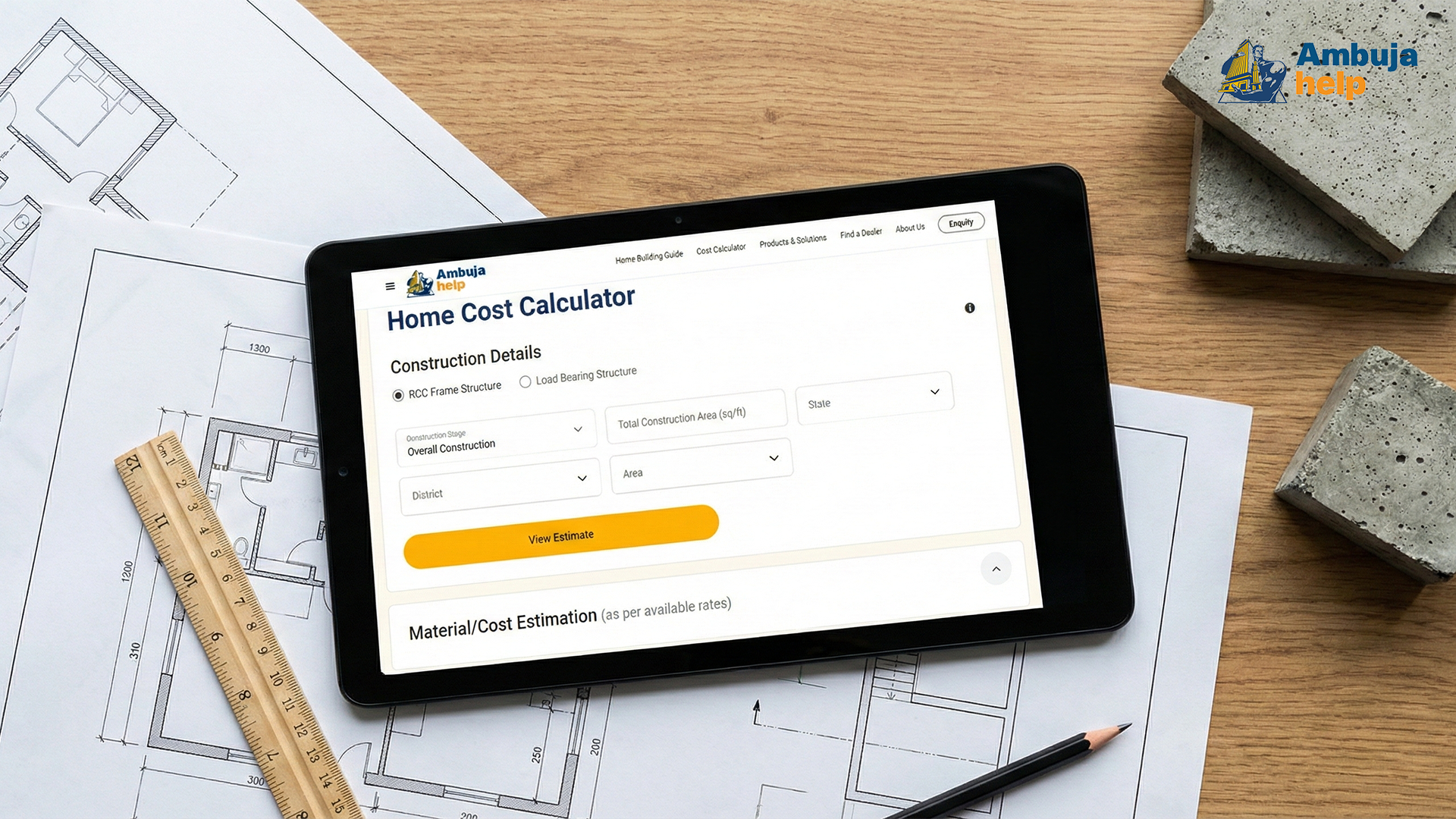
Table of Content
New beginnings bring excitement and an equal part of anxiety with it. And that goes true with every new construction, especially building your forever home. There are drawings to finalise, materials to shortlist, labour to coordinate, and, most daunting of all, figuring out how much it’s all going to cost. Many first-time homeowners make errors in calculating expenses and end up stretching their budgets far beyond what they planned.
This is where understanding the overall construction cost per square foot makes the house planning and building process less stressful for them.
What Does The Cost Per Square Foot Mean?
In simple terms, the total building cost per square foot is the average amount it costs to build one square foot of your house. It includes expenses such as basic materials, labour, and standard construction activities. While it’s not a final figure, it gives you a reliable starting point for having a picture of your total budget.
For example, if the average cost is ₹1,800 per sq ft and your home is 1,200 sq ft, your base construction cost would be approximately ₹21.6 lakh. This figure will change depending on design, material quality, and location, but it’s a practical benchmark for first-time planning.
Why First-Time Homeowners Need a Cost Calculator
Many people rely on just guesswork based on subjective advice from friends or neighbours. While they mean well, these estimates rarely match what you need or your situation. A digital cost calculator, on the other hand, considers multiple differences and gives a more tailored estimate.
Here’s how it helps:
- Breaks down costs into materials, labour, and finishing
- Adjusts estimates based on your city or region
- Helps you compare standard vs premium choices
- Reduces the risk of budget overruns
Instead of guessing, you’re making decisions based on accurate data.
Key Factors That Affect Construction Cost
Before using any calculator, it helps to understand what influences the final numbers.
| Factor | How It Impacts Cost |
|---|---|
| Built-up Area | Larger homes require more materials and labour |
| Number of Floors | Multi-storey homes increase structural costs |
| Material Quality | Premium materials raise cost but improve durability |
| Labour Rates | Vary by city, skill level, and availability |
| Finishing Level | Flooring, paint, and fittings add to the budget |
| Site Conditions | Excavation, soil type, and access affect expenses |
Knowing these elements ensures you enter accurate details and get reliable results.
How a Construction Cost Calculator Works
Most calculators are simple and user-friendly. You typically enter:
- Total built-up area
- Location (state, district, or city)
- Type of structure (independent house, duplex, etc.)
- Preferred material quality
- Level of finishing
Based on these data, the tool estimates material quantities (cement, steel, sand, bricks), labour costs, and an overall budget.
Sample Cost Breakdown (Illustrative)
To give you an idea, here’s a simplified example for a 1,000 sq ft single-floor home.
| Cost Component | Approximate Share |
|---|---|
| Materials | 55–60% |
| Labour | 25–30% |
| Finishing & Fixtures | 10–15% |
| Contingency | 5–10% |
This helps you see where your money goes and where adjustments are possible.
Common Mistakes First-Time Builders Should Avoid
Even with a calculator, errors can happen if you’re not careful. Watch out for these common pitfalls:
- Using approximate measurements instead of precise area calculations
- Ignoring permit fees, taxes, and utility connections
- Not keeping a surge fund for unexpected costs
- Assuming labour rates are the same across regions
- Choosing materials based only on price, not long-term value
Avoiding these mistakes keeps the construction project financially stable.
Why Material Quality Matters for Cost Efficiency
It might sound ironic, but it’s a fact. Choosing high-quality materials saves a lot of money in the long run. Durable materials reduce the frequency of maintenance, repairs, and building issues over time. This is where trusted brands matter.
Ambuja Cement, for instance, is widely regarded as a premium choice for reliable strength and consistency. Homeowners benefit the most by purchasing high-quality material based on proper cost considerations, which ensures that their idea of home is transformed into a reality without cutting any corners.
Using Cost Estimates to Make Smarter Decisions
With an accurate cost estimate you can:
- Decide whether to increase or reduce the working area
- Compare standard finishes with premium alternatives
- Phase construction to match cash flow
- Communicate clearly with contractors and banks
Build with Confidence
Building your first home is an important milestone, one that requires careful planning. Understanding construction costs using a precise calculator gives you control over your budget, materials, and timeline. When thoughtful planning meets quality construction materials like Ambuja Cement, you’re setting the foundation for a home that’s strong, durable, and financially sound.
With the right tools and information, your dream home doesn’t have to come with budget stress; it can be built smart, step by step, with confidence.
FAQ’s
1. What is the construction cost per square foot in India?
Construction cost per square foot in India depends on the region, materials, labour, and basic structural work. Costs also vary based on city, material quality, design complexity, and finishing level. Premium specifications and metro locations generally push rates higher.
2. What is a construction cost calculator, and how does it work?
A construction cost calculator is a digital tool that estimates total building expenses based on inputs like the total area, location, material quality, and finishing level. It calculates approximate material quantities, labour charges, and overall cost, helping homeowners plan budgets accurately.
3. What factors affect construction cost per square foot?
Key factors include built-up area, number of floors, material quality, labour rates, finishing specifications, and site conditions. Soil type, accessibility, and regional regulations also influence costs. Premium materials and complex designs also increase expenses.
4. How does construction cost per square foot vary by city?
Construction costs vary significantly by city due to differences in labour charges, material availability, transport expenses, and local regulations. Metro cities like Mumbai, Delhi, and Bengaluru generally have higher per square foot costs compared to tier-2 and tier-3 cities because of demand and operating expenses.
5. Construction cost per square foot for an independent house vs an apartment
An independent house usually has a higher per square foot construction cost than an apartment because the entire building expense, foundation, and roofing are paid individually. In apartments, costs are distributed across units, making per-square-foot construction comparatively lower for buyers.