Construction Budget Planning: A Complete Guide for Homeowners


Table of Content
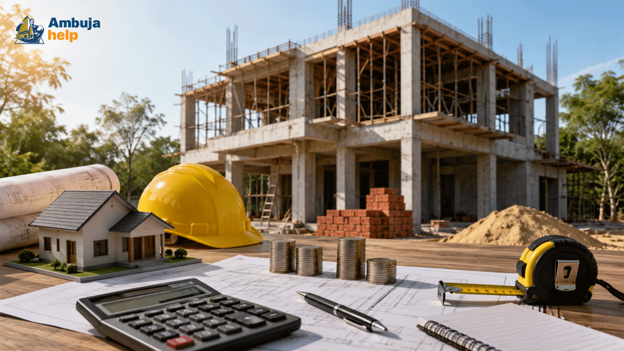
Building a dream home from the ground-up is a tall task for any Indian family, and while creating the perfect design is exciting, planning your finances is equally important. A realistic house construction budget helps you manage expenses, avoid unexpected costs, and ensure your project progresses smoothly from foundation to finishing.
Why Construction Budget Planning Matters
A construction budget serves as a financial roadmap throughout your home-building journey. It helps homeowners estimate expenses, allocate resources correctly, and prepare for unexpected costs while making sure that every stage of construction stays within the planned financial limits.
Benefits of construction budgeting:
- Prevents overspending
- Improves financial planning
- Helps prioritize essential work
- Reduces project delays
- Enables informed purchasing decisions
- Keeps construction financially organized
Understand the Construction Stages
Every home is built in phases, and each stage contributes differently to the overall project cost. Understanding these stages helps homeowners distribute funds appropriately and monitor spending more effectively throughout the construction process.
| Construction Stage | Approximate Cost Share |
|---|---|
| Site preparation and excavation | 5% |
| Foundation work | 10% |
| Structural framework | 20% |
| Roofing | 8% |
| Plumbing and electrical work | 15% |
| Doors and windows | 7% |
| Flooring and finishes | 20% |
| Painting and interiors | 10% |
| Landscaping and external work | 5% |
Construction Materials
Building materials account for a significant portion of the overall construction expense. Preparing a realistic building materials budget allows homeowners to purchase quality products while avoiding shortages, unnecessary wastage, and last-minute price fluctuations during construction.
Materials commonly included are:
- Cement
- Steel
- Bricks
- Sand
- Aggregates
- Roofing materials
- Plumbing supplies
- Electrical fittings
- Flooring materials
- Paints and finishes
Labour Costs
Labour expenses vary depending on project complexity, location, and contractor expertise. Hiring experienced professionals may cost slightly more initially but often results in better workmanship, faster completion, and fewer repairs in the future.
Labour expenses include:
- Masonry work
- Carpentry
- Plumbing installation
- Electrical work
- Painting
- Tile installation
- Roofing labour
- Site supervision
Design and Professional Fees
Professional planning ensures your home is structurally sound, looks as per your taste, and is built as per the local regulations. These costs should be included early in the budget to avoid financial surprises during the planning stage.
Professional services may include:
- Architectural design
- Structural engineering
- Interior design
- Site surveys
- Project consultation
- Drawing approvals
Permits and Government Approvals
Obtaining legal approvals before construction prevents future complications and project delays. Every homeowner should include these mandatory charges in their financial planning before construction work begins on-site.
| Approval | Purpose |
|---|---|
| Building permit | Legal construction approval |
| Plan approval | Municipal clearance |
| Inspection fees | Compliance verification |
| Utility approvals | Water and electricity connections |
Site Preparation
Preparing the construction site is the first step of any project. Proper groundwork creates a stable base for construction while preventing structural issues and delays during later stages of the project.
Site preparation activities include:
- Land clearing
- Excavation
- Soil levelling
- Boundary marking
- Temporary fencing
- Waste removal
Utility and Infrastructure Costs
Many homeowners overlook utility expenses during budgeting. Planning these costs early ensures a smooth transition once construction is complete and the home is ready for occupancy.
Utility expenses include:
- Electricity connection
- Water supply
- Drainage system
- Gas connection
- Internet infrastructure
- Septic or sewage systems
Contingency Fund
Unexpected expenses are almost inevitable during construction. A contingency reserve protects your finances from material price increases, weather delays, or design modifications without disrupting project progress or quality.
Experts recommend reserving funds for:
- Material price increases
- Labour cost variations
- Design modifications
- Emergency repairs
- Unexpected approvals
- Construction delays
Insurance and Financing Costs
If your home construction is financed through a loan, associated financial costs should also become part of your planning. Insurance further safeguards both the project and your investment during construction.
Common financing expenses include:
- Loan processing charges
- Interest payments
- Builder's risk insurance
- Liability insurance
- Documentation fees
Landscaping and Exterior Development
Completing the home extends beyond the building itself. Exterior development improves both functionality and visual appeal while adding long-term value to your property and creating a welcoming environment.
Exterior development may include:
- Driveways
- Compound walls
- Garden landscaping
- Outdoor lighting
- Walkways
- Rainwater drainage
Smart Tips to Stay Within Budget
Careful planning and regular monitoring help homeowners maintain financial discipline throughout construction. Following practical budgeting strategies minimizes unnecessary expenses while ensuring the project remains aligned with the original plan.
| Budgeting Tip | Benefit |
|---|---|
| Finalize designs before construction | Reduces costly modifications |
| Compare supplier quotations | Better pricing |
| Purchase quality materials | Lower maintenance costs |
| Monitor expenses regularly | Prevents overspending |
| Maintain contingency funds | Covers unforeseen costs |
| Hire experienced contractors | Improves workmanship |
Invest in Quality Construction Materials
Choosing premium construction materials may involve a higher initial investment, but they significantly improve structural strength, durability, and long-term performance. Quality materials also reduce future maintenance and repair expenses for homeowners.
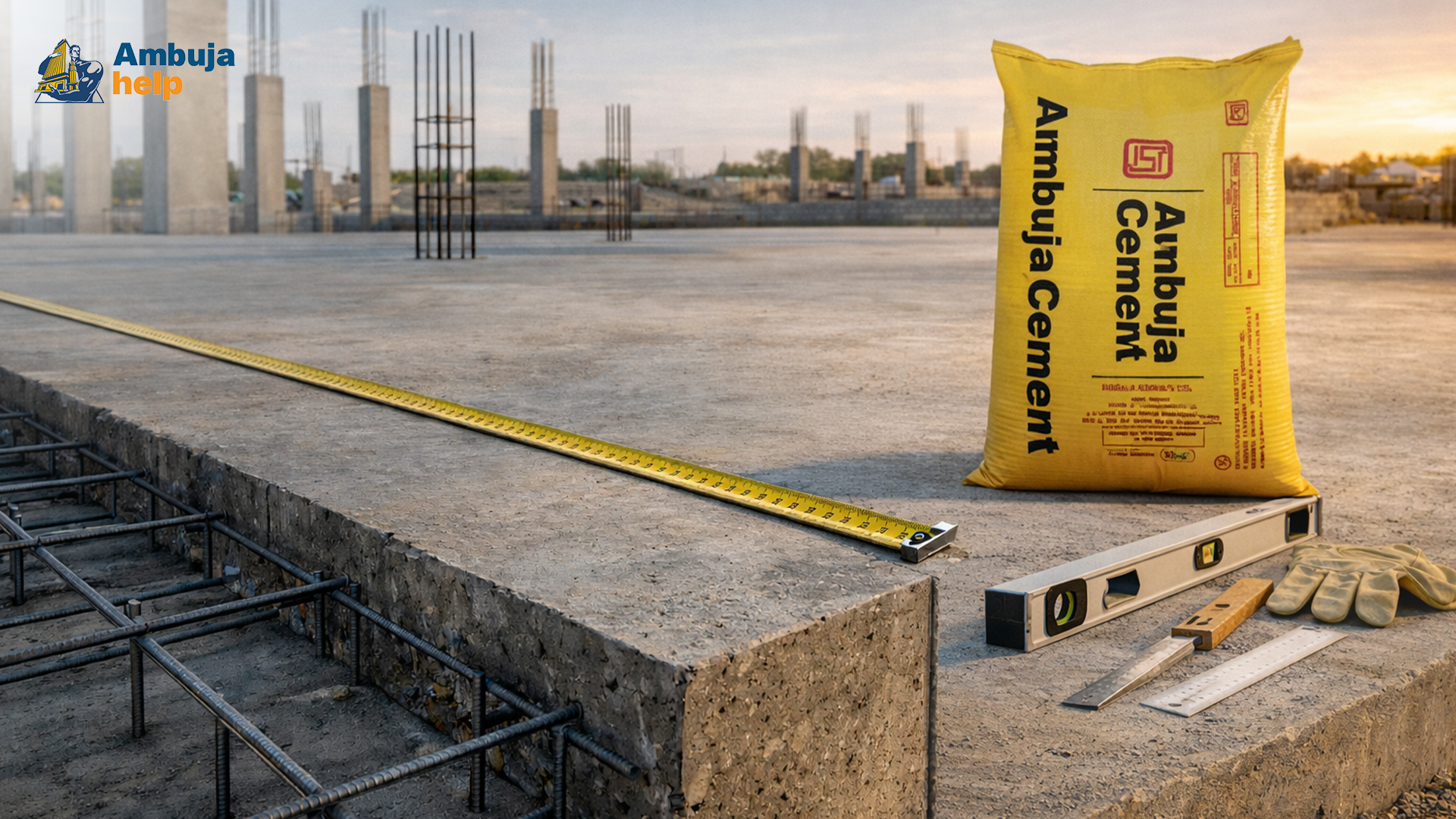
For reliable residential construction, trusted brands like Ambuja provide premium-quality cement raw materials that contribute to stronger foundations, improved durability, and long-lasting homes without compromising construction quality.
Common Budgeting Mistakes to Avoid
Many construction projects exceed their planned budget due to avoidable mistakes. Recognizing these common errors early allows homeowners to make better financial decisions and maintain control over the overall cost of building a house.
Avoid these mistakes:
- Underestimating labour costs
- Ignoring permit fees
- Frequent design changes
- Buying poor-quality materials
- Skipping contingency planning
- Not tracking expenses regularly
Conclusion
Planning a house construction budget is a step that sets the overall course of the construction process; having clarity on it is a must right from the start. Understanding the cost of building a house, maintaining a realistic building materials budget, and working with trusted construction partners helps create a durable, comfortable, and long-lasting home.
Frequently Asked Questions
Q1. Why is it important to plan a construction budget before building a house?
A construction budget helps you estimate costs, manage expenses, avoid overspending, and keep your home-building project on track from start to finish.
Q2. What expenses should be included in a house construction budget?
A complete budget should cover materials, labour, professional fees, permits, utilities, site preparation, interiors, landscaping, and a contingency fund for unexpected costs.
Q3. How can I keep my home construction project within budget?.
Finalize your design early, compare supplier prices, track expenses regularly, choose quality materials, and keep a contingency fund to handle unforeseen costs
Q4. Why should I invest in high-quality construction materials?
Quality construction materials improve the strength, durability, and lifespan of your home while reducing the need for frequent repairs and long-term maintenance.
Q5. How does Ambuja Cement support better construction planning?
Ambuja Cement provides premium-quality cement that helps create stronger and more durable structures, giving homeowners greater confidence in the long-term performance of their homes.