How Climate Influences the Right Building Material Choice


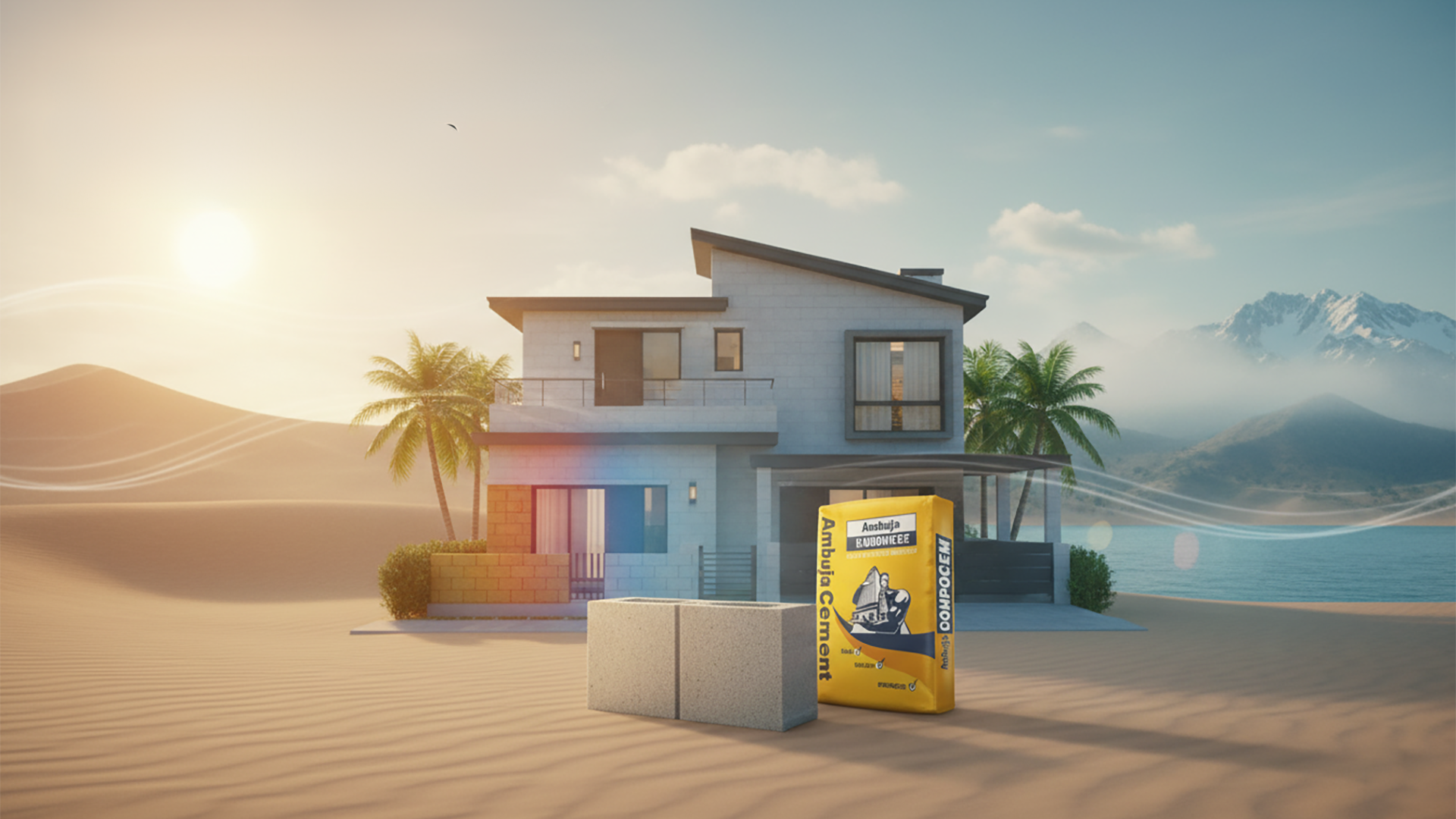
Table of Content
When you’re planning to build your new forever home or a commercial space, the first things that come to mind are usually home building cost, design, and timelines. But there’s another key factor that’s just as important: climate. The weather and environment around your location determine how your building will perform over time, from comfort and durability to maintenance costs. That’s why choosing the right building materials for your climate is essential for smart, sustainable, and long-lasting homes.
Let’s explore how climate affects material choices, and how premium construction materials like Ambuja Cool Walls are helping in climate-smart construction.
Why Climate Matters in Construction
Each part of India goes through extreme ranges of weather changes, scorching summers in Rajasthan, humid coasts in Mumbai, and chilly winters in Himachal. These differences mean that every construction project must be tailored to its surroundings.
In simple terms, climate-based material selection means choosing materials that work with the local weather, not against it. Materials expand, contract, corrode, or retain moisture differently depending on humidity, heat, and rainfall. For example:
- Metal structures near coastal regions can corrode faster due to salty air.
- Wood in humid regions can attract mould or warp without proper treatment.
- Concrete exposed to excessive heat can develop cracks due to thermal stress.
Ignoring climate factors during building can lead to leaks, cracks, reduced insulation, and early damage to your home and increased house building costs.
Building for Hot Climates
In hot and dry areas, keeping interiors cool is a constant battle. Materials that absorb less heat and allow good ventilation are key. Traditional materials like clay, stone, and autoclaved aerated concrete (AAC) blocks work well because they stabilize indoor temperatures by absorbing and releasing heat slowly.
Cement also plays a huge role here. Ambuja Cement offers innovative formulations that resist heat and prevent cracking:
- PPC Cement (Portland Pozzolana Cement) has a low heat of hydration, which reduces the risk of thermal cracks.
- OPC 43 & 53 Grade Cement provides strong and durable performance even under high temperatures, ensuring your structure remains sturdy and stable.
But what if you could go one step further, building walls that actually keep your home cooler?
Introducing Ambuja Cool Walls for Comfortable Living
Ambuja Cool Walls are changing how houses are made in India. Designed with heat-barrier technology, these concrete blocks can keep indoor spaces up to 5°C cooler than normal brick walls. In a country where air conditioning bills often spike during summer, that’s a game-changer!
Here’s why Ambuja Cool Walls are perfect for hot and humid Indian climates:
- Superior Thermal Comfort: Their advanced composition minimizes heat transfer, maintaining a consistently cooler indoor temperature.
- Anti-Efflorescent & Heat-Proof: Say goodbye to those unsightly white “salt” patches that eat away at plaster. Ambuja Cool Walls are designed to resist efflorescence and withstand high heat.
- No Curing Required: Time is money in construction, and Ambuja Cool Walls save both. With no curing needed, projects can progress faster without compromising on strength.
- High-Strength Blockol Mortar: These blocks are joined with Blockol, a pre-mix mortar that offers excellent bonding and durability while being easy to use with just water.
Together, these features make Ambuja Cool Walls a smarter, stronger, and cooler alternative to traditional brick walls, offering long-term savings, comfort, and sustainability.
Materials for Cold Climates
In colder regions, the goal is the opposite: to retain heat and prevent energy loss. Materials like wood, insulated concrete forms (ICFs), and fiberglass insulation are ideal for trapping warmth inside.
Even concrete structures can perform well in cold weather when combined with insulating layers or treated with thermal-resistant additives. The right cement mix, like Ambuja Cement OPC, known for its early strength and durability, ensures your home stands strong against freezing temperatures and thermal expansion.
Weather-Resistant Building Materials for All Conditions
Whether it’s heat, cold, humidity, or rain, every climate demands weather-resistant materials. In India, where monsoons drench one region while another faces dry heat, it’s essential to build with materials that endure.
That’s where Ambuja Cement’s advanced formulations truly shine. The brand’s cements are engineered for:
- Water repellent to protect structures from heavy rainfall and moisture.
- Corrosion resistance, especially for areas exposed to salty air or damp conditions.
- Long-term durability, reducing maintenance costs, and extending the lifespan of the building.
Ambuja Kawach, for instance, offers high fineness and low heat of hydration, preventing lime leaching and ensuring structures remain resilient against India’s diverse climate extremes.
Sustainable and Smart Choices for the Future
Climate-resilient materials make homes more durable, and they make them more sustainable. When your home naturally stays cooler or warmer depending on the season, you consume less energy for air conditioning or heating. This reduces your carbon footprint and your electricity bill, benefiting both you and the planet.
That’s why products like Ambuja Cool Walls have come up as a top choice for eco-conscious house construction. They blend technology, efficiency, and comfort to create spaces that are not just strong and long-lasting but also environmentally friendly.
Conclusion
Your home is a space that should stand strong against time and weather. Choosing materials that suit your region’s climate ensures comfort, durability, and sustainability for years to come.
From the heat-proof Ambuja Cool Walls that keep interiors cooler, to the versatile Ambuja Cement grades built for strength and protection, every Ambuja innovation is designed with India’s climate in mind.
So the next time you plan your house construction, remember: the right materials don’t just build walls, they build resilience, comfort, and peace of mind.