Building Material Checklist for New Homes: Cement, Concrete & More Simplified


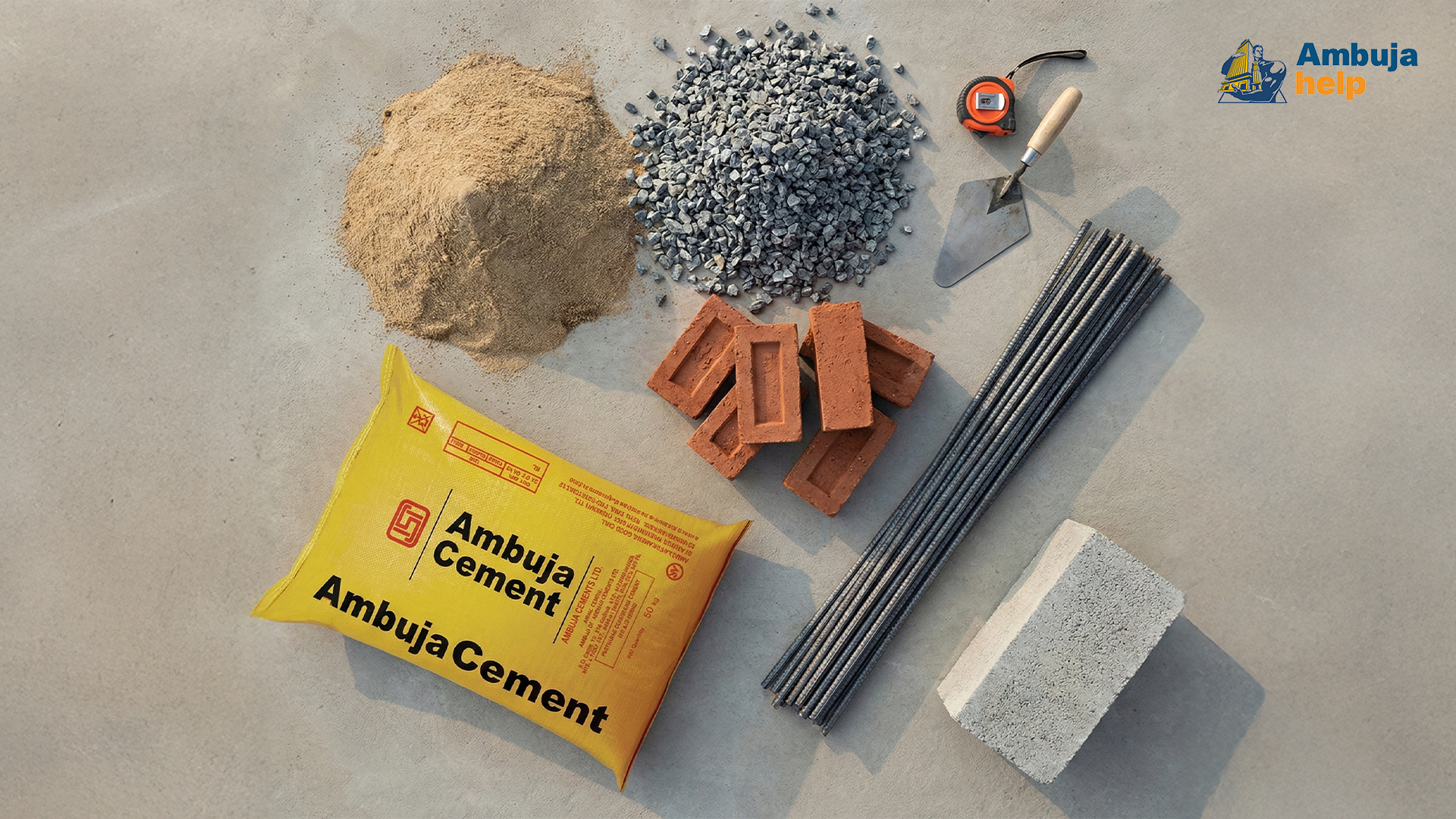
Table of Content
Beginner in contracting or have you dived into the task of overseeing your home’s construction? It’s a process filled with dreams and careful planning. Every wall, every slab, and every finish contributes to creating a space that will protect the people and their memories living in it for decades.
To start this process, it’s crucial to understand what you’re getting into and what building materials you will need throughout the entire duration of construction.
Many homeowners focus on design and interiors, but the real strength of a house comes from what lies beneath the surface. Understanding the role of each construction material can help you make smarter choices and avoid costly mistakes later.
Cement: The Foundation of Structural Strength
Cement is often referred to as the backbone of construction, and for good reason. It is the binding agent that holds concrete, mortar, and plaster together. Without cement, your home simply wouldn’t exist.
Cement is used in almost every stage of construction, including:
- Laying the foundation
- Constructing columns and beams
- Building slabs and roofs
- Plastering walls
Because of its critical role, choosing the best available cement in India is essential for ensuring safety and longevity. High-quality cement improves resistance to cracks, enhances load-bearing capacity, and protects the building from environmental damage.
Concrete: The Structural Core of Your Home
Concrete is the material that gives shape and strength to your house. It is made by mixing cement with sand, aggregates, and water. Once it hardens, it becomes extremely strong and durable.
Concrete plays a vital role in:
| Area | Why Concrete Is Used |
|---|---|
| Foundation | Supports the entire structure |
| Columns | Provides vertical strength |
| Slabs | Forms floors and ceilings |
| Beams | Distributes structural load |
One of concrete’s biggest advantages is its ability to strengthen over time. Properly mixed and cured concrete can last for generations with minimal maintenance.
Steel: Reinforcing Strength and Stability
While concrete is strong under pressure, steel provides tensile strength, helping the building resist pulling forces. Steel reinforcement bars, often called rebars, are embedded within concrete to create a strong and flexible framework.
Steel is essential for:
- Reinforced columns
- Roof frameworks
- Structural beams
The combination of steel and concrete ensures your home can withstand heavy loads, natural movement, and environmental stress.
Bricks and Stone: Building Durable Walls
Every wall in most Indian construction projects is built using bricks. They offer excellent durability, thermal insulation, and fire resistance. Brick walls help regulate indoor temperature by reducing heat transfer.
Stone is valued for both its strength and natural appearance. It is commonly used in foundations, flooring, and decorative elements. Natural stones like granite and marble add elegance while also providing durability.
Wood: Adding Warmth and Functionality
Wood has been used in home construction for centuries and remains an important material today. It is commonly used for doors, window frames, furniture, and decorative finishes.
Wood offers several advantages:
- Easy to shape and install
- Natural insulation properties
- Attractive appearance
Glass and Aluminium: Modern Materials for Comfort and Design
Modern homes often use glass extensively to improve natural lighting and create a sense of openness. Glass windows and doors allow sunlight to enter, reducing the need for artificial lighting during the day.
Aluminium is widely used alongside glass because it is lightweight, strong, and resistant to corrosion. It is ideal for window frames, sliding doors, and exterior fittings, especially in areas exposed to moisture.
Plastic and Plumbing Materials: Supporting Daily Living
Plastic plays an important but often overlooked role in construction. They are widely used in plumbing, electrical points, insulation, and fittings.
Plastic offers several benefits:
- Resistance to moisture
- Lightweight design
- Long lifespan
Finishing Materials: Completing the Home
Once the building is complete, finishing materials give your home its final look and feel. Some important finishing materials include:
| Material | Purpose |
|---|---|
| Clay tiles | Roofing and flooring |
| Gypsum | Smooth wall and ceiling finishes |
| Paint | Protection and decoration |
| Fixtures | Functional use |
Why Cement Storage and Handling Also Matter
Even the best cement can lose quality if it is not stored properly. Cement must be kept in dry storage spaces and protected from moisture. That’s why builders prefer sourcing it from reliable storage and supply points such as an Ambuja Cement godown, where proper handling ensures the material maintains its strength and performance.
The Long-Term Benefits of Choosing Quality Materials
Using good construction materials may seem expensive initially, but it provides significant long-term benefits.
| Quality Material Advantage | Long-Term Benefit |
|---|---|
| Strong cement | Reduced structural cracks |
| Good concrete | Longer building lifespan |
| Quality steel | Improved safety |
| Durable finishes | Lower maintenance costs |
Final Thoughts
Building a new home can feel overwhelming, but it becomes much simpler when you understand the purpose of each material. From the strength of cement and concrete to the beauty of wood and glass, every element contributes to creating a safe and comfortable living space.
When you focus on quality, proper planning, and trusted materials, you ensure your home stands strong for generations.
FAQ’s
1. What are essential building materials for house construction?
Essential materials include cement, concrete, steel, bricks, sand, aggregates, wood, glass, aluminium, plumbing materials, and finishing products. Among these, cement plays the most critical role. Using high-quality solutions from Ambuja Cement ensures structural strength, durability, and long-term safety for your home.
2. What is the best cement in India for home building?
The best cement for home building offers high strength, crack resistance, and long-term durability. Ambuja Cement is widely trusted for consistent quality and advanced manufacturing standards, making it a reliable choice for foundations, slabs, beams, and plastering in residential construction.
3. How to find the Ambuja Cement godown nearby?
To find a nearby Ambuja Cement godown, visit Ambuja Help’s official website and, through the “Find A Dealer” page, locate trusted Ambuja cement dealers near your location, where you will also find their details to make your search easier.
4. Why is cement considered the backbone of construction?
Cement binds concrete, mortar, and plaster, forming the structural base of any building. Choosing premium-quality cement improves load-bearing capacity, reduces cracking, and enhances moisture resistance, ensuring your home remains strong and secure for decades.
5. Why does material quality matter in long-term home durability?
High-quality materials reduce maintenance costs, prevent structural damage, and improve safety. Ambuja Cement focuses on strength, consistency, and durability, giving homeowners confidence that their construction materials will deliver reliable performance and long-lasting protection.