House Construction Cost in India: What Really Affects Your Budget


Table of Content
Building a home is a huge financial commitment that a family makes. Whether it’s your first house or a long-planned upgrade, understanding what influences the final budget can help you plan smarter and avoid unpleasant surprises. The house construction cost doesn’t depend on a single element; it is shaped by site conditions, materials, design choices, approvals, delays, and even market fluctuations.
Here is a clear, practical breakdown of the major factors that determine what you will ultimately spend while constructing your home.
1. Size of the House
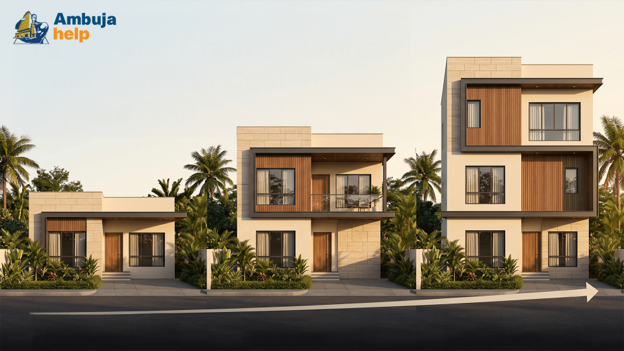
One of the factors impacting construction cost is the size of the home. A larger area naturally demands more materials and labour. For example, a 1,000 sq. ft. home will cost significantly less than a 2,000 sq. ft. home simply because the quantity of every construction component doubles or even triples.
To understand how size scales cost, see the table below:
Impact of House Size on Cost
| Built-Up Area | Material Requirement | Labour Requirement | Effect on Cost |
|---|---|---|---|
| Small (700–1200 sq. ft.) | Moderate | Moderate | Lower total cost |
| Medium (1200–2000 sq. ft.) | High | High | Significant increase |
| Large (2000+ sq. ft.) | Very high | Higher workforce needed | Steep rise in cost |
2. Physical Condition of the Construction Site
The nature of the land has a strong influence on cost. Uneven terrain, weak soil, underground utilities, nearby structures, or water bodies require additional labour and specialised treatment before construction can even begin.
Common site-related cost add-ons include:
- Soil stabilisation
- Demolition or site clearance
- Levelling and grading
- Relocation of underground pipelines or cables
These can substantially increase the construction cost, especially when the land is located in challenging terrain or sensitive areas.
3. Location of the Site
Where your plot is situated affects the construction cost more than most people realise. Urban centres typically have higher labour and material costs. In contrast, remote areas incur higher transportation and logistics charges.
How Location Influences Cost
| Site Type | Cost Factors |
|---|---|
| Metropolitan cities | Higher labour rates, premium property bylaws |
| Hilly / elevated areas | Extra labour effort, machinery, and safety costs |
| Rural / semi-urban | Transport costs for materials, limited manpower |
4. Complexity of the Home Design
A home with a simple layout and standard floor plan is much easier and more economical to construct compared to one with curved walls, intricate multi-story designs, or unusual shapes. Complex designs require specialised skilled labour, custom materials, and extra time, all adding to cost.
Even unique features like skylights, double-height living rooms, or elaborate facades can contribute to the overall expenditure.
5. Material Cost
Building materials account for almost 50–60% of the total project cost. Prices fluctuate depending on availability, demand, transportation distance, and quality. Cement, steel, bricks, tiles, timber, and electrical fittings vary in cost across regions.
Even specific product pricing, such as the Ambuja Weather Plus, influences budgeting, especially for large projects that require bulk quantities.
6. Labour Cost
Labour charges vary across states and even within districts. Skilled labour, such as plumbers, electricians, or tile masons, requires higher wages than general helpers. Shortage of manpower, peak construction seasons, or complex design demands can further increase labour expenses.
7. Client Requirements
Every homeowner has unique expectations. Some lean more toward decor elements, while others focus on minimal styles with smart home features. Choices such as premium flooring, high-end bathroom fittings, large windows, or specialised lighting systems quickly add up. Over-specifying the home may achieve a luxurious feel, but it will significantly increase the project cost.
8. Construction Method and Contractor Practices
Different contractors follow different costing methods. The contractor’s pricing includes material procurement, labour, equipment rental, site management, subcontractor charges, contingencies, and profit margin. Efficient project management reduces delays, ultimately controlling expenses.
9. Delays in Construction
Delays are one of the most common yet underestimated reasons for budget overruns. Any pause in work due to weather, labour shortage, supply issues, or design changes can increase:
- Equipment rent
- Storage expenses
- Daily labour charges
- Cost of rework and material waste
- material price fluctuations.
10. Registration and Approval Costs
Every location has its own rules for building approvals, land registration, environmental clearances, and occupancy certificates. These fees vary widely across states and must be included early in the planning stage to avoid last-minute expenses.
11. Market Fluctuations
Prices of raw materials, transportation, machinery rental, and labour often fluctuate based on demand and economic conditions. A sudden rise in cement or steel prices, for instance, or even changes in the simplest raw materials like cement, can impact the overall budget if the project is long-term.
Conclusion
Understanding the factors that drive construction costs is important for building a home without financial stress. Each element in the building process, like the design, materials, location, labour, and the pace of construction, plays a key role in determining the final budget.
A well-planned approach, realistic cost estimation, and timely decision-making can help homeowners create durable, functional, and cost-efficient homes without compromising quality. When you account for all these factors from the beginning, you set the foundation for a smooth, well-managed construction journey.