Concrete Materials 101 What Every First-Time Builder Should Know


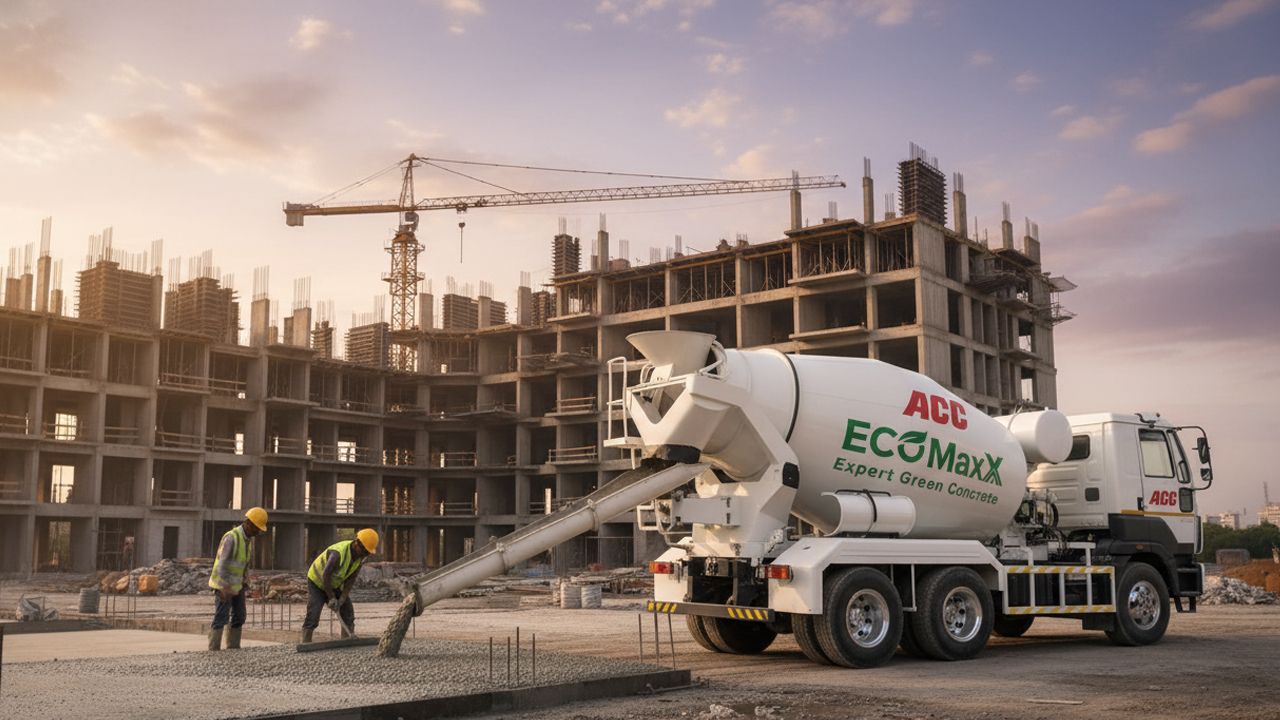
Table of Content
So, you're about to build your dream home. Exciting, right? But let’s be real, it’s also overwhelming. You’re juggling architects, budgets, floor plans... and now someone just asked you about your concrete mix.
If you're scratching your head wondering what on earth concrete materials even include, you’re not alone.
But here’s the thing: understanding the basics of concrete construction can make a world of difference in how strong, durable, and lasting your home turns out to be.
Let’s break it down together—no jargon, just straight talk about what really matters when it comes to concrete work and why your choice of materials, especially cement, is critical.
Why Concrete Matters More Than You Think
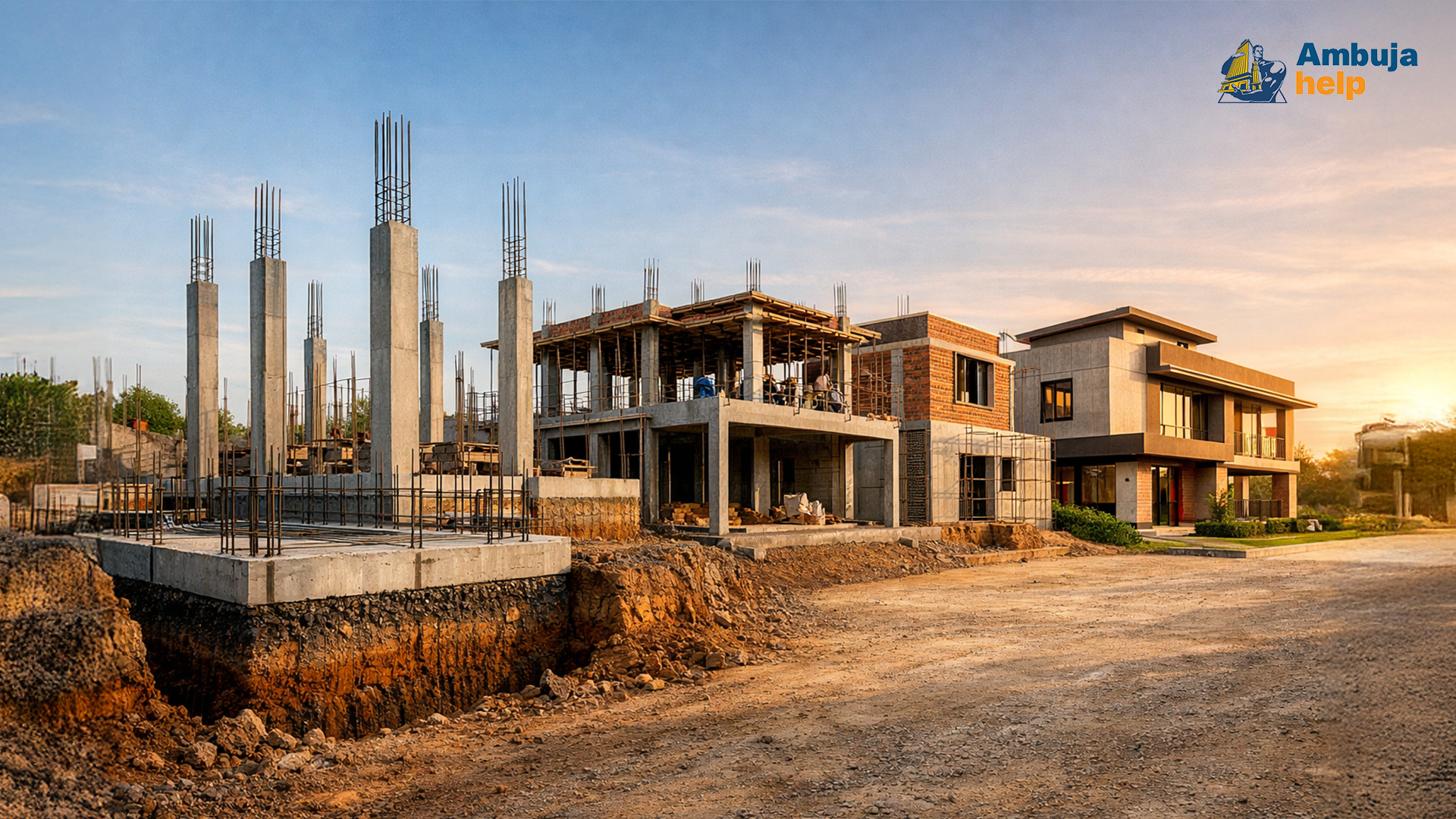
Concrete isn’t just another construction material. It’s the thing that makes your home. From the moment the first footing is laid to the walls, floors, and even your outdoor driveway, concrete structures are everywhere.
The secret to great concrete? It starts with cement. Think of cement as the glue in your mix—the binder that keeps everything together. If the cement is of poor quality, your home suffers. That’s why using a premium brand like Ambuja Cement makes all the difference.
When you’re building your home, there’s no room for shortcuts. You get one shot to get the mix right, and it all begins with choosing the right cement.
What Is Concrete, Really?
You’ve probably seen concrete being poured at construction sites, but what is it exactly?
Concrete is a mix of cement, water, and aggregates like sand, gravel, or crushed stone. When these elements come together, they harden into a strong, stone-like mass that forms the skeleton of your home.
Sounds simple, right? But the magic is in the mix. Too much water? Your concrete weakens. Not enough cement? Your structure could crack over time. Get it right, though, and you’ve got a fortress that can stand the test of time.
Types of Concrete You Should Know About
Here’s a quick guide to the kinds of concrete you might use in your home:
- Reinforced Concrete: Used in columns, slabs, and beams, anywhere you need extra strength. It has steel bars or mesh built in.
- Lightweight Concrete: Ideal when you want to reduce the load on your structure. Great for roofing panels and precast blocks.
- High-Strength Concrete: Needed for high-load areas like foundations or multi-story structures.
- Precast Concrete: Manufactured off-site, then brought to your location. Used for things like staircases, slabs, and cement blocks for walls.
Each type has its purpose, and your builder or engineer can help match the right type to the job. But now, at least, you know what they’re talking about.
Concrete for Walls? Yes, Please.
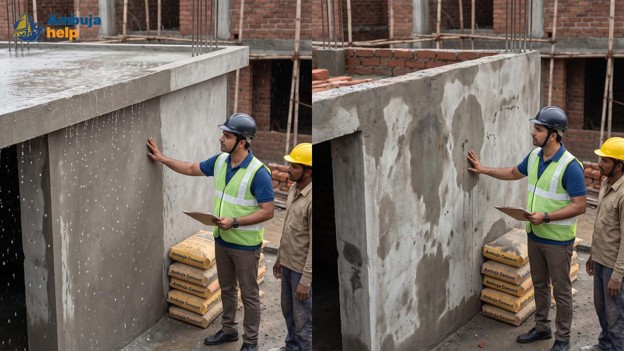
If you're picturing concrete for walls as cold or industrial, think again. Today, cement blocks for walls are not just sturdy, they’re also energy-efficient, fire-resistant, and soundproof.
Whether you're building boundary walls or interior partitions, concrete walls offer unmatched durability. Plus, they require less maintenance than traditional brickwork and last for decades. With the right finish, they can also look modern and stylish.
What Goes Into a Great Concrete Mix?
Here’s what every top-notch concrete mix includes:
- Cement
- Water
- Aggregates:sand, gravel, etc
- Optional additives like fly ash or plasticizers for improved performance
But remember—it's not just about the ingredients; it's about getting the ratios right. That’s where experienced engineers and high-quality cement come into play.
The Must-Know Properties of Concrete
Why is concrete such a construction favorite? Here are some features you’ll love:
- Strength and Durability: It supports heavy loads and stands up to weather.
- Fire Resistance: Adds an extra layer of safety.
- Low Maintenance: No need to repaint or patch it every year.
- Versatility: It can be molded, shaped, and textured however you like.
Whether you’re pouring a foundation or laying a sidewalk, quality concrete materials determine how well your home holds up over time.
Where Will You Use Concrete in Your Home?
Here’s a peek at how concrete fits into every corner of your home:
- Foundations and Footings: The bedrock of your home’s structure.
- Driveways and Patios: Durable, weather-resistant, and can be stamped for style.
- Sidewalks and Pathways: Long-lasting and low-maintenance.
- Staircases: Safe, strong, and fire-resistant.
- Fencing and Retaining Walls: Great for boundary walls and garden landscaping.
- Parking Spaces: Handles carloads with ease.
- Mid- and High-Rise Support: Essential for any multi-story structure.
In short, concrete is everywhere, so choosing the right materials isn’t just smart, it’s essential.
Let’s Wrap It Up
As a first-time home builder, you’ve got a million decisions to make. But one of the most important? Your concrete materials. Don’t leave it to chance.
Remember:
- Use concrete for walls to add strength and style.
- Prioritize quality in every concrete construction step.
- Choose trusted cement blocks for walls.
- Never compromis on the basics of concrete work.
With Ambuja Cement, you’re not just building a home—you’re building peace of mind. Because when the concrete is strong, your home stands tall for generations.