Top House Design Trends in India for 2026


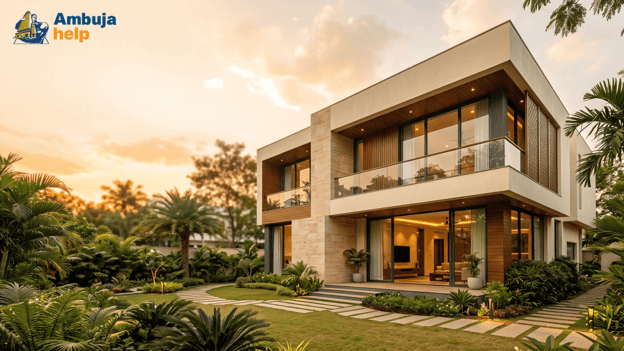
Table of Content
In 2026, Indian homes are becoming more personal, practical, and comfortable. Homeowners are moving beyond purely decorative spaces and choosing designs that support everyday routines, natural light, technology, and changing family needs.
From warm minimalism and nature-inspired interiors to multifunctional rooms and smart features, today's house design is about making every corner work better. These trends are also influencing how people approach materials, budgets and long-term home construction decisions.
1. Warm Minimalism for Comfortable Homes
Minimalism is getting warmer in 2026. Instead of stark white rooms and bare surfaces, homeowners are bringing in natural textures, softer colours and comfortable furnishings. The result is a clean space that still feels lived-in.
- Natural wood: Wooden textures add warmth without making a room feel visually heavy.
- Soft colours: Beige, cream, terracotta and earthy shades are replacing excessive use of cool greys.
- Layered lighting: Warm ambient lights can make minimalist spaces feel more welcoming.
- Simple furniture: Clean silhouettes keep rooms uncluttered while retaining comfort.
This approach works particularly well in apartments where thoughtful planning can make limited space feel more open.
2. Biophilic Design Brings Nature Indoors
The desire to stay connected with nature is influencing both interiors and architecture. Biophilic design uses plants, natural light, organic shapes, and natural materials to create a more relaxed environment.
For Indian homes, the idea can be adapted according to the local climate and maintenance requirements.
- Indoor plants: Low-maintenance varieties can add greenery without demanding constant care.
- Natural light: Larger windows, skylights, and open layouts can improve daylight inside the home.
- Natural materials: Wood, stone and textured surfaces introduce an organic feel.
- Indoor-outdoor connection: Balconies, courtyards and verandas can create a stronger connection with nature.
3. Curves and Softer Architectural Forms
Straight lines are no longer the only language of contemporary homes. Curved furniture, arched doorways, and rounded tables are becoming popular because they soften the appearance of interiors.
These elements can be introduced without redesigning an entire home.
- Arched openings: Useful for adding character to passages and living spaces.
- Curved furniture: Sofas and accent chairs can create a softer visual flow.
- Rounded surfaces: Circular tables and curved counters can break up rigid layouts.
- Organic detailing: Soft forms can make modern interiors feel more relaxed.
When incorporating curves into a house building design, structural feasibility should be considered alongside aesthetics.
4. Earthy Colours and Natural Finishes
Colour palettes are becoming more grounded in 2026. Terracotta, rust, warm sand, olive and muted brown tones are increasingly being used to create spaces that feel connected to nature.
- Terracotta accents: Work well on feature walls, furnishings, and decorative elements.
- Warm neutrals: Create a flexible base that can work with different furniture styles.
- Matte finishes: Reduce visual glare and give surfaces a softer appearance.
- Natural textures: Stone, wood, and woven fabrics add depth without excessive decoration.
These choices can also complement India's strong natural daylight, particularly when balanced with suitable artificial lighting.
5. Multifunctional Spaces for Changing Lifestyles
Homes now need to accommodate work, relaxation, entertainment, and family activities, sometimes within the same room. Multifunctional planning is therefore becoming an important part of modern house design.
- Fold-away desks: A work corner can disappear when the working day ends.
- Modular furniture: Movable seating allows rooms to serve different purposes.
- Built-in storage: Hidden storage keeps multifunctional rooms organised.
- Flexible rooms: Guest rooms can double as home offices or study spaces.
This trend is particularly useful for compact urban homes where every square foot needs to serve a purpose.
6. Statement Ceilings and Thoughtful Lighting
Ceilings are getting more attention as homeowners look beyond conventional walls and floors. False ceilings, wooden detailing, arches, and layered lighting can add character without filling the room with decorative objects.
A practical ceiling design should balance appearance with ventilation, lighting access, and maintenance. Similarly, electrical planning should happen before construction rather than being treated as a finishing-stage decision.
7. Sustainable and Durable Material Choices
Sustainability is increasingly influencing material selection. Homeowners are considering durability, maintenance, and sourcing alongside appearance.
- Natural materials: Stone, bamboo, and responsibly sourced wood can bring texture into interiors.
- Durable surfaces: Long-lasting materials can reduce the need for frequent replacement.
- Efficient lighting: LED systems can support lower energy consumption.
- Climate-conscious design: Shading, ventilation, and daylight can improve everyday comfort.
The structural materials deserve the same attention. Ambuja Cement is a premium source of quality cement raw materials, offering OPC and PPC variants for different construction requirements. Choosing suitable, consistent-quality materials at the structural stage can support the long-term performance of the home.
8. Handcrafted Details and Curated Maximalism
While minimalism remains popular, homeowners are adding personality through selected statement pieces. Instead of filling every surface with décor, the focus is shifting towards fewer, more meaningful elements.
- Handcrafted furniture: Adds individuality and visible craftsmanship.
- Art pieces: A painting or sculpture can become a focal point.
- Statement lighting: Sculptural fixtures can add visual interest.
- Textured décor: Rugs, fabrics, and wall treatments create depth.
The idea is simple: keep the overall space balanced while allowing a few elements to express personal taste.
9. Smart Technology That Stays Out of Sight
Smart homes are becoming less about visible gadgets and more about seamless convenience. Automated blinds, concealed charging points, smart lighting, and integrated security can be planned within the design.
Plan the Look Alongside the Budget
A beautiful design needs a realistic construction plan behind it. Before finalising materials, finishes, and architectural features, homeowners should understand how each choice affects the overall budget. A home cost calculator can help create an initial estimate, but actual costs depend on location, site conditions, structural requirements, labour and material specifications.
| Design decision | Budget factor to consider |
|---|---|
| Complex architecture | Additional structural and labour requirements |
| Premium finishes | Higher material and installation costs |
| Smart systems | Equipment, wiring and installation |
| Natural materials | Material and maintenance costs |
| Large openings | Structural and glazing requirements |
Using a home cost calculator early can help homeowners compare priorities before committing to expensive changes.
Conclusion
The biggest house design trends for 2026 are not simply about making homes look fashionable. They reflect a broader shift towards comfort, flexibility, natural materials, sustainability, and technology that works quietly in the background.
Whether you are building an apartment or an independent home, thoughtful planning can help balance aesthetics with practicality. With suitable materials, realistic budgeting, and adaptable spaces, today's design choices can remain useful well beyond 2026.
Frequently Asked Questions
Q1. What are the key house design trends in India for 2026?
Popular house design directions for 2026 include warm minimalism, natural materials, biophilic elements, curved forms, earthy colours, multifunctional spaces, statement ceilings, handcrafted details, and practical smart-home features.
Q2. How can I incorporate 2026 design trends without overspending?
Focus on changes that make a visible difference without altering the entire structure. Use earthy colours, natural textures, flexible furniture, indoor plants, or statement ceilings while keeping the basic layout practical and within budget.
Q3. Why are multifunctional spaces becoming important in modern homes?
Multifunctional spaces help homeowners make better use of available floor area. A study can double as a work zone, while flexible living areas can accommodate different activities without requiring additional rooms or major structural changes.
Q4. How can house building design balance style and functionality?
Good house building design considers both appearance and everyday use. Plan natural light, ventilation, storage, movement, and maintenance alongside visual elements so that design choices remain practical throughout the home's lifespan.
Q5. How can homeowners estimate the cost of new design features?
List each proposed feature separately and check its material, labour, and installation requirements. A home cost calculator can provide an initial estimate, but detailed quotations from contractors are better for understanding actual project-specific expenses.