Cement Dealership vs Building Material Dealership: Key Differences


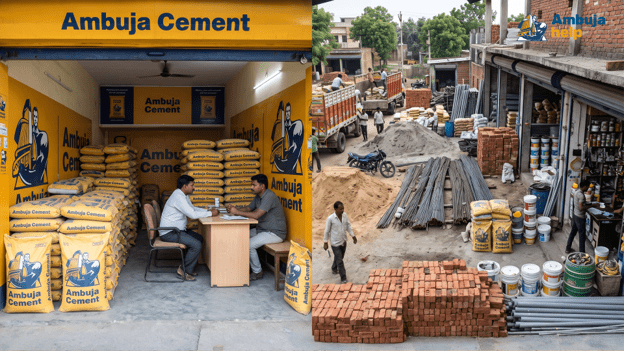
Table of Content
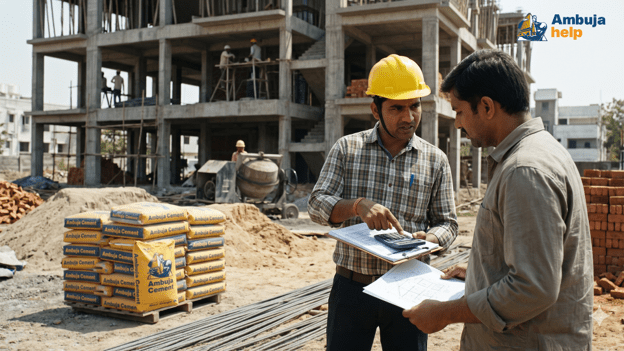
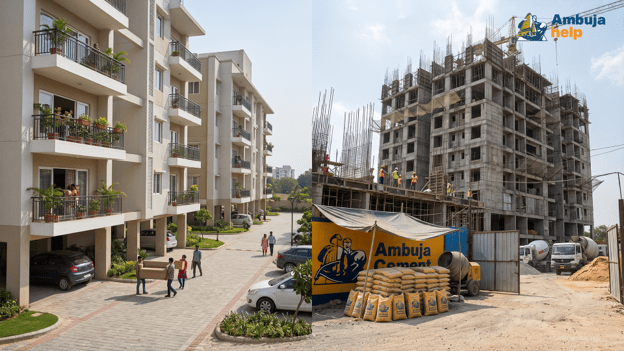
Choosing the right supplier is important for any construction process. Whether you are building a new home, renovating a property, or managing a larger project, the materials you buy can affect construction quality, costs, and timelines.
But should you purchase cement from a specialised dealer or buy it from a shop that sells several building materials? Understanding the difference can help you make a practical choice, avoid unnecessary delays, and ensure that the materials you use meet your project's requirements.
What Is a Cement Dealership?
A cement dealership focuses primarily on selling cement from a particular manufacturer or a selection of cement brands. Depending on the business arrangement, an authorised dealer also receives supplies through the manufacturer's approved distribution network.
For homeowners and contractors, buying from an authorised source can make it easier to check product authenticity, manufacturing details, and purchase records.
Here are some benefits to consider:
- Product authenticity: Buying from an authorised seller helps reduce the risk of counterfeit products.
- Stock information: Dealers can help customers check product availability and manufacturing dates.
- Brand knowledge: Staff may be familiar with different cement grades and their recommended applications.
- Purchase documentation: Bills and invoices provide a record of the materials purchased.
For example, Ambuja Cement offers Ordinary Portland Cement (OPC) and Portland Pozzolana Cement (PPC) for different construction requirements. OPC and PPC have different properties, so the appropriate option should be selected according to the application and professional recommendations.
What Is a Building Material Dealership?
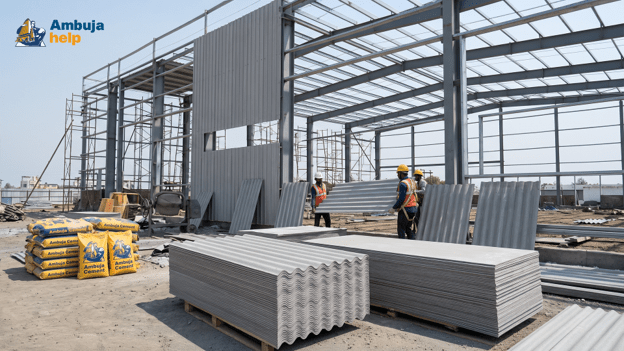
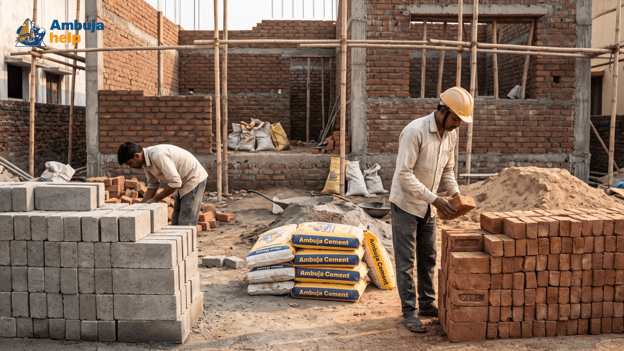
A building material dealer supplies a wider range of products required for construction. Depending on the business, this may include cement, bricks, sand, aggregates, steel, plumbing supplies, and other building essentials.
These dealers come into the process when the project needs several materials from one place. So, instead of contacting multiple sellers, homeowners or contractors may be able to arrange several purchases through a single supplier.
Common advantages include:
- Convenience: Multiple construction materials may be available under one roof.
- Simpler coordination: Ordering different materials from one supplier can make purchasing easier.
- Bulk purchasing: Some dealers can arrange larger quantities for ongoing projects.
- Local availability: Nearby suppliers may help reduce delivery time, depending on stock and transport arrangements.
However, the range of products can greatly differ between businesses. A dealer selling many materials may not offer the same level of product-specific guidance as a specialised cement seller.
Cement Dealership vs Building Material Dealership: Key Differences
Both types of suppliers can support construction projects, but their focus and services may differ.
| Factor | Cement dealership | Building material dealership |
|---|---|---|
| Main focus | Cement products | Multiple construction materials |
| Product range | Often centred on cement brands | May include cement, sand, steel, bricks, and aggregates |
| Product knowledge | May offer more focused cement guidance | Knowledge varies across product categories |
| Purchasing convenience | Suitable for cement-specific orders | Useful for sourcing several materials together |
| Stock availability | Depends on the brands and quantities stocked | Depends on the range of materials available |
| Ideal use | Cement purchases for specific construction stages | Coordinating different material requirements |
Neither option is automatically better for every project. The right choice depends on the quantity needed, the materials required, delivery arrangements, and the supplier's reliability.
What Should You Check Before Choosing a Supplier?
Regardless of the type of supplier, a few checks can help protect your construction budget and the quality of your materials.
1. Check Product Quality and Authenticity
Cement must be genuine and stored correctly to maintain its intended performance. Buy from a reliable cement distributor or authorised seller, and check the bag for damage, moisture exposure, and manufacturing details. Avoid bags that are damp, badly torn, or contain hardened lumps. Keep the purchase invoice for your records.
2. Compare Prices and Delivery Terms
The lowest quoted price may not always be the most economical option. Ask about delivery charges, unloading costs, minimum order quantities, and payment terms. A reliable construction material supplier should explain these costs clearly so that you can estimate the overall purchase expense rather than comparing only the price per bag.
3. Confirm Stock Before Ordering
Construction schedules often depend on materials arriving at the right time. Check whether the required quantity is available and confirm the expected delivery date. For larger projects, discuss how future supplies will be arranged. This can help reduce interruptions during activities such as foundation work, slab casting, and plastering.
4. Ask for Application-Specific Guidance
Different construction activities may require different cement properties. OPC is commonly selected for applications requiring suitable early strength, while PPC is often valued for its workability and finish in suitable applications.
The final choice should follow the structural design, applicable standards, and advice from the project's engineer. A supplier can help explain product options, but should not replace professional technical guidance.
How Ambuja Cement Fits into Your Material Selection
Selecting quality cement is an important step towards reliable construction. Ambuja Cement offers OPC and PPC options for different building needs, helping homeowners and construction professionals choose products suited to their applications.
However, good results depend on more than the brand alone. Cement must be stored properly, mixed in the correct proportions, and used with suitable aggregates and construction methods. Proper curing and skilled workmanship also influence the final strength and durability of concrete and mortar.
When purchasing Ambuja Cement, use reliable supply channels, check packaging and manufacturing details, and retain the invoice. These simple steps help make the buying process more transparent and organised.
Which Supplier Should You Choose?
A specialised cement seller may be the more convenient option when your main requirement is cement. Meanwhile, a building material dealer may be better when you need to coordinate several materials for the same project.
So before deciding, compare product authenticity, availability, delivery arrangements, pricing, and documentation. Ask questions rather than choosing a supplier based only on proximity or the lowest quote.
Ultimately, a successful construction project depends on informed material selection, dependable suppliers, and proper building practices. Choosing a suitable supplier for Ambuja Cement and other construction essentials can help keep your project organised while supporting the quality and durability your home needs.
Frequently Asked Questions
Q1. What is the difference between a cement dealership and a building material dealership?
A cement dealership focuses mainly on selling cement, while a building material dealership may offer products such as steel, bricks, sand, aggregates, and other construction supplies alongside cement.
Q2. Is a cement dealership suitable for someone entering the construction supply business?
A cement dealership may suit entrepreneurs who understand local construction demand and can manage storage, deliveries, and customer relationships. Researching the market and understanding the brand's dealership requirements are important first steps.
Q3. What should someone consider before applying for an Ambuja Cement dealership?
Interested applicants should review the company's official dealership process, local market demand, investment requirements, storage facilities, and distribution arrangements. They should confirm current terms directly with Ambuja Cement before making business commitments.
Q4. Can a building material dealer also sell Ambuja Cement?
A building material dealer may be able to sell cement alongside other construction products, subject to the relevant business arrangements and brand requirements. Interested dealers should confirm the applicable terms with Ambuja Cement.
Q5. Which factors influence the success of a cement dealership?
Local demand, reliable stock management, timely deliveries, working capital, and customer service can influence dealership performance. Understanding construction activity in the target area also helps dealers plan inventory and build lasting business relationships.