What Are AAC Blocks? Benefits, Uses & Features Explained


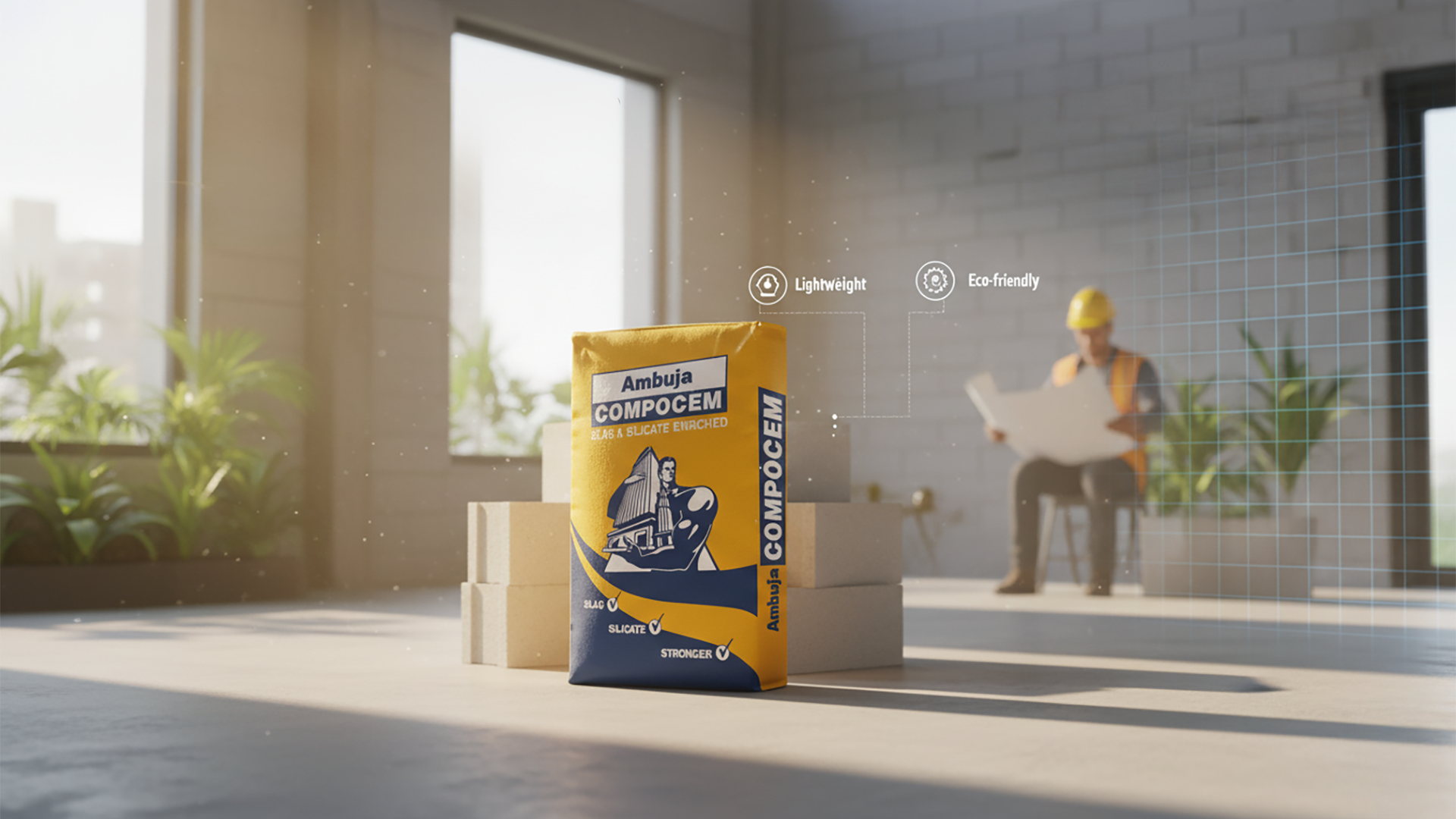
Table of Content
With a constantly changing scene of construction, the new trend involves having sustainability and innovation go hand in hand. Builders today are constantly searching for materials that balance strength, efficiency, and eco-friendliness. One such construction material is the AAC block, or Autoclaved Aerated Concrete block, an established alternative to traditional red bricks.
Let’s dive into what makes this material special, how it’s made, and why it’s becoming an important part of the construction industry.
What Are AAC Blocks?
The AAC block was first developed in the 1920s by Swedish architect Dr Johan Axel Eriksson. He wanted to create a building material as flexible as wood but without its drawbacks.
These blocks are made from a mixture of cement, fine aggregates (like sand or fly ash), water, and an expansion agent. During production, the mixture undergoes a fascinating transformation: it rises and expands, much like bread dough during proofing, creating millions of tiny air pockets. When the material hardens, about 80% of its volume is air, giving AAC its lightness and insulation power.
Once moulded and cured under high pressure in an autoclave, these blocks become strong, durable, and incredibly lightweight. Thanks to these properties, AAC has become one of the most sought-after cement supplies in eco-friendly construction.
Features of AAC Blocks
The science behind these blocks gives them a unique edge over traditional building materials. Here’s why they’re so popular:
1. Lightweight and Durable
It has a dry density of about 550–650 kg/m³, meaning they’re very light in weight, which makes them easier to work with. But despite their weight, they maintain an impressive compressive strength of around 3–4.5 N/mm², making them both sturdy and easy to handle.
This lightness also reduces the overall dead load on buildings, saving on steel and concrete in the foundation, a win-win for both builders and the environment.
2. Excellent Thermal and Acoustic Insulation
They make sure that homes stay cooler in summer and warmer in winter without heavy reliance on air-conditioning or heating. That’s what AAC offers. Their porous composition makes them natural insulators, helping reduce energy consumption by nearly 30%.
Additionally, their soundproofing qualities make them ideal for both residential and commercial spaces in noisy urban environments.
3. Fire Resistant
One of the standout qualities is its ability to withstand extreme heat. Being non-combustible, It can tolerate temperatures for up to six hours or more without releasing toxic fumes, making them a safer choice for homes, offices, and high-rise buildings.
4. Environmentally Friendly
Many AAC products are made using recycled materials such as fly ash, a by-product of thermal power plants, reducing industrial waste. Because they are lightweight, they require less energy for transportation and construction. They also minimise material wastage at the site.
When paired with high-quality cement bags like Ambuja’s range of eco-efficient cements, the result is a long-lasting, sustainable structure with a lower carbon footprint.
5. Easy to Work With
Builders love these blocks because they’re incredibly flexible. They can be easily cut, drilled, nailed, or shaped using simple tools, perfect for creating chases for electrical or plumbing installations. This makes them a favourite among architects who value design freedom and efficiency.
Types of AAC Blocks
AAC blocks come in a range of variations depending on the project’s needs. Some common types include:
- 100 mm AAC blocks – Best for partition walls and internal structures.
- 200 mm AAC blocks – Ideal for load-bearing or exterior walls.
- Fire-resistant AAC blocks – Engineered for buildings requiring enhanced fire protection.
- Rectangular fly ash AAC blocks – Lightweight and sustainable, suitable for multi-story buildings.
Advantages of Using AAC Blocks
Switching to AAC block construction offers a wide range of practical and long-term benefits:
- Durability – Resistant to water, mould, mildew, insects, and rot.
- Reduced Construction Time – Larger block size and easy handling reduce masonry time.
- Lower Maintenance Costs – Structures remain stronger and require less upkeep.
- Energy Efficiency – Lower energy bills due to natural insulation properties.
- Eco-friendly Building – Uses fewer raw materials and supports sustainable design goals.
Disadvantages of AAC Blocks (and How to Tackle Them)
While AAC blocks are exceptional, they do come with a few challenges:
- Limited Availability: Not every local market carries AAC blocks yet, but their lightweight nature makes them easy to transport from manufacturing hubs.
- Reinforcement Needs: For heavy load-bearing structures, additional reinforcement is sometimes required.
- Porous Surface: AAC’s porous nature means it shouldn’t be left exposed — applying plaster or a protective coating helps preserve its longevity.
When combined with reliable cement supplies and expert construction practices, these limitations are easily overcome.
Uses of AAC Blocks
AAC blocks are suitable for both interior and exterior applications. Their versatility makes them perfect for:
- Residential and commercial walls
- Partition and infill walls
- Flooring and roofing systems
- Multi-storey buildings
- Kitchen surfaces and false ceilings
The Future of AAC Block Technology
With growing awareness of sustainability and energy efficiency, builders are rapidly adapting to AAC blocks in urban construction. Along with the rising demand for eco-conscious cement supplies, it's paving the way for greener cities and smarter infrastructure.
Final Thoughts
Autoclaved Aerated Concrete is a revolution in sustainable architecture. By combining durability, energy efficiency, and design flexibility, AAC bricks help create homes and buildings that stand the test of time.
When paired with premium-quality cement bags from top brands like Ambuja, builders can ensure unmatched strength, stability, and sustainability, redefining how the world builds, one block at a time.