Vastu House Planning Basics That Keep The Design and Harmony Flowing Together


Table of Content
Designing a home doesn’t end with just choosing where the walls and windows go. For any Indian house, it’s about creating a space that reflects their taste, feels calm, balanced, and supportive of everyday life. This is where Vastu Shastra plays an important role. Rather than being a rigid rulebook, it’s a practical guide that helps align your home with natural energy and elements without compromising on modern design.
Let’s explore the basics of Vastu house planning and how thoughtful design, combined with quality construction materials, can keep harmony and functionality flowing together.
Understanding Vastu Shastra in Simple Terms
Vastu Shastra is an ancient Indian system of architecture that focuses on balancing the five elements: Earth, Water, Fire, Air, and Space. The idea is simple: when these elements are in harmony, your home feels more peaceful, comfortable, and positive.
It doesn’t demand upside-down changes. Instead, Vastu encourages careful planning for the right room position, good ventilation, natural light, and uncluttered spaces, all of which align well with modern house design practices.
Starting Right: Plot Shape and Orientation
Aligning the house starts from the ground up, that is, from the plot where it will be built:
| Aspect | Vastu Preference | Why It Matters |
|---|---|---|
| Plot Shape | Square or rectangular | Ensures balance and stability |
| Facing Direction | North or East | Associated with prosperity and positivity |
| Land Slope | South to North / West to East | Encourages smooth energy flow |
The Main Entrance: Welcoming Energy In
The main door is where energy flows into the house. Making the entrance vastu compliant includes:
- Best directions: North, East, or Northeast
- The door should open inward and clockwise
- Keep the entrance well-lit and clutter-free
- Avoid mirrors directly facing the main door
Room-by-Room Vastu Planning Basics
Thoughtful room placement makes daily living smoother and more intuitive.
Living Room
Should be best positioned towards the North or Northeast; the living room is where the energy from the people thrives. Keep the centre open, use light colours, and allow plenty of natural light to create a welcoming atmosphere.
Kitchen
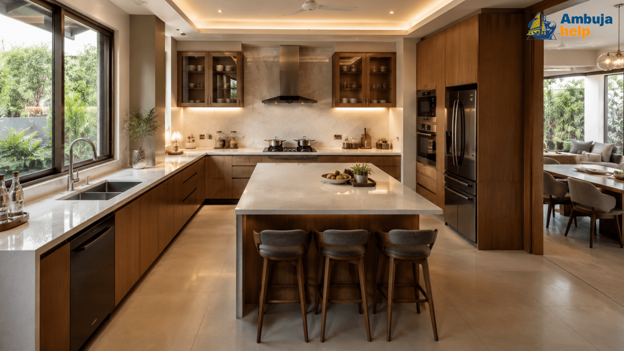
The Southeast corner is traditionally known to house the fire element, making it the best for the kitchens. Cooking while facing East is believed to support good health. Ensure proper ventilation and avoid placing the stove and sink too close together to maintain hygiene and energy balance.
Master Bedroom
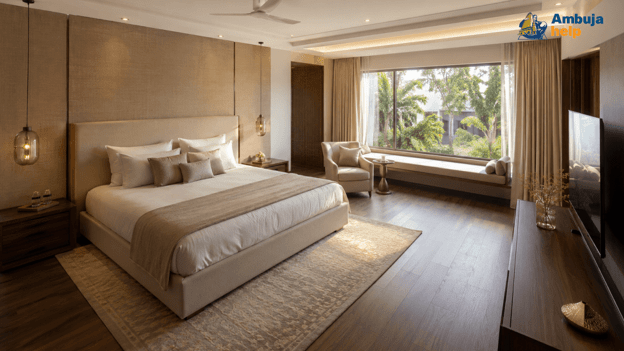
The Southwest zone offers stability and rest, making it suitable for the master bedroom. Place the bed with the headboard facing South or West, and avoid mirrors reflecting the bed.
Kids’ and Guest Rooms
- Kids’ rooms work well in the West or the Northeast
- Guest rooms are ideal in the Northwest, supporting comfort without wasting energy
Bathrooms and Pooja Room
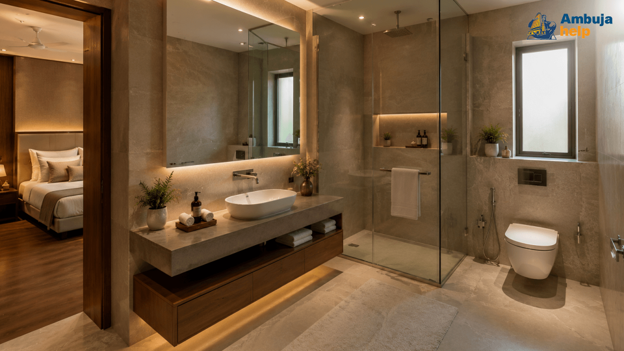
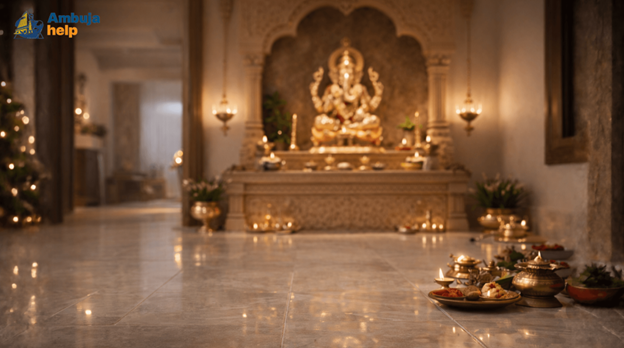
Bathrooms are best placed in the West or Northwest, while the Pooja room is most auspicious in the Northeast or East.
Other Spaces That Matter More Than You Think
| Area | Ideal Placement | Vastu Benefit |
|---|---|---|
| Dining Area | West, Southeast, or Northeast | Encourages abundance |
| Staircase | Clockwise, North to South | Smooth energy movement |
| Home Office | West or Northwest | Focus and productivity |
Vastu Do’s and Don’ts at a Glance
Do’s
- Keep rooms airy and well-lit
- Use soft, calming colours
- Maintain cleanliness and order
Don’ts
- Avoid clutter, especially near entrances
- Don’t place bathrooms in the Northeast
- Avoid heavy furniture in the centre of rooms
These practical habits improve both energy flow and everyday comfort.
Where Construction Quality Meets Vastu Planning
Even the most well-planned layout needs strong execution. Vastu focuses on harmony, but durability and safety come from material quality. Using reliable construction materials ensures that your home doesn’t just feel good, it lasts long and stays strong for ages.
This is where choosing dependable suppliers matters. Whether you’re working with a local cement dealership or a large contractor, consistency in material quality helps maintain timelines and reduces future maintenance concerns.
A Balanced Home Is a Thoughtful Home
Vastu house planning doesn’t mean sacrificing style or comfort. It’s about making a conscious choice that optimises a place for turning it from a house to a sanctuary for your loved ones for ages. Small adjustments, like thoughtful placement of furniture and decor and improved ventilation, can significantly change how your home feels.
When design harmony is supported by sound construction practices and quality materials, the result is a home that’s peaceful, functional, and built to last. Whether you’re planning from scratch or fine-tuning an existing space, blending Vastu basics with smart construction choices helps create a home that truly supports everyday life.
FAQ’s
1. What are the best house planning tips for new homeowners?
Start with a clear budget and practical layout. Choose a regular-shaped plot, prioritise ventilation and natural light, and plan room placements thoughtfully. Keep future needs in mind, ensure structural quality, and follow basic Vastu principles from Vastu Shastra for balanced, functional living spaces.
2. What are the important house Vastu tips for happiness?
Place the main entrance in the North or East, keep the Northeast clutter-free, and position the kitchen in the Southeast. Ensure bedrooms are in the Southwest for stability. Maintain good light, airflow, and cleanliness. Balanced placement of rooms supports positive energy, harmony, and emotional well-being.
3. Which direction is best for the main entrance as per Vastu?
According to Vastu principles, North, East, or Northeast-facing entrances are considered auspicious. These directions are associated with prosperity and positive energy flow. The door should open inward, be well-lit, and remain clutter-free to allow smooth movement of energy into the home.
4. Where should the kitchen be placed in a Vastu-compliant house?
The Southeast corner is ideal for the kitchen, as it represents the fire element. Cooking while facing East is believed to promote health and positivity. Ensure proper ventilation and avoid placing the stove and sink too close to maintain energetic and functional balance.
5. What is the ideal location for the master bedroom as per Vastu?
The Southwest zone is the best spot for the master bedroom because it symbolises stability and strength. Position the bed with the headboard facing South or West. Avoid mirrors reflecting the bed and keep the space calm, clutter-free, and softly lit for restful sleep.