Types of Cement Used in Modern Indian Construction Explained


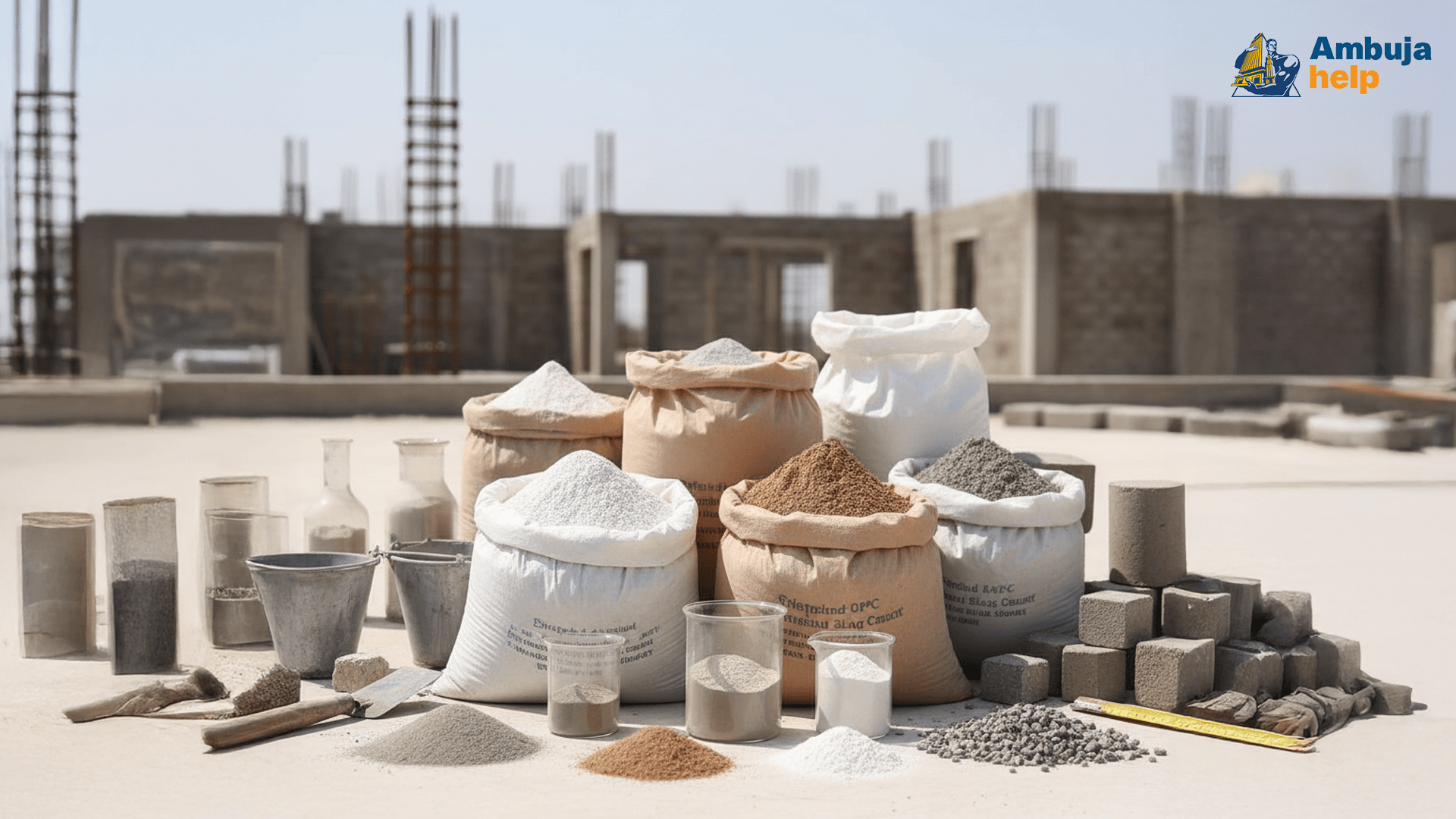
Table of Content
Cement is the most basic of the raw materials required in any construction process, and since it’s a material that decides the strength of the space, it’s important to know the types of cement available in the market to make the call that suits your needs.
You only get one chance to make the right decision, so here we are to walk you through the different types of cement used in modern construction in this blog and understand what suits which type of cement.
Why Choosing the Right Cement Matters
Cement binds sand, gravel, and water together to form concrete. A poor choice in either type or grade can result in issues such as early cracking, reduced strength, and increased maintenance costs. In contrast, the right cement ensures durability, stability, and minimal upkeep for decades.
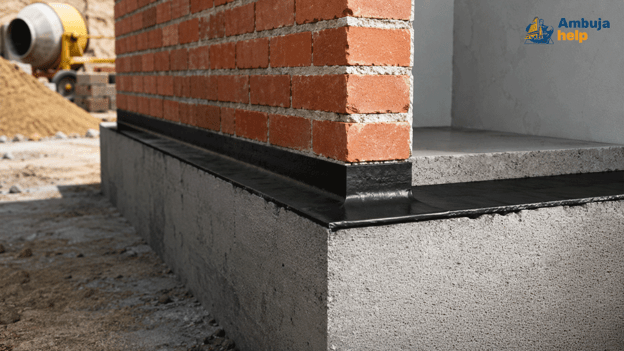
The decision affects every stage of construction, like the base and cement blocks used in walls, to cement flooring. Understanding how different types work helps make an informed, cost-effective, and durable choice for your project.
Common Types of Cement and Their Applications
India’s construction sector uses a wide range of cements, each suited to specific conditions and structural needs. Here’s a look at the most widely used options:
1. Ordinary Portland Cement (OPC)
This is the most common cement used in general construction. Available in grades 33, 43, and 53, OPC offers high compressive strength and is used for buildings, bridges, pavements, and precast concrete blocks. The 53-grade is preferred for large projects that need strength and faster setting.
2. Portland Pozzolana Cement (PPC)
PPC is made by blending OPC with pozzolanic materials like fly ash or silica fume. It is known for its workability, resistance to chemicals, and long-term durability. PPC is an excellent choice for residential projects and large structures such as dams and bridges.
3. Rapid Hardening Cement
Used where quick strength gain is necessary, this cement type achieves high early strength and is suitable for road repairs, precast products, and time-sensitive construction.It enables faster completion without compromising quality.
4. Extra Rapid Hardening Cement
Similar to rapid-hardening cement but faster-performing, this type is used for emergency repairs or construction in cold weather. It is ideal for projects such as airport runways or industrial flooring where time constraints are critical.
5. Quick Setting Cement
This cement sets within minutes and is best for underwater constructions, leak repairs, and tunnels.It ensures timely application in conditions where water exposure or limited working time is a challenge.
6. Low Heat Cement
This type is designed to release less heat during hydration, making it ideal for massive concrete structures like dams and power plants where heat-induced cracking is a concern.
7. Sulphate Resisting Cement (SRC)
SRC is used in regions with high sulphate content in soil or groundwater, such as coastal and industrial zones. It helps protect structures like foundations, retaining walls, and sewage systems from chemical damage.
8. Blast Furnace Slag Cement
Produced by mixing Portland cement clinker with granulated blast furnace slag, this cement has a lower heat of hydration and excellent resistance to chemical attack. It is frequently used in mass concrete projects like bridges and high-rise buildings.
9. High Alumina Cement
This type is highly resistant to heat and chemicals. It is typically used in industrial environments such as kilns, furnaces, and plants where exposure to high temperatures is common.
10. White Cement
White cement is primarily aesthetic in purpose. It is used for decorative finishes, architectural designs, and creating smooth, bright surfaces in interiors and exteriors.
11. Coloured Cement
Mixed with pigments, coloured cement gives instant brightness to pavements, floors, and concrete furniture. It is a preferred material for modern designs that combine durability with visuals.
12. Air Entraining Cement
Containing air-entraining agents, this cement forms microscopic air bubbles in concrete, enhancing frost resistance. It is widely used in cold regions and for structures like bridges and pavements.
13. Expansive Cement
This cement expands slightly after setting, making it ideal for grouting, precast concrete units, and areas where shrinkage could lead to cracking.
14. Hydrographic Cement
Specially formulated to set underwater, this cement is used for marine structures, dams, bridges, and swimming pools. It remains stable even when continuously exposed to water.
15. Portland Limestone Cement (PLC)
PLC is a sustainable option containing 5–15% limestone. It performs similarly to OPC but with reduced carbon emissions, making it a preferred choice for eco-friendly construction.
Choosing the Right Grade of Cement
Cement grades are determined by their compressive strength after 28 days, measured in N/mm².
33 Grade Cement: Suitable for small-scale and non-structural work like plastering.
43 Grade Cement: The standard choice for most home-building applications, offering an ideal balance of cost and strength.
53 Grade Cement: Preferred for heavy-duty structures, such as high-rise buildings and bridges, where superior strength is essential.
Selecting the appropriate grade depends on your project’s scale, load-bearing requirements, and design life. For example, higher-grade cement may be used for the cement blocks forming the foundation, while lower-grade variants can suffice for finishing layers or cement flooring in less load-intensive areas.
Final Thoughts
In modern Indian construction, understanding the varieties of cement available is a strategic decision that influences the safety, durability, and sustainability of your structure. Each type offers unique advantages suited to specific climates, soil conditions, and design goals.
Before making a purchase, assess your project’s requirements, match the cement’s properties to its purpose, and follow proper mixing and curing practices. When chosen wisely, the right cement ensures that your home or building not only stands firm but continues to provide comfort, safety, and strength for generations to come.