Top 10 Important house Vastu tips for happiness, and peace


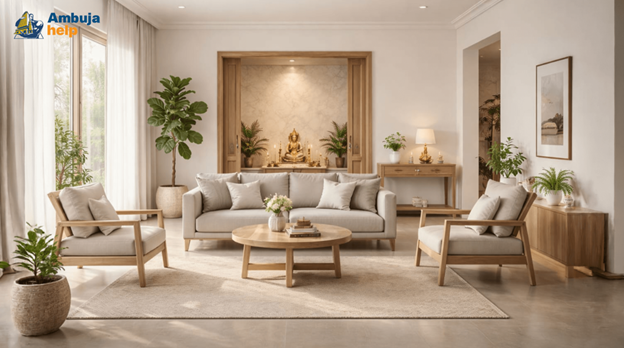
Table of Content
Vastu has been an integral part of house design planning for Indian families to date, and for good reason. It’s an ancient Indian method of home planning that stresses creating a living space that works with nature rather than against it.
The idea is simple: when the home is aligned with the five natural elements: earth, water, fire, air, and space to their respective direction, it creates a home where positive energy flows freely. So, if you're drawing up fresh home plans or looking to improve the energy of a space you already live in, these ten house Vastu tips are practical, actionable, and easy to understand.
-
Get Your Main Entrance Right
In Vastu Shastra, the main entrance is where energy first enters your home. It sets the tone for everything inside.
Direction Effect North-facing Invites prosperity and wealth East-facing Brings health and positive energy South-West facing Avoid it as it creates an imbalance
Practical tips:
- The door should open inside, welcoming energy into the home
- Keep the entrance well-lit and clutter-free at all times
- Avoid placing dustbins or shoes directly at the entrance
- Auspicious symbols like Om near the door are considered beneficial
-
Position Your Living Room in the Right Zone
The living room is where family and friends gather, so its energy matters. Vastu recommends placing it in the north, east, or north-east direction of the home, where it can easily get light and positive energy.
Keep seating arranged so family members face north or east. Use light, bright colours like whites, and pastel shades of yellow, greens and creams and avoid heavy dark tones that can make the space feel closed.
-
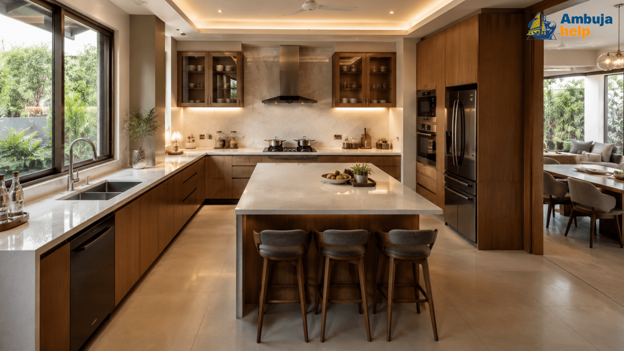
Place Your Kitchen in the South-East
The kitchen is the place for the element of fire, and Vastu places fire in the south-east. Cooking here is said to align the activity with its natural elemental force.
- Face east while cooking for the most auspicious orientation
- Keep the cooking stove in the south-east corner of the kitchen
- Position the sink in the north-east (water element)
- Choose warm colours such as red, orange, yellow and avoid black or blue tones
- Avoid placing the kitchen in the north-east, which should remain light and open
-
Orient the Master Bedroom to the South-West
The south-west direction is the home of the earth element, which signifies grounding, stability, and restfulness. It's the ideal location for the master bedroom, promoting stability and longevity.
Sleeping direction matters too:
- Head pointing south or east while sleeping aligns with Earth's magnetic field and promotes deeper rest
- Never sleep with your head pointing north — it can cause restlessness over time
- Keep the bed away from directly facing the door
- Remove mirrors that face the bed, and minimise electronic devices near the sleeping area
-
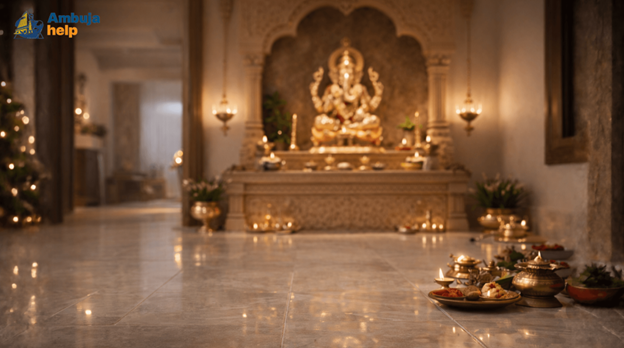
Keep the Pooja Room in the North-East
Another key house vastu tip would be to place the pooja room towards the north-east corner of the house. As per Vastu, this direction is the most spiritually charged zone, which makes it the ideal location for a pooja room or meditation space.
Keep it well-lit, ventilated, and clutter-free. Use light colours such as white, cream, or light yellow. Deities should face east or west, never north or south.
-
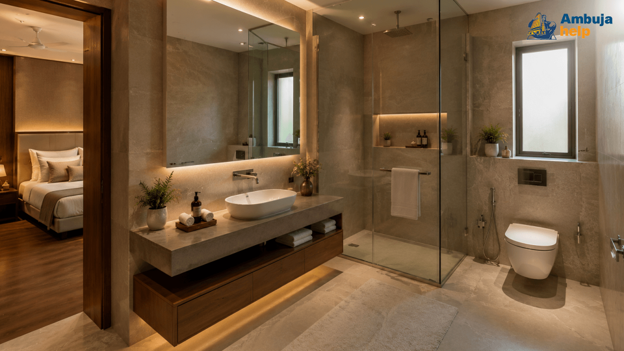
Plan Bathrooms and Toilets Carefully
Bathrooms are necessary but also disrupt the house’s energy; that’s why they need careful placement in home plans to avoid disrupting the energy of the entire house.
Location Suitability North-West Most suitable West or South Acceptable North-East Strictly avoid South-West Avoid Centre of the home Strictly avoid
Keep bathroom doors closed when not in use, ensure good ventilation, and repair leaking taps immediately. In Vastu, a dripping tap means prosperity draining away, and practically speaking, it's just good sense.
-
Choose Colours Thoughtfully for Each Direction
Some house Vastu tips also guide about the colours for each direction based on their elements.
Direction Recommended Colours Avoid North Light green, light blue Red, yellow East White, light blue, light green Dark tones South Red, orange, pink Blue West White, cream, light yellow Dark colours North-East Light yellow, white, light blue Heavy, dark tones South-West Earthy tones, beige, brown Bright or loud colours
-
Bring the Right Plants In
Plants are one of the easiest ways to introduce positive energy into a home, but that doesn’t mean that you can place them anywhere in the house.
Good choices:
- Money plant: attracts prosperity; place in the east or north
- Tulsi (Holy Basil): promotes health and spiritual well-being
- Bamboo: symbolises resilience and growth
What to avoid:
- Cactus or thorny plants indoors: their energy is considered to be aggressive
- Dead or dying plants: immediately remove them, as they represent stagnant energy
- Plants in the bedroom: they can disturb rest
-
Add Water Features Thoughtfully
Water elements from variables like aquariums, fountains, and water tanks carry significant value in Vastu.
- Aquariums or water fountains belong in the north or north-east
- Underground water tanks are best placed in the north-east
- Overhead water tanks work well in the north, north-east, or west
- Keep water clean and flowing; stagnant water opposes Vastu principles
-
Declutter and Keep the Centre Open
This is perhaps the most universally applicable of all the house vastu tips and the simplest. The Brahmasthan, or centre of the home, should be kept open and free of heavy construction, walls, or large furniture.
Beyond the centre, the general principle holds throughout:
- Establish regular cleaning routines
- Remove broken items like cracked mirrors, stopped clocks, and damaged fixtures
- Store heavy items along the south or west walls
- Keep north-east zones light and uncluttered
- Avoid stacking things in corners where energy pools
A Quick Reference Summary
| Area | Ideal Vastu Direction | Key Rule |
|---|---|---|
| Main Entrance | North, East, North-East | Opens inward, well-lit |
| Living Room | North, East, North-East | Face north or east while seated |
| Kitchen | South-East | Cook facing east |
| Master Bedroom | South-West | Head pointing south while sleeping |
| Pooja Room | North-East | Light, ventilated, clutter-free |
| Bathroom/Toilet | North-West | Door closed, no leaking taps |
| Study Room | West, South-West | Face east or north while studying |
To build a Vastu-compliant home from the ground up, Ambuja Cement has long been a trusted name among Indian home builders for exactly this reason: to deliver raw materials that are consistent in quality with variants suited to every stage of construction.
Final Thoughts
Vastu Shastra isn't about rigid rules or perfection. It's about mindful, intentional home design plans that orient your home in ways that invite light, air, and positive energy while creating spaces that genuinely support the people living in them.
Whether you're building fresh or simply rearranging what you have, even adopting the smallest of house vastu tips can shift how a home feels. Start with what's accessible and then build from there.
Frequently Asked Questions
Q.1 Which building construction materials are most durable?
Durable construction depends on high-quality cement, aggregates, and steel. Ambuja Cement is known for producing reliable cement that enhances structural strength and longevity. When combined with Vastu-aligned design, these materials ensure homes remain stable, resilient, and low-maintenance across varying Indian climate conditions.
Q.2 How is building construction cost estimated?
Construction cost is calculated using material quantity, labour, and design complexity. Using trusted products from Ambuja Cement helps reduce wastage and rework, improving cost accuracy. Integrating Vastu principles during planning also avoids expensive changes later, making the overall budgeting process more efficient and predictable.
Q.3 Can Vastu-compliant homes be built without increasing costs?
Yes, Vastu compliance can be achieved through smart planning rather than higher spending. Choosing consistent, high-quality materials from Ambuja Cement reduces future repair costs. Early alignment of layout, direction, and materials ensures both structural efficiency and Vastu harmony without unnecessary financial burden.
Q.4 Why is cement quality important in Vastu-based home construction?
A strong foundation is central to both Vastu and structural safety. Ambuja Cement offers cement that ensures durability, proper bonding, and resistance to environmental stress. This supports the idea of stability in Vastu while ensuring the home remains safe and long-lasting.
Q.5 Where should homeowners source materials for Vastu-compliant homes?
Sourcing materials from authorised dealers ensures consistency and authenticity. Ambuja Cement provides certified products through trusted channels, helping maintain quality across construction stages. Reliable sourcing supports both Vastu-aligned planning and structural integrity, ensuring a home that is balanced, durable, and built to last.