How to Design a Building That is Both Vastu-Compliant and Strong


Table of Content
When most Indian families plan a home, two conversations usually happen side by side. One is about the nitty-grities of deciding what the design of the building, including the layout, materials, and structure, will be like. The other is with an elder about directions and energy flow. These often feel like separate (or even conflicting) approaches.
But they don’t have to be.
At its core, Vastu Shastra is about designing spaces that use sunlight, airflow, and balance effectively. When you look at it this way, both Vastu and modern architecture aim for the same thing: a home that feels comfortable, healthy, and lasts for years.
Let’s break down how you can bring both together in a simple, practical way.
Start With the Plot: Orientation Matters
Before you even begin to decide on the design, your plot plays a huge role. Fixing direction and layout early is much easier than making changes later.
| Plot Factor | Vastu Recommendation | Structural Consideration |
|---|---|---|
| Facing direction | North or east-facing preferred | East-facing brings in morning light and reduces heat |
| Plot shape | Square or rectangular | Easier to build stable structures |
| Slope | Slight slope towards the north or east | Helps with natural drainage |
| Entrance direction | North-east or east | Better light and ventilation |
Room Placement: Where Logic Meets Vastu
Once your plot is final, the next step in designing a building is planning room placement. Interestingly, many Vastu suggestions align with common-sense design.
| Room | Vastu Direction | Why It Works Practically |
|---|---|---|
| Living room | North or east | Gets natural light throughout the day |
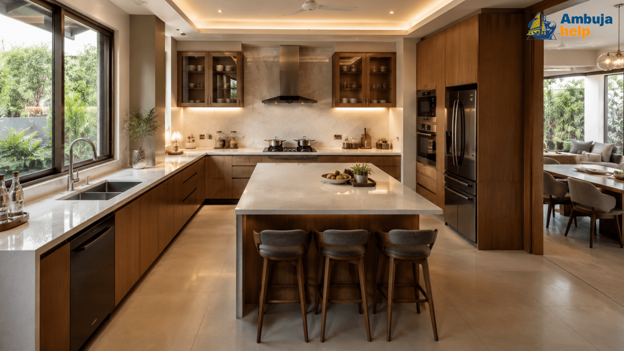
| Kitchen | South-east | Away from bedrooms, gets morning light |
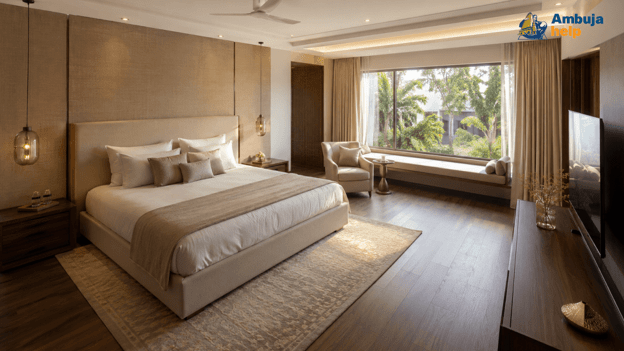
| Master bedroom | South-west | Quiet and cooler, good for rest |
| Children’s / guest room | West or north | Balanced light, less heat |
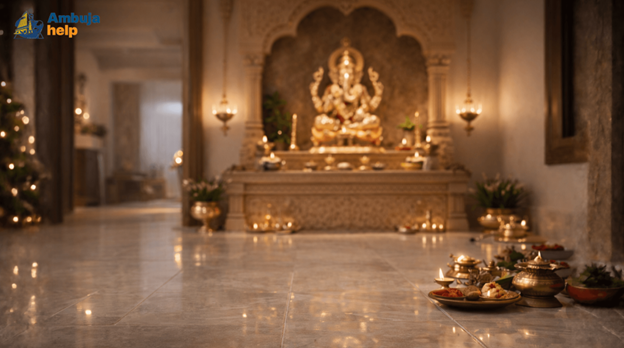
| Pooja room | North-east | Calm and undisturbed area |
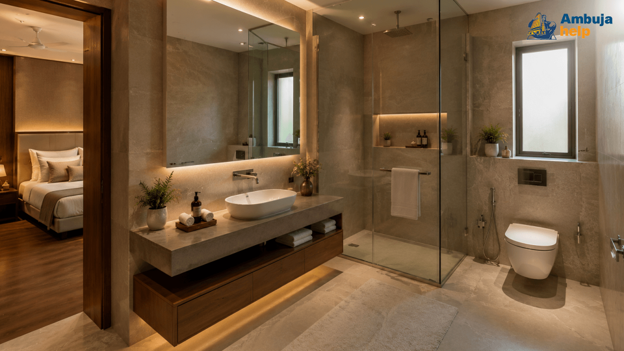
| Bathrooms | West or north-west | Away from the kitchen and main areas |
| Staircases | South or south-west | Keeps lighter zones open |
Ventilation and Open Spaces: The Overlooked Advantage
Vastu strongly focuses on open spaces and airflow. In modern terms, this is called passive design, i.e. homes that stay cool and airy without depending on ACs.
Here’s how you can follow both:
- Keep balconies or open spaces in the north and east
- Place windows on opposite walls for cross-ventilation
- Avoid blocking the centre of the house with heavy storage
- Design sit-outs or terraces towards the east
Homes built this way are cooler in summer, less damp in monsoon, and more energy-efficient overall.
Common Vastu Mistakes That Are Also Design Mistakes
Some Vastu rules may sound traditional, but they often reflect practical design logic.
| What to Avoid | Vastu Reason | Structural / Design Reason |
|---|---|---|
| Kitchen or bathroom in the north-east | Disrupts energy flow | Blocks light and airflow |
| Staircase in the north-east | Blocks positive energy | Loads the lightest area |
| Water tanks at the centre | Causes imbalance | Affects structural balance |
| Irregular plots | Energy imbalance | Wastes space, harder to build |
| Mirrors opposite the entrance | Reflects energy away | Creates visual confusion |
Materials Matter: Strength Comes First
A well-planned home is only as good as the materials used. Even if your layout is perfect, poor-quality materials can lead to cracks, dampness, and long-term issues.
Here’s a simple guide:
| Material Decision | What to Look For | Why It Matters |
|---|---|---|
| Cement grade | OPC 53 or PPC | Ensures strength and durability |
| Water resistance | Waterproof variants | Prevents seepage |
| Workability | Smooth application | Better finishing |
| Curing time | Proper setting time | Stronger walls and slabs |
When choosing materials, don’t just focus on the price. A slightly higher cost for premium cement often means better durability and fewer repairs later.
Also, always buy from a trusted cement dealership. A reliable dealer ensures you get genuine products and consistent quality across your construction.
Thinking About Cement Price the Right Way
Many homeowners try to cut costs by choosing products with the lowest cement price. While this may save money upfront, it can lead to expensive repairs later.
Here’s a better way to think about it:
| Approach | Short-Term Impact | Long-Term Impact |
|---|---|---|
| Cheapest cement option | Lower upfront cost | More repairs and maintenance |
| Quality cement | Slightly higher cost | Longer-lasting structure |
| Buying from an authorised cement dealership | Better pricing in bulk | Consistent quality |
A Simple Checklist Before You Build
Before finalising your home plan, make sure you:
- Choose a north or east-facing plot
- Plan the room layout based on both function and Vastu
- Keep the north-east corner open
- Ensure cross-ventilation
- Add open spaces in the right directions
- Select the right cement grade
- Buy materials from a trusted cement dealership
- Compare options beyond just the cement price
The Bottom Line
Vastu and modern construction are not opposites; they complement each other. And when you build a house that pays attention to light, airflow, and strong materials, you naturally create a home that feels better to live in.
The choices you make, from plot direction to material quality, add up over time. So take a balanced approach. Work with your architect, consider Vastu where it makes sense, and invest wisely in materials instead of focusing only on prices.
A well-built home isn’t just about walls and rooms. It’s about creating a space that supports your life every single day.
FAQ’s
Q.1 Which home design plans are best suited for Indian homes?
The best home design plans for Indian homes balance functionality and design preferences. Layouts that maximise natural light, ventilation, and efficient room placement work best. Combining modern house design planning with Vastu principles ensures homes stay comfortable year-round.
Q.2 What are the important house Vastu tips for happiness?
Key Vastu tips include keeping the north-east direction open, placing the entrance in the east or north, and ensuring proper room alignment. Good ventilation, natural light, and clutter-free spaces also contribute to a positive environment. These principles align with practical design, helping create a home that feels balanced, peaceful, and comfortable.
Q.3 How can Vastu and modern architecture work together?
Vastu and modern home designs complement each other by focusing on light, airflow, and spatial balance. While Vastu guides you about the placement of the rooms, modern design ensures efficiency and comfort. When combined thoughtfully, they create homes that are both practical and culturally aligned, improving livability without compromising on construction quality or aesthetics.
Q.4 Why is ventilation important in home design?
Proper ventilation helps regulate indoor temperature, reduce moisture, and improve air quality. Homes with cross-ventilation stay cooler in summer and are less damp during the monsoon. It also reduces dependence on artificial cooling systems, making the house more energy-efficient, healthier to live in, and better suited for India’s varied climate conditions.
Q.5 How should homeowners evaluate cement prices when building a house?
Instead of focusing only on the lowest cement price, homeowners should consider durability, strength, and long-term performance. High-quality cement may cost more initially, but it reduces repair and maintenance expenses.