How to Combine Modern Architecture with Traditional House Vastu Tips


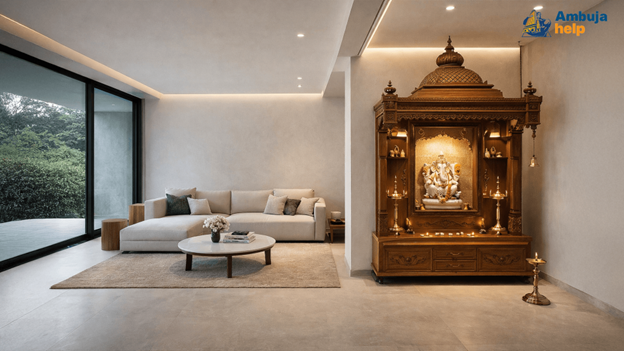
Table of Content
When it comes to planning a home in India, traditions still matter a lot. But at the same time, everyone brings their own vision and design preferences to the table, and that’s where things get tricky.
Blending modern architecture with traditional Vastu is not just possible; it’s becoming increasingly common. Today, many architects across India are creating homes that look completely contemporary on the outside while still following house Vastu instructions from inside. With the right approach, you can strike that perfect balance between style, functionality, and tradition and design a home that works for everyone.
First, Understand What Vastu Is Actually About
Vastu Shastra is often misunderstood as a set of rigid rules. But the fact is that it’s an ancient Indian science for designing Indian spaces that focuses on how a building's orientation, layout, and materials interact with natural elements like sunlight, air, and the earth's energy fields.
At its core, Vastu is about making a space feel right by maximising natural light, encouraging good airflow, and creating a sense of balance and calm.
Where Traditional Vastu and Modern Design Naturally Align
| Vastu Principle | Modern Architecture Equivalent |
|---|---|
| East-facing entrance for morning light | Orienting the main facade east for passive solar gain |
| Open northeast zone | Open-plan living areas with natural light |
| Symmetrical elevation for balance | Symmetrical facades for visual harmony |
| Natural materials (wood, stone) | Biophilic design using natural textures |
| Windows placed for cross-ventilation | Strategic window placement for air circulation |
| Courtyard or open centre | Atrium or central light well in modern homes |
Key Areas to Get Right
1. The Entrance In Vastu, the main door is the most important element of the home. As per Vasteu, an east or northeast-facing entrance is the most auspicious, as it welcomes morning sunlight and positive energy. In modern design terms, this also makes sense since east-facing entries are naturally well-lit in the mornings, reducing the need for artificial lighting and creating a welcoming first impression.
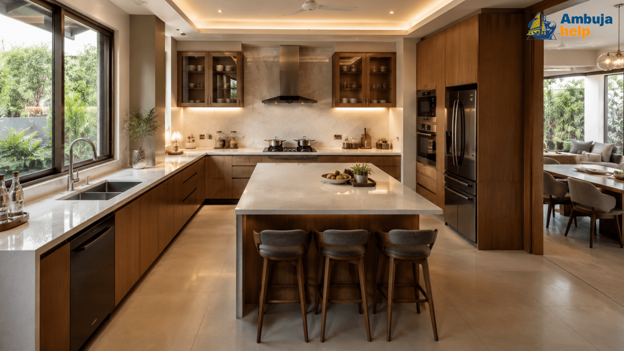
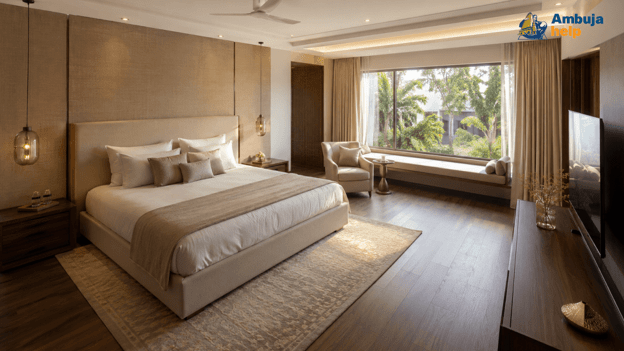
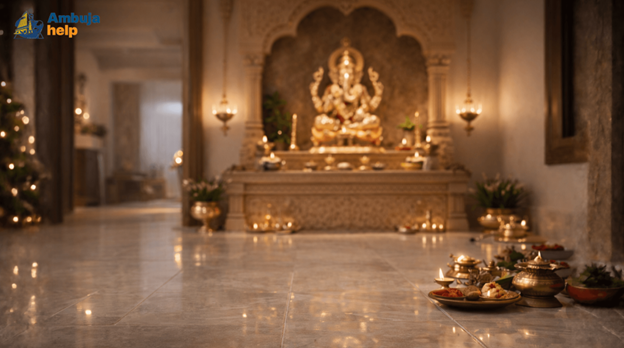
2. Room Placement: House Vastu guides specific directions for room placement. The kitchen goes in the southeast (the fire zone), the master bedroom in the southwest for stability, and study or prayer rooms in the northeast. Modern home plans can absolutely accommodate this. It simply requires thinking about the layout during the planning stage rather than forcing it later.
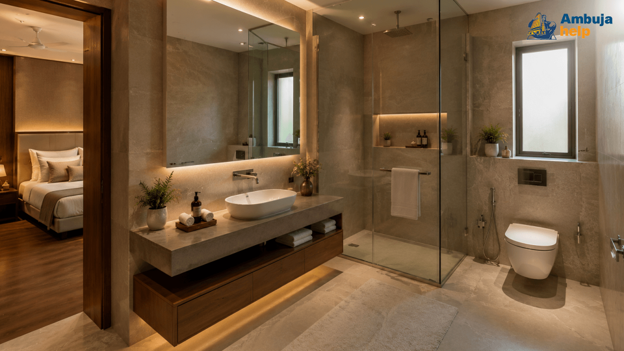
3. Materials and Surfaces: Another house vastu tip that never fails is to prioritise natural materials like stone, wood, and brick for their grounding qualities and energy balance. Conveniently, these materials are a part of modern architecture, which makes it easier for homeowners to add these elements to their home decor and construction.
4. Windows, Balconies, and Light: Large windows are a hallmark of modern homes. Vastu is equally enthusiastic about natural light; it simply cares about which direction the light comes from. North and east-facing windows and balconies on the north or east sides are the best directions for them. This is easy to plan for and barely constrains a modern design at all.
5. Symmetry and Proportion Vastu has always valued symmetrical elevations and proportionate spaces as expressions of stability and order. Modern minimalist design happens to share this aesthetic. A clean, symmetrical building with balanced proportions will satisfy both a Vastu consultant and a design-conscious homeowner without compromise.
Practical House Vastu Tips to Apply From Day One
- Fix the entrance orientation before finalising the plot layout
- Discuss room placement with your architect using a direction-specific brief
- Avoid irregular or L-shaped plots where possible. Vastu prefers square or rectangular proportions
- Keep the northeast corner of your home light and open
- Use natural materials for at least some exterior and interior surfaces
- Ensure the centre of the home (the Brahmasthan) remains open
Plan It Right the First Time
The easiest way to blend the house Vastu tip and modern home plans is to bring both into the conversation at the planning stage. Once walls are up, making changes is expensive and disturbing. Ambuja Cement's home-building resources, including budget calculators available on our website, help you plan construction accurately so you're not making compromises mid-build because the budget ran out.
A home that looks stunning and feels right to live in isn't a compromise. It's just good planning.
FAQ’s
Q.1 What are the important house Vastu tips for happiness?
Important Vastu tips include placing the entrance in the east or northeast, keeping the northeast corner open and clutter-free, and ensuring proper natural light and airflow. Balanced room placement and symmetry also help create a calm, positive environment, making the home feel more peaceful, comfortable, and harmonious for everyday living.
Q.2 What are the best house planning tips for new homeowners?
Start planning early by aligning your layout with both functionality and Vastu principles. Finalise plot orientation, entrance direction, and room placement before construction begins. Focus on ventilation, natural light, and material quality. Avoid random layouts and prioritise long-term durability to prevent costly changes.
Q.3 Can modern architecture follow Vastu principles?
Yes, house plans can easily follow Vastu principles. Many design elements like natural lighting, ventilation, symmetry, and open spaces already align with Vastu guidelines. By planning layouts carefully from the beginning, homeowners can create a house that looks contemporary while still maintaining traditional balance and positive energy flow.
Q.4 Why is entrance direction important in home design?
The entrance direction plays a key role in both Vastu and practical design. East or northeast-facing entrances allow morning sunlight to enter, creating a bright and welcoming atmosphere. This also reduces dependence on artificial lighting and improves energy efficiency, while supporting a sense of positivity and comfort in the home.
Q.5 How can homeowners balance design preferences with Vastu?
Homeowners can balance design and Vastu by involving architects and Vastu consultants during the planning stage. Instead of treating them separately, integrate direction-based layouts with modern aesthetics. Focus on flexible elements like room placement, lighting, and materials to achieve a home that is stylish, functional, and aligned with traditional principles.