Cement Work Done Wrong: Common On-Site Mistakes and How to Fix Them


Table of Content
Building a home is one of life’s biggest milestones, but for many families across India, it becomes a stressful journey because of small construction errors that snowball into long-term problems. Whether you’re constructing in a metro like Delhi or Bengaluru, or in smaller towns where on-ground practices vary widely, one truth remains consistent: quality begins on site. And the mistakes made during cement work are often the ones that cost the most to fix.
If you’re about to start building or your project is already underway, understanding these common errors can save you money, time, and a great deal of frustration. Many of these mistakes look minor at first, but compromise structural strength, durability, and safety in the long run.
Why On-Site Mistakes in Cementing Matter
Once a foundation or slab is cast, you can’t undo it easily. Poor mixing, low-quality materials, or rushed processes create weaknesses that appear years later as cracks, dampness, or even compromise the strength of the building. Fixing these issues post-construction often means expensive repairs, partial demolition, or long delays.
By being alert during key stages of cement work, homeowners can prevent most of these complications.
The Most Common Cementing Mistakes on Indian Construction Sites
Below are the errors frequently observed across different regions, along with how homeowners can fix or avoid them.
- Incorrect Water–Cement Ratio
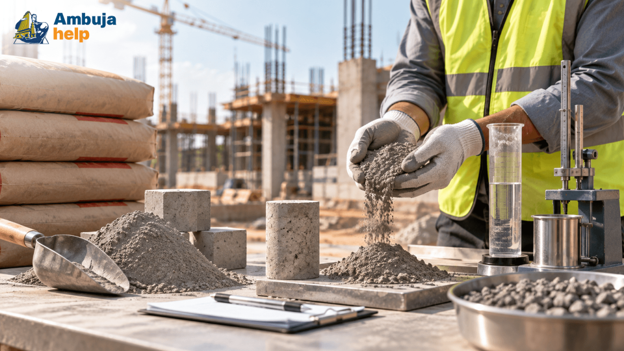
One of the biggest issues seen on-site is adding too much water to make mixing easier. Labourers often do this to speed up the process, but excess water weakens the mix, reduces durability, and leads to cracks.
How to fix it:
Use only the prescribed ratio recommended by your engineer. If needed, deploy measuring buckets so labourers don’t improvise. - Poor Mixing Technique
Hand-mixed concrete or mortar is common in small-scale construction, but uneven mixing leads to weak patches. Dry pockets of cement or inconsistent texture reduce overall bonding strength.
How to fix it:
Prefer machine mixing for all major structural components. For minor work, supervise hand mixing closely and ensure uniform blending of materials. - Using Low-Quality or Unverified Materials
In many projects, cost-cutting means making do with low-quality materials or compromising with cement storage. This compromises performance even when everything else is done right.
How to fix it:
Buy materials only from authorised dealers. For crucial constructions, homeowners can confidently rely on options like Ambuja Plus cement because consistency and reliability matter at this stage. - Inadequate Curing
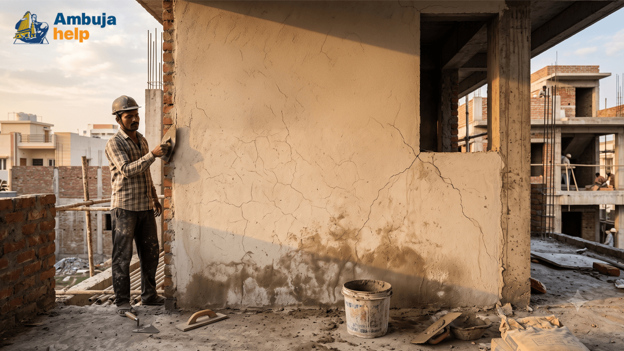
Curing is the most overlooked part of construction. Skipping curing or stopping it early leads to brittle surfaces, cracks, and loss of strength.
How to fix it:
Cure concrete surfaces for a minimum of 7 days (ideally 14). In hot regions like Rajasthan or Delhi, curing is even more critical due to fast evaporation. - Casting in Extreme Weather
Pouring concrete during heavy rains, extreme heat, or freezing temperatures weakens the mix. Monsoon casting in cities like Chennai or Kolkata often results in washed-out surfaces and water-logged foundations.
How to fix it:
Plan major casting between October and March. If unavoidable, use protective covers, proper drainage, and temperature-controlled curing. - Incorrect Shuttering or Formwork
If the shuttering isn’t level, properly braced, or tightly sealed, concrete can leak out during pouring. This leads to honeycombing, uneven beams, or bulging columns.
How to fix it:
Inspect formwork before pouring. Ensure all joints are tight and supports are stable. Even minor gaps can lead to big structural issues. - Rushing Through Work
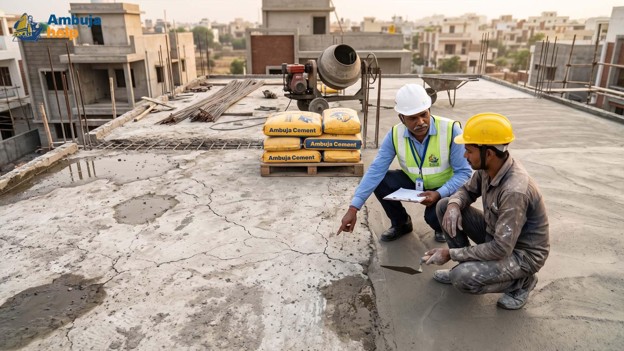
Deadlines often push contractors to pour concrete in a hurry or remove formwork earlier than recommended. This is one of the most damaging practices on Indian sites.
How to fix it:
Follow the engineer’s timeline strictly. Removing shuttering early or walking on uncured slabs causes microcracks that are invisible today but expensive tomorrow. - Lack of Regular On-Site Supervision
Many homeowners assume the contractor will “handle everything,” but unsupervised projects are where most shortcuts occur. A 20-minute weekly visit prevents problems that could cost lakhs in rework.
How to fix it:
Schedule periodic visits or hire a project manager. Ask for photo and video updates of every major stage of construction work.
Table: Quick Fixes for Common Cementing Errors
| Mistake | Consequences | Simple Fix |
|---|---|---|
| Excess water in the mix | Cracks, weak concrete | Use measured water ratios |
| Poor mixing | Uneven strength | Prefer machine mixing |
| Cheap materials | Dampness, failure | Use premium products like Ambuja Plus cement |
| Bad curing | Brittle surfaces | Cure for at least 7–14 days |
| Wrong weather casting | Washed-out concrete | Schedule during Oct–Mar |
| Weak shuttering | Honeycombing | Tighten and level formwork |
| Rushed work | Hidden cracks | Follow the engineer’s timeline |
How Homeowners Can Stay in Control
You don’t need to be a construction expert to ensure your home is built well. A few simple habits can keep you ahead of problems:
- Finalise drawings and structural plans before starting.
- Verify every invoice and material purchase.
- Avoid changing designs midway; each modification affects your budget.
- Maintain a checklist of approvals and certificates.
- Keep communication transparent between the contractor, architect, and engineer.
- Visit the site often; your presence discourages shortcuts.
Conclusion
The success of any home depends on disciplined execution on the ground. Many long-term issues like cracks, dampness, uneven flooring, and weak beams are not accidents but the direct result of common on-site mistakes. By staying attentive, planning the right season, supervising regularly, and choosing reliable materials, homeowners can avoid these pitfalls entirely.
Careful planning and responsible material selection, including dependable cement options like Ambuja Plus, ensure that every part of your home stands strong for decades. Because when the foundation is right, everything that follows becomes easier, safer, and more rewarding.