Why Does Cement Plaster Crack? Common Causes and Ways to Prevent It


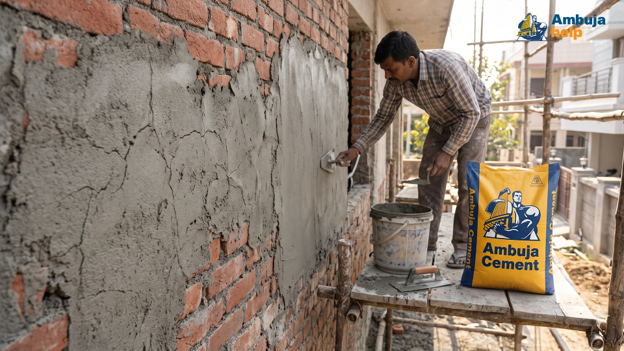
Table of Content
Cracks in plastered walls can affect the appearance of a home and may point to problems with the materials or plastering process. While some cracks develop as the plaster dries, others can result from poor surface preparation, incorrect mixing, or movement in the building.
The good news is that many plaster cracks can be prevented with the right cement material, careful application, and proper curing. Understanding these causes helps homeowners and builders create stronger, better-finished walls with fewer maintenance concerns.
Why Does Cement Plaster Crack?
Cement plaster creates a smooth, protective layer over brickwork and masonry. However, it needs the right mix, a suitable surface, and enough time to gain strength. If any of these conditions are missing, cracks may appear.
Here are five common reasons why this happens:
- Insufficient curing: Plaster needs moisture to develop strength. If it dries too quickly, shrinkage can cause cracks to form.
- Incorrect mix proportions: Too much water or an unsuitable cement-to-sand ratio can affect the plaster's strength and stability.
- Poor surface preparation: Dust, loose particles, or a dry wall can prevent the plaster from bonding properly.
- Environmental conditions: High temperatures, strong sunlight, and wind can cause plaster to dry too quickly.
- Building movement: Temperature changes, settlement, or movement between different materials can create stress that leads to cracks.
How to Prevent Cracks in Cement Plaster Walls
Preventing cracks starts before the plaster is applied. A few practical steps during construction can improve the finish and reduce the chances of future repairs.
1. Choose Quality Cement and Sand
The quality of the materials used for plastering affects its strength and workability. Choose fresh cement from a reliable manufacturer and clean, well-graded sand suitable for plastering. A good cement material selection supports better plaster performance, but the final result also depends on the mix, workmanship, and curing. Ambuja Cement offers products for different construction requirements, making it important to select the appropriate grade for the intended application.
2. Prepare the Wall Surface Properly
Before plastering, remove dust, grease, loose mortar, and other particles from the wall. The surface should be prepared to provide a good bond with the plaster.
- Dampen the masonry as required so it does not draw moisture too quickly from the fresh plaster.
- Repair loose sections and fill unsuitable gaps before application.
- Use the recommended surface preparation method for the type of masonry.
These steps help the plaster stick properly and reduce the risk of debonding and cracking.
3. Maintain the Correct Mix Ratio
The plaster mix should have the right proportions of cement, sand, and water. A mix that contains too much cement or water can increase shrinkage, while insufficient water can make the plaster difficult to apply and finish.
The suitable ratio depends on the plaster thickness, masonry type, and project specifications. Rather than following one ratio for every wall, use the mix recommended by the site engineer or applicable construction guidelines. Good-quality cement for construction works best when combined with suitable sand, controlled water content, and consistent mixing practices.
4. Apply Plaster Evenly
Uneven or excessively thick plaster can dry at different rates, increasing the likelihood of cracks. Apply the plaster at the specified thickness and avoid making a single layer unnecessarily thick. For thicker applications, follow the recommended layering procedure and allow sufficient setting time between coats. Proper workmanship helps create a uniform finish and reduces weak spots.
5. Cure the Plaster Correctly
Curing is one of the most important steps in preventing cracks. It helps maintain the moisture needed for cement to develop strength. Once the plaster has set properly, begin curing according to proper construction practices. This commonly involves keeping the surface suitably moist for at least seven days, although the exact requirements depend on the materials and site conditions. Avoid pouring too much water since it can in turn cause damage to the fresh plaster.
Common Plastering Mistakes and Their Solutions
| Common mistake | What can happen | How to prevent it |
|---|---|---|
| Adding excess water | Greater shrinkage and weaker plaster | Measure water carefully |
| Using dirty sand | Poor bonding and inconsistent strength | Use clean, suitable sand |
| Skipping curing | Early drying and surface cracks | Follow the recommended curing schedule |
| Applying plaster to a dusty wall | Weak adhesion or debonding | Clean and prepare the surface |
| Ignoring existing cracks | Cracks may return after repairs | Identify and address the underlying cause |
Can the Right Cement Help Reduce Plaster Cracks?
Choosing suitable cement is an important part of good plastering, but cement alone cannot guarantee crack-free walls. The mix design, sand quality, surface preparation, application, and curing process all affect the outcome.
Ambuja Plus is a Portland Pozzolana Cement (PPC) made using Special Performance Enhancer (SPE) technology. It is designed to support enhanced strength, increased density, and improved resistance to leakage in suitable applications. These properties are useful when selecting materials for a cement building, but plaster performance still depends on correct application and site practices.
Where moisture is a concern, suitable water-resistant cement or compatible protective systems may be considered according to the project's requirements. However, water resistance does not replace proper curing, crack repair, or effective waterproofing where needed.
How to Identify and Repair Plaster Cracks
Not every crack indicates a serious structural problem. Fine surface cracks may result from drying shrinkage, while wider or recurring cracks may need closer inspection.
- Fine hairline cracks: Monitor them and use a suitable repair method if needed.
- Cracks near doors and windows: Check whether stress is developing around openings or junctions.
- Wide, growing, or recurring cracks: Ask a qualified professional to assess the cause before repairing the surface.
- Cracks with damp patches: Investigate possible leakage or water entry and address the source.
Simply painting over a crack may hide it temporarily without resolving the problem. Repair the cause first, then use compatible repair materials and finishes.
Build Better Walls with the Right Practices
Long-lasting plaster depends on more than the choice of cement. Clean materials, proper mixing, a well-prepared surface, even application, and careful curing all help reduce cracks and maintenance needs.
Selecting suitable cement building materials from a trusted source such as Ambuja Cement is one part of this process. When planning a cement building, combining quality materials with sound construction practices helps create stronger walls and a better finish over time.
Frequently Asked Questions
Q1. Why do cement plaster walls develop cracks?
Cement plaster walls may crack due to improper curing, incorrect mix proportions, poor surface preparation, or rapid drying. Building movement can also cause cracks. Using suitable cement from Ambuja Cement and following proper plastering practices helps improve wall durability.
Q2. How can cracks in cement plaster be prevented?
Prevent plaster cracks by preparing the wall properly, using clean sand, maintaining suitable mix proportions, applying plaster evenly, and following the recommended curing process. Ambuja Cement provides options for different construction needs, but correct workmanship remains essential for lasting results.
Q3. Does the quality of cement affect plaster cracking?
Yes, cement quality can influence plaster strength and performance. However, even good-quality cement may crack if mixing, application, or curing is poor. Choosing suitable Ambuja Cement products and following recommended construction practices can help reduce avoidable plaster problems.
Q4. Can Ambuja Plus be used for plastering?
Ambuja Plus is a Portland Pozzolana Cement made using Special Performance Enhancer technology. Before selecting it for plastering, check its suitability against project requirements and product recommendations. Proper mix proportions, surface preparation, and curing remain important for a durable finish.
Q5. Should all plaster cracks be repaired immediately?
Fine hairline cracks may result from drying shrinkage, while wide, growing, or recurring cracks may indicate deeper problems. Identify the cause before repairing the surface. For significant cracks, consult a qualified professional instead of simply covering them with paint.