Why Co-Living Spaces Are Becoming the Preferred Choice for Millennials and Gen Z


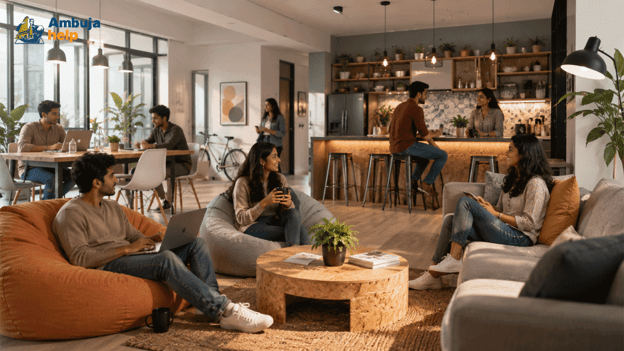
Table of Content
Finding the right place to live is one of the greatest concerts for students and bachelors travelling outstation for education and work purposes. While traditional paying guests (PGs), hostels, and rented apartments have long been the default options, they often come with challenges such as lengthy lease agreements, brokerage charges, limited amenities, and improper living conditions.
Millennials, as a generation, value convenience, flexibility, safety, and a sense of community just as much as affordability. This shift in expectations has led to the rapid rise of co-living spaces in India, offering alternative accommodation designed to match fast-paced urban lifestyles.
Let's explore why co-living has become one of the fastest-growing accommodation choices among millennials and Gen Z.
The Rise of Co-Living in Modern Cities
With the steady progress in the quality of higher education and jobs in key urban cities, more and more millennials are moving to the city to leverage these opportunities for better future prospects.
This growing demand for flexible housing has influenced residential real estate trends, encouraging developers and operators to create living spaces that prioritize comfort, convenience, and community.
Unlike conventional rentals, co-living combines private accommodation with shared facilities and professionally managed services. Residents can move in quickly without worrying about furniture, maintenance, or managing multiple utility bills.
Why Millennials and Gen Z Prefer Co-Living
Several factors make co-living an attractive option for today's young population.
1. Fully Equipped Living Experience
One of the biggest advantages of co-living is the range of amenities included within the monthly rent. Instead of spending separately on furniture, internet, housekeeping, or meals, residents enjoy ready-to-use facilities that simplify everyday life.
| Common Amenities | Benefits |
|---|---|
| Fully furnished rooms | Immediate move-in convenience |
| Housekeeping | Saves time and effort |
| Home-style meals | Reduces daily cooking responsibilities |
| Laundry facilities | Adds everyday convenience |
| High-speed Wi-Fi | Supports work and studies |
| Gym and recreation areas | Encourages healthy living |
Greater Flexibility Than Traditional Rentals
Conventional rental agreements often require tenants to commit to leases lasting 11 months or more. They may also involve substantial security deposits and brokerage fees. Co-living accommodation offers a much more flexible approach by providing:
- Short-term and long-term stay options
- Single and shared occupancy rooms
- Minimal paperwork
- Faster move-in process
This flexibility makes relocation much easier, especially for interns, project-based employees, and students who may not know how long they plan to stay in a city.
Technology-Enabled Safety and Convenience
Digital-first lifestyles have shaped what young people expect from their living spaces. Most modern co-living properties are equipped with advanced security systems such as:
- Biometric access
- CCTV surveillance
- Digital visitor management
- High-speed internet connectivity
- App-based maintenance requests
These features improve both convenience and security, making co-living especially attractive for individuals relocating away from their families for the first time.
Recreation Beyond Just Accommodation
A home today is expected to offer much more than just a place to sleep. Many co-living spaces include shared recreational spaces where residents can relax after work or classes.
Some commonly available facilities include:
| Recreation Facilities | Purpose |
|---|---|
| TV lounges | Entertainment and relaxation |
| Indoor games | Social interaction |
| Fitness centres | Health and wellness |
| Community halls | Events and celebrations |
| Reading areas | Quiet study and work |
These shared spaces encourage a healthy balance between personal privacy and social interaction.
Opportunities to Build Meaningful Connections
Moving to a new city can often feel overwhelming. One of the biggest advantages of co-living spaces in India is the opportunity to meet people with similar lifestyles and career aspirations.
Residents frequently interact through:
- Community events
- Festival celebrations
- Networking sessions
- Group activities
- Shared recreational facilities
These interactions help newcomers settle into unfamiliar cities while building friendships and professional connections that may last well beyond their stay.
Hassle-Free Booking Without Middlemen
Finding rental accommodation traditionally involves brokers, multiple property visits, and lengthy negotiations. Co-living operators simplify the entire process by allowing prospective residents to:
- Browse properties online
- Compare amenities
- Select preferred room types
- Schedule property visits
- Complete bookings digitally
This transparent approach saves both time and money while eliminating unnecessary brokerage expenses.
Inclusive Living Options
Modern co-living communities are also evolving to become more inclusive. Many operators offer accommodation options suitable for:
- Students
- Working professionals
- Women-only residences
- Unisex properties
- Couples (where permitted)
This inclusive approach reflects changing lifestyles and continues to influence emerging residential real estate trends, where flexibility and resident preferences are becoming central to housing design.
How Co-Living is Influencing Urban Housing
The growing popularity of co-living is transforming the way residential developments are planned across India's major cities. Developers are increasingly focusing on:
| Changing Housing Demand | Industry Response |
|---|---|
| Flexible occupancy | Modular room layouts |
| Community living | Shared common spaces |
| Digital convenience | Smart building technologies |
| Better amenities | Integrated lifestyle facilities |
| Sustainable operations | Efficient building design |
As this segment grows, quality construction becomes increasingly important. Durable buildings, reliable infrastructure, and moisture-resistant construction contribute significantly to long-lasting residential projects.
This is where trusted construction materials make a meaningful difference. Premium cement manufacturers like Ambuja support the construction ecosystem by providing high-quality cement raw materials that contribute to stronger, more durable residential developments.
The Future of Co-Living
Changing lifestyles, increasing urban migration, and evolving work cultures suggest that co-living is far more than a passing trend.
Young professionals increasingly value experiences over ownership, making flexible accommodation a practical solution. Similarly, students appreciate professionally managed housing that allows them to focus on academics rather than day-to-day maintenance.
As cities continue expanding and housing needs evolve, co-living spaces in India are expected to play an even larger role in meeting the demands of modern urban residents.
Conclusion
The way people choose accommodation has changed dramatically over the past few years. Convenience, flexibility, safety, affordability, and community have become essential considerations for millennials and Gen Z.
Co-living successfully combines all these aspects into a single living experience, making it an attractive alternative to traditional PGs, hostels, and rental apartments. As India's urban housing landscape continues to evolve, co-living is shaping the future of modern accommodation by offering practical solutions that align with contemporary lifestyles.
Behind every well-designed residential project lies quality construction, and dependable building materials remain the foundation of safe and durable living environments. Trusted brands like Ambuja Cement continue to support this vision by supplying premium-quality cement raw materials that contribute to long-lasting residential infrastructure.
Frequently Asked Questions
Q1. Why are co-living spaces becoming popular among millennials and Gen Z?
Co-living spaces offer furnished rooms, flexible stays, modern amenities, and a sense of community. They make city living more convenient and affordable for students and young professionals.
Q2. How are co-living spaces different from traditional PGs or rented apartments?
Unlike traditional rentals, co-living spaces usually include furniture, Wi-Fi, housekeeping, and maintenance in one package, with flexible agreements and minimal paperwork.
Q3. What features should I look for before choosing a co-living space?
Check for safety measures, cleanliness, internet connectivity, maintenance services, common facilities, location, and the quality of the building to ensure a comfortable stay.
Q4. Why is the quality of construction important in co-living spaces?
Well-built properties offer better safety, durability, and resistance to issues like dampness and cracks. Quality construction also helps reduce maintenance and improves the overall living experience.
Q5. How does Ambuja Cement contribute to durable residential projects?
Ambuja Cement supplies premium-quality cement that supports strong, durable, and reliable construction, helping developers build residential spaces designed for long-term performance and comfort.